











How to choose the right guide for your job
Start with the job in front of you. A small office in White River has different cooling needs to a restaurant in Rustenburg, and a server room in Mbombela needs a very different approach again. Some guides focus on buying decisions, others on installation planning, and a few cover day to day operation so you can avoid oversizing, under-sizing, or calling a crew out twice.
If you are still comparing unit types, look for the guide that matches the space, the power supply, and the expected use hours. That way you get practical advice before you spend on the unit, the copper line set, or the mounting work. It saves time and usually a fair bit of money too.
Buying advice for trade customers and property owners
Our buying guides help you weigh up wall splits, cassette units and portable units without guesswork. They cover room size, ceiling height, occupancy, heat gain from glass or kitchen equipment, and whether the site can handle the electrical load. In the Lowveld, heat and humidity can push a unit hard, while in the North West dust and summer heat bring a different set of concerns.
- Check room size in square metres, but also look at people flow and direct sun.
- Confirm where condensate can drain and whether the site allows for it.
- Plan for local supply issues and load-shedding backup where needed.
- Allow for safe access to filters and panels so servicing is not a fight later.
These guides are especially useful when a client needs a straight answer on what to buy, not a long sales pitch. They keep the focus on fit for purpose, and help avoid buying a unit that is cheap up front but costly to run.
Installation planning that avoids rework
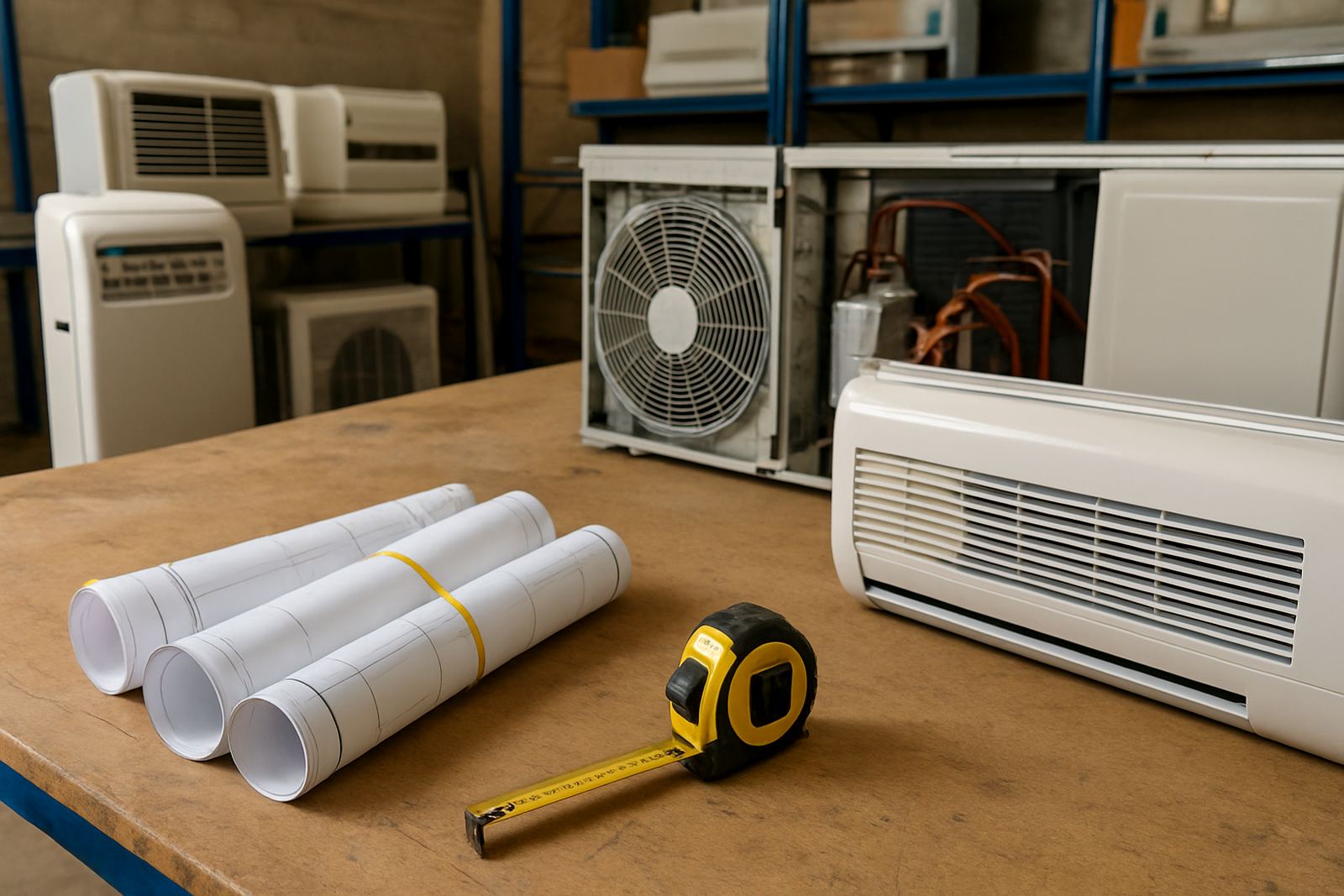
Installation is where many jobs go wrong, so our planning guides focus on the details that matter on site. That includes wall strength, outside unit position, pipe runs, cable routes, drainage, and how to place units so the airflow actually reaches the occupied area. A neat install is not just about appearance, it is about service life and lower call-backs.
For new builds and replacements, the guide also helps you think through timing with the builder or tenant. If a ceiling is closing up next week, or if the landlord wants minimal downtime, those dates change the job plan. In areas with coastal humidity or heavy afternoon storms, proper fixings and weather protection matter even more.
- Confirm the mounting point before the final finishes go in.
- Allow enough clearance for cleaning and future maintenance.
- Keep pipework lengths within the unit limits where possible.
- Make sure the site has a safe isolator and correct protection on the circuit.
Servicing, gas top-ups and fault finding
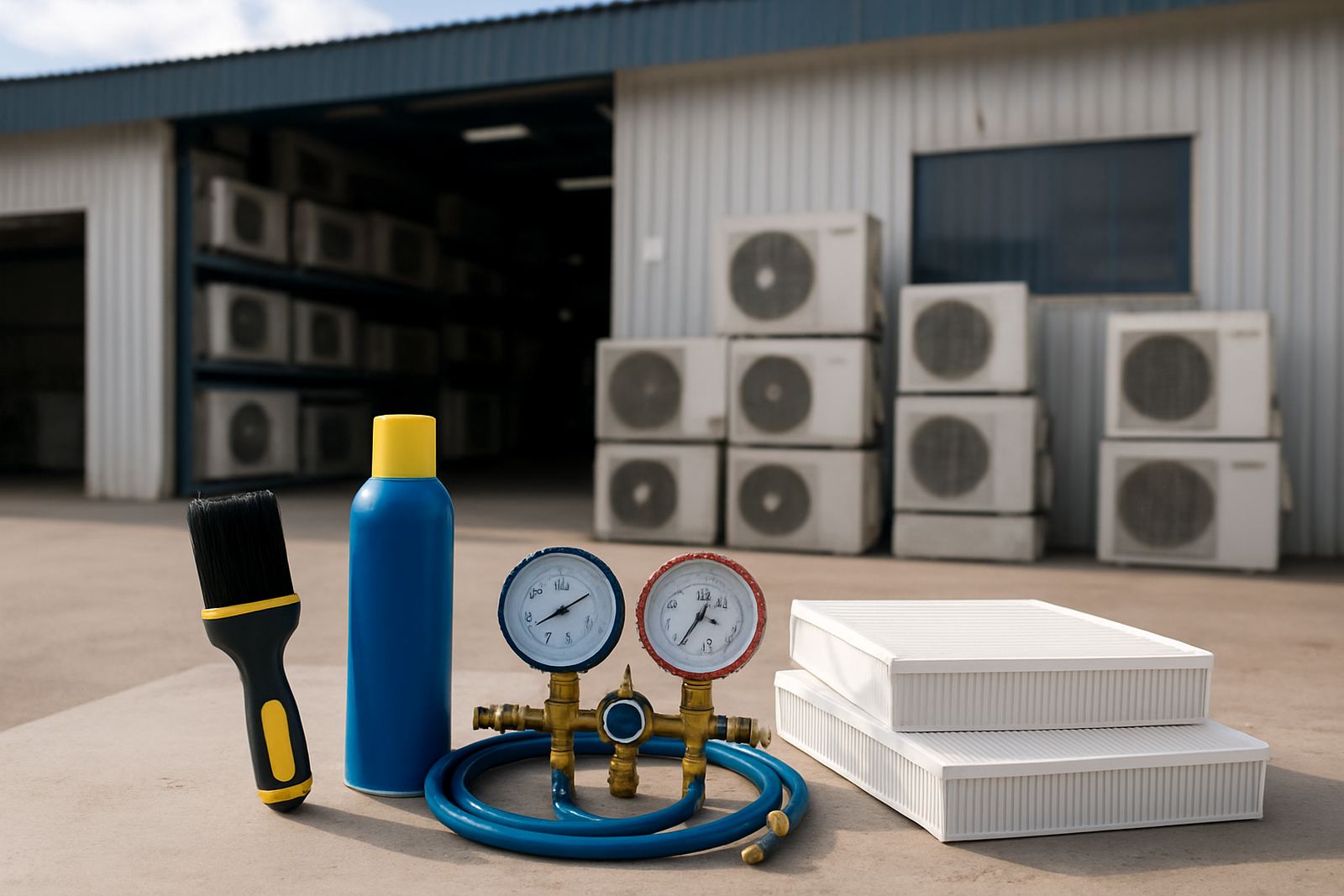
Some guides deal with the practical side of keeping systems running after the install. That includes scheduled servicing, deep cleaning, fault finding and gas top-ups when needed. If a unit is running all day in an office, shop or lodge, filters and coils can load up fast, and performance drops before people realise what is happening.
We also cover the warning signs that usually point to bigger trouble: weak airflow, icing, strange smells, water dripping indoors, or a unit that cycles on and off too often. A quick check can often separate a simple maintenance issue from a fault that needs proper repair. It is better to catch it early than to lose a full afternoon of cooling when clients or staff are on site.
Working with municipal rules and building limits
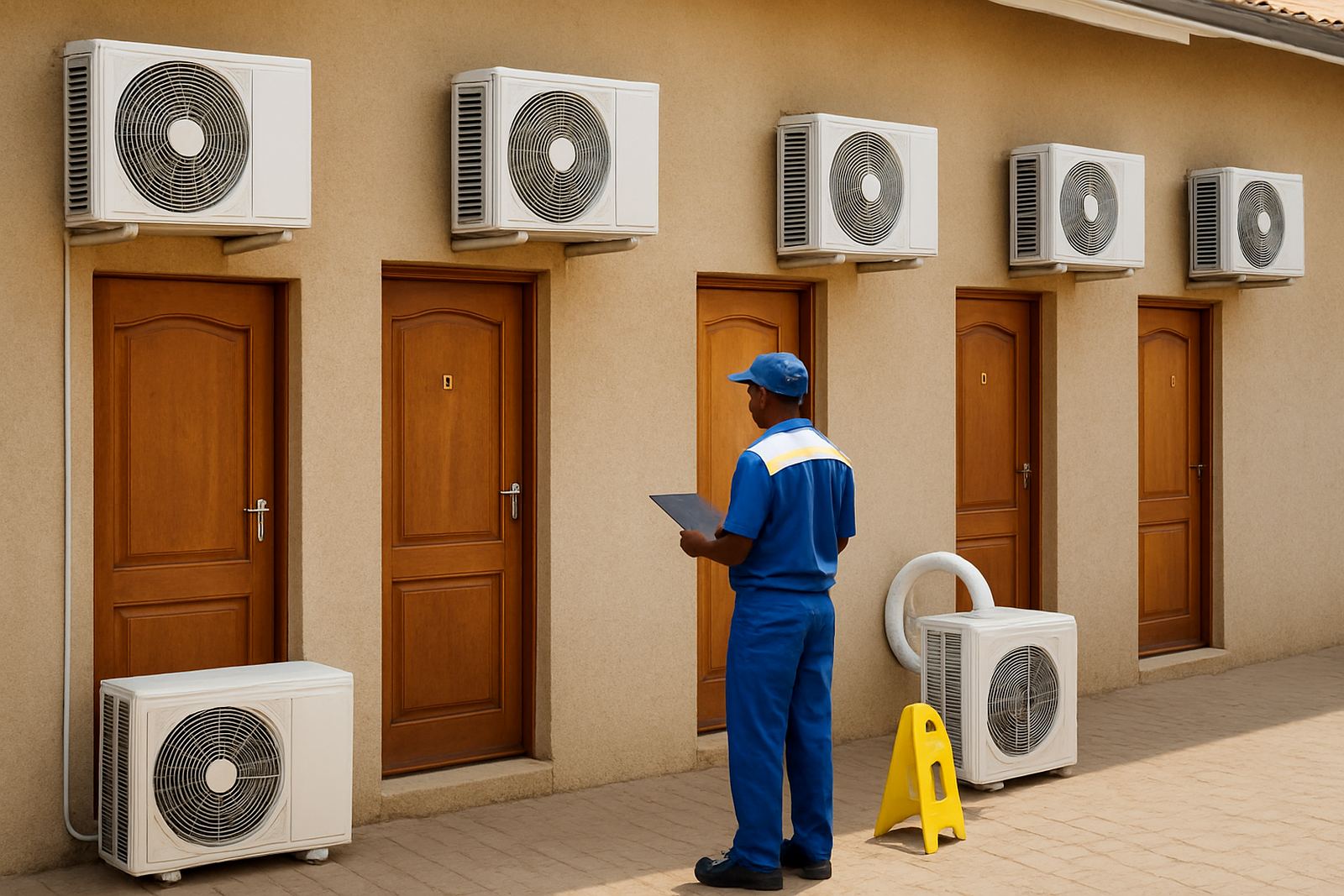
In Mbombela, Klerksdorp, Potchefstroom and Rustenburg, site rules can affect where and how air conditioning is fitted. Some properties need landlord approval, some require noise consideration for neighbours, and some sites have basic access rules for contractors. If you are working in an office park, school, clinic or retail centre, it pays to check those conditions before the work starts.
Drain discharge, mounting positions and outside unit placement should also be checked against the site's local requirements. A guide cannot replace an inspection, but it can help you ask the right questions before you commit. That means fewer delays and fewer surprises when the installer arrives.
Use the guides as a practical shortlist
The best way to use this hub is to read the guide that matches your project stage, then move to the next step once the basics are clear. If you are only comparing products, stay with buying advice. If the site is already measured, go straight to installation planning. If the system is in service and not performing well, start with servicing or fault-finding guidance.
Aircon Warehouse is based in Mbombela and covers the Lowveld plus North West, including White River, Hazyview, Klerksdorp, Potchefstroom and Rustenburg. That local coverage matters because site conditions differ quite a lot between towns. The aim is simple: give you the kind of guidance that helps before, during and after the job, without fluff or guesswork.
- Buying guides for spec checks and budget planning.
- Installation guides for new work and replacements.
- Service guides for care, cleaning and troubleshooting.