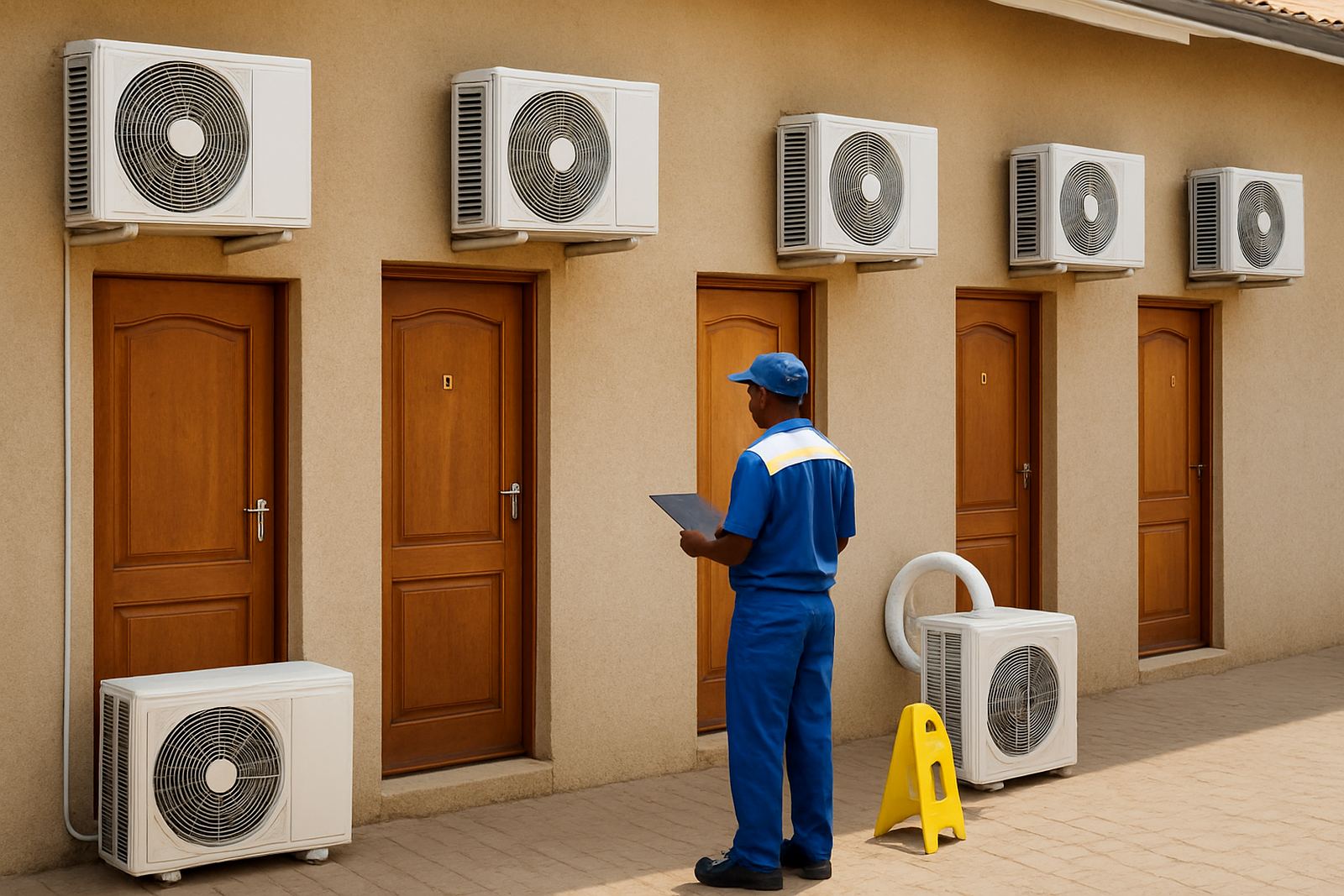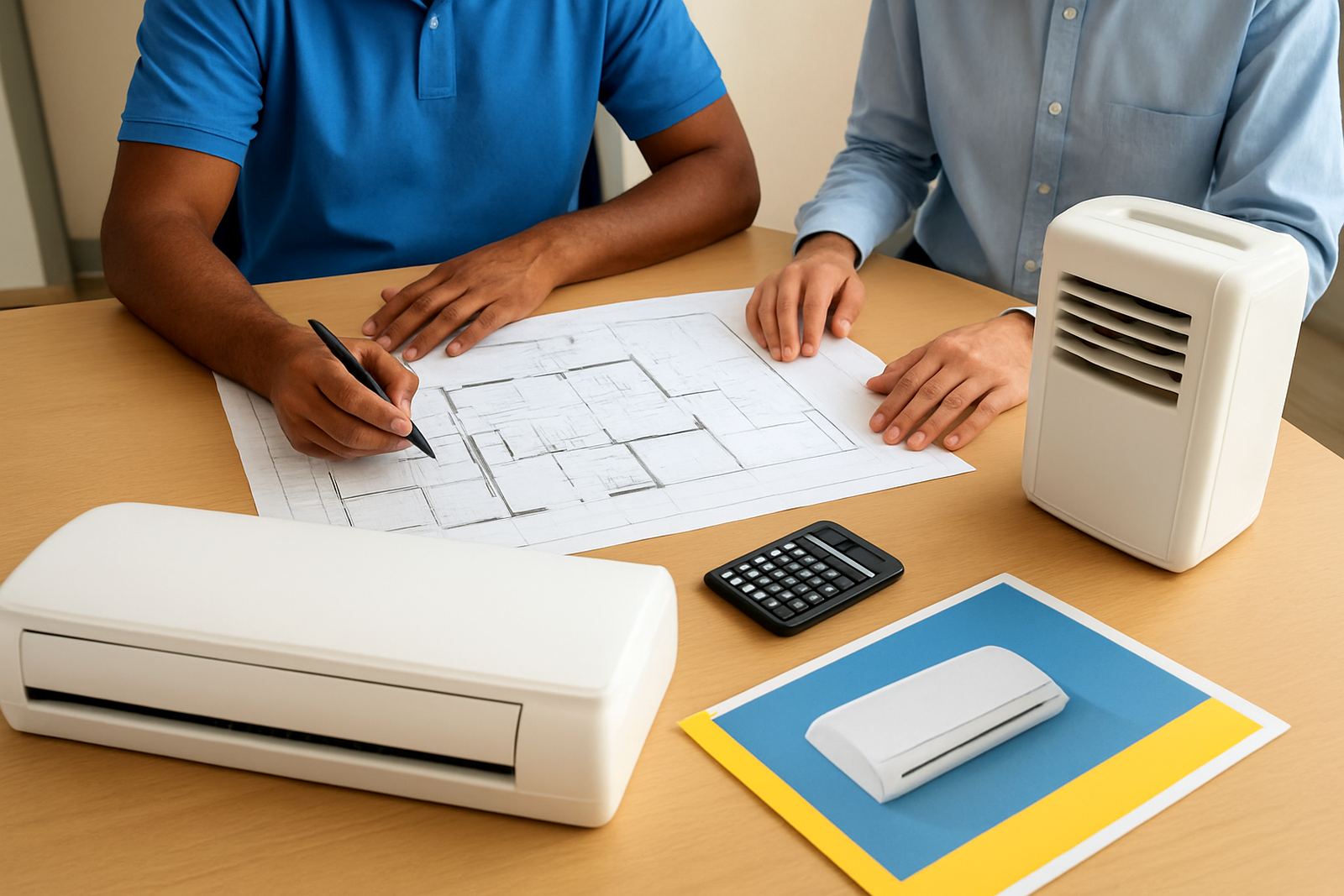
Start with the room, not the thermostat
An air-conditioner works best when the room is suited to the load. In the Lowveld and North West, heat build-up from west-facing walls, tin roofs and large glass areas can push a unit to work harder than it should. Before you change settings, check whether the room itself is helping or fighting the cooling.
Simple setup choices can lower energy use from day one. A correctly sized unit, good insulation and sensible airflow often save more than simply turning the temperature down. If the room keeps overheating at midday, the issue may be placement, shading or an undersized unit rather than the machine itself.
- Close gaps around windows and doors.
- Use blinds or curtains on direct sun-facing windows.
- Keep heat-making appliances away from the air stream.
- Make sure ceiling insulation is in place where possible.
- Check that the indoor unit is not blowing straight at a wall or beam.
Choose the right unit type for the space
Different rooms need different solutions. Wall splits suit bedrooms, offices and smaller living areas. Cassettes work well in open-plan spaces, shops and boardrooms where air must spread evenly. Portable units can help where permanent fitment is not allowed, but they are usually less efficient because warm air has to be vented out and the hose can leak heat back into the room.
For homes and businesses in Mbombela, White River, Hazyview, Klerksdorp and Rustenburg, the right match between room size and unit output matters. Too small, and the machine runs flat out. Too big, and it cycles on and off too often, which wastes power and can leave the room damp or unevenly cooled.
- Use wall splits for bedrooms, small offices and private consulting rooms.
- Use cassettes for open-plan retail, meeting areas and dining rooms.
- Use portables only where fixed units are not practical.
- Ask for a site assessment before buying for a new room or extension.
- Check ceiling height, roof type and window size before selecting a capacity.
Set temperatures that save money without making people sweat
A common mistake is setting the unit far colder than needed. Every extra degree below a reasonable comfort level increases running cost. In most offices, shops and homes, a steady setting in the low twenties is usually more economical than dropping the temperature right down and then letting the room swing hot and cold.
Fans help the room feel cooler without forcing the air-conditioner to carry the full job alone. In humid places like Mbombela and Hazyview, dehumidification is also important, so do not switch the system on and off every few minutes. Short bursts of use can use more electricity than a stable setting left to do proper work.
- Keep the temperature steady instead of changing it every few minutes.
- Use fan mode when you only need light air movement.
- Do not cool empty rooms for long periods.
- Switch off earlier in the day if a room is no longer occupied.
- In humid weather, allow the unit time to remove moisture properly.
Keep filters, coils and drains in working order
A dirty unit uses more power because air cannot move through it properly. Blocked filters, dusty coils and poor drainage all make the compressor work harder. In coastal-style humidity, and in dusty inland areas too, this builds up faster than many people expect. A light clean every few weeks can save money and reduce breakdowns.
Scheduled servicing is worth it for homes, lodges, offices and shops, especially where the units run most days. If a unit smells musty, drips water or starts taking longer to cool, do not leave it until peak summer. Small faults can turn into costly repairs, and in some cases the system will use extra power long before it stops cooling completely.
- Wash or clean filters regularly according to the room use.
- Check for water dripping from the indoor unit.
- Look for dust build-up on the indoor and outdoor fins.
- Keep the outdoor unit clear of leaves, grass and packing boxes.
- Book fault finding if the unit is noisy, weak or cycling oddly.
Use timers and daily routines to cut waste
One of the easiest ways to save is to stop cooling when nobody needs it. Timers, occupancy routines and simple opening and closing habits make a real difference. A shop that opens at 08:00 does not need the system running from sunrise, and a bedroom does not need full cooling all night if a timer can trim the run time after midnight.
For businesses in Potchefstroom, Klerksdorp and Rustenburg, load-shedding planning also matters. It can help to switch units off before power returns, then restart them one at a time to avoid a heavy start-up load. If you are using a generator or inverter, get the setup checked so you do not overload the system or waste fuel.
- Set timer on and timer off where the unit allows it.
- Close doors quickly so cooled air does not escape.
- Turn units off during lunch breaks if the room empties out.
- Stagger start times in larger premises.
- Plan for load-shedding so equipment is restarted in an orderly way.
Quick checklist before summer starts
A short pre-summer check can save a lot of trouble when temperatures climb. This is especially useful in the Lowveld where heat comes early and stays late. Go through the basics before the first real hot spell, and again if the unit has been idle for a few months.
If you are fitting a new system, replacing an old one or moving equipment between rooms, ask for a proper assessment first. Poor placement, the wrong capacity or a badly routed drain can push energy use up from the start. A good fit today is cheaper than correcting a bad fit later.
- Confirm the room size and use still suit the current unit.
- Check the outdoor unit has clear airflow around it.
- Inspect pipe runs, insulation and drain fall.
- Test the remote, timer and basic settings.
- Arrange deep cleaning and commissioning before peak season.
When it pays to replace instead of repair
Older units can become expensive to run, even if they still switch on. If the system needs frequent gas top-ups, struggles to cool at normal settings or breaks down every summer, replacement may be cheaper over time. Newer units are generally better at holding temperature and using less power for the same room size.
For trade customers and property owners across Mbombela, White River, Hazyview, Klerksdorp and nearby areas, the key question is not only repair cost but also monthly running cost. If the machine is old, noisy and hard to maintain, a replacement unit can be the practical choice. Speak to a team that can check the site, compare options and handle installation properly from the start.