Start with the warning signs that matter
Most aircon faults give a few early clues before they stop completely. In Mbombela, White River and Hazyview we often see units working harder in high heat and humidity, while in Klerksdorp, Potchefstroom and Rustenburg dust buildup and power fluctuations can show up first as weak cooling or odd noises.
If you catch the problem early, you may avoid a bigger repair or a full replacement unit. Look out for changes in airflow, temperature, smell, sound and power use. A unit that once cooled a room in 10 to 15 minutes but now takes much longer is already telling you something is not right.
- Airflow feels weak even on full fan speed
- Warm air comes out when cooling is selected
- Water drips from the indoor unit or down the wall
- The outdoor unit is running, but the room stays hot
- The breaker trips when the aircon starts
- There is a musty, burnt or chemical smell
- The unit starts, stops, then starts again
Quick checks you can do before booking a call-out
Do these checks before you log a fault. They take only a few minutes and can save a wasted call-out, especially when a unit has been off during load-shedding and the settings were changed by mistake.
- Check the remote batteries and confirm the mode is on cool, not fan or dry.
- Set the temperature to 18 to 22 degrees C and wait 10 minutes.
- Make sure doors and windows are closed in the room.
- Check that filters are not blocked with dust.
- Look outside and clear leaves, plastic or rubbish from the outdoor unit area.
- Check the DB board and reset only if you know the breaker tripped for a simple overload.
If the aircon improves after cleaning the filters or correcting the setting, the issue may be minor. If the unit still underperforms, keep using it only for short periods until it is checked. Running a faulting unit for days can damage the compressor, fan motor or control board, and that gets expensive fast.
What the most common faults may mean
Different symptoms point to different causes. A room that never cools properly may have low gas, restricted airflow, a failing fan motor or a unit that is too small for the room size. Water leaking indoors often points to a blocked drain, poor slope on the pipework, or icing on the coil that then melts through the casing.
Repeated tripping can mean an electrical fault, a compressor drawing too much current, or loose wiring. Strange smells are also worth acting on quickly. A dusty smell usually means dirty coils or filters, while a burnt smell can point to an electrical problem. In coastal humidity or after long periods of no use, mould and dust can build up inside the casing and spread through the room.
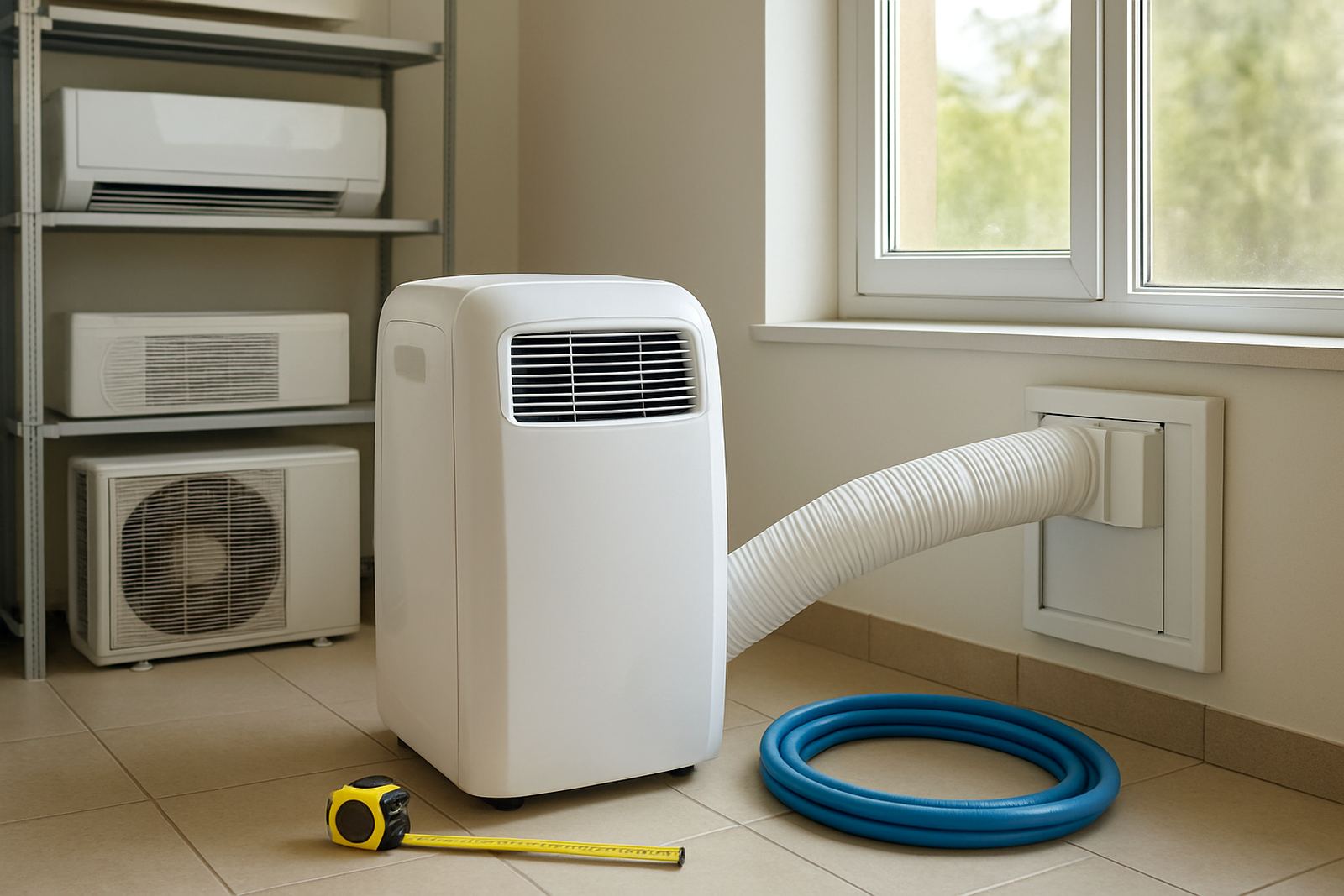
For cassette units, poor cooling may also come from blocked returns or the ceiling void not being clear enough for proper circulation. Portable units can struggle if the exhaust hose is loose, kinked or too long. That is common in small offices, shops and site cabins where the unit has been moved around.
Simple checks for wall splits, cassettes and portable units
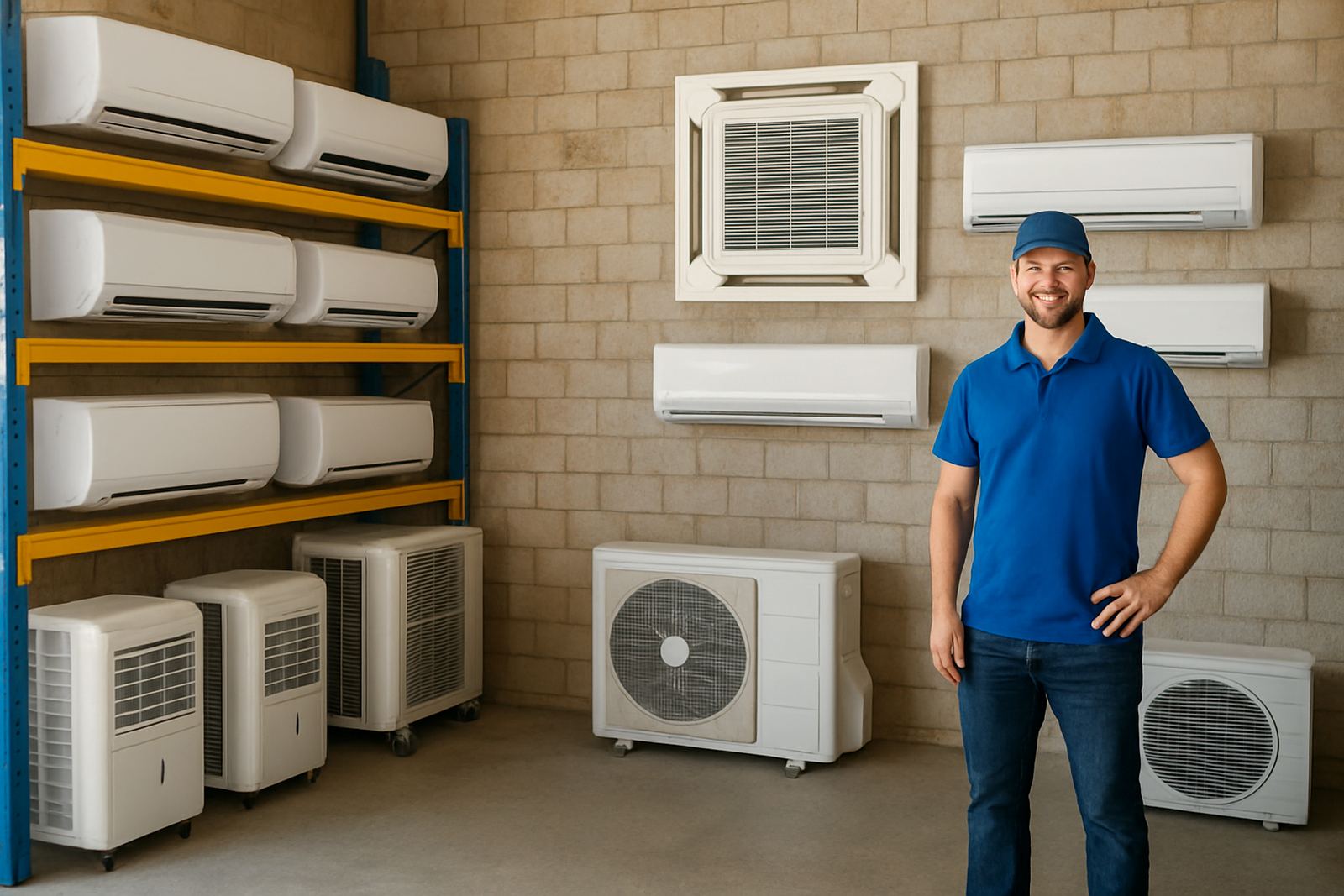
Each unit type has its own trouble spots. Knowing the basics helps you describe the fault properly when you call in support for Mbombela, Rustenburg or anywhere in between.
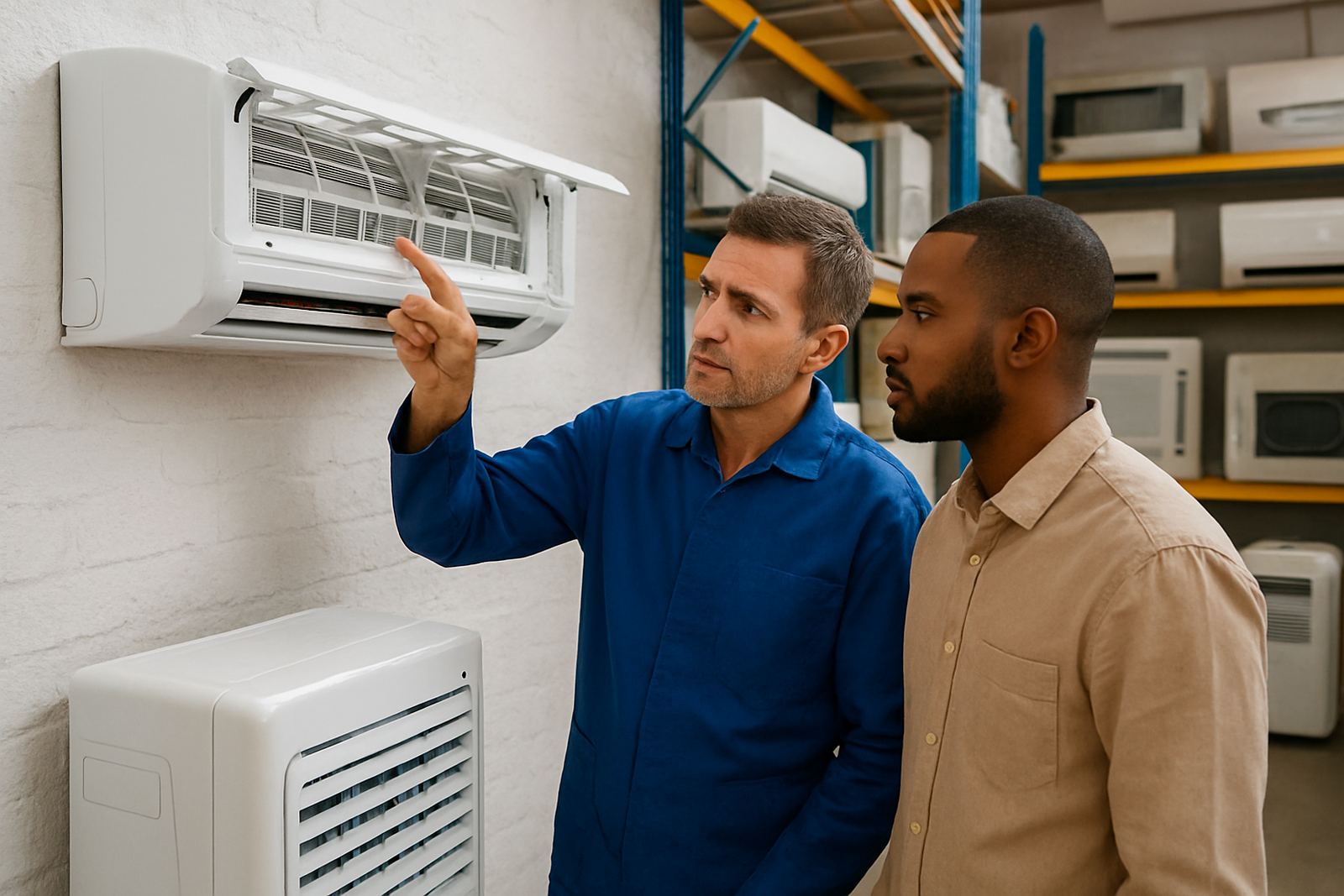
- Wall splits: check the indoor filters, confirm the outdoor unit is running, and listen for hissing, rattling or clicking.
- Cassettes: make sure all four airflow directions are clear and the ceiling panel is not clogged with dust.
- Portable units: confirm the hose is vented correctly and the water tank is not full.
- Any unit: check whether the problem started after a power cut, storm or heavy rain.
If the unit cycles on and off too quickly, the room may be too small, the thermostat may be sensing the wrong spot, or the system may be short on gas. If the indoor unit freezes up, switch it off and let it defrost before trying again. Do not chip away ice with a tool, because that can damage the coil.
When to stop troubleshooting and call a technician
Some issues need proper tools, gas handling and electrical testing. If you notice frequent breaker trips, frozen pipes, oily marks on fittings, loud grinding from the motor or a complete loss of cooling, it is time to book a call-out. Do not keep resetting the breaker or topping up gas without finding the leak first.
In the Lowveld, poor cooling during peak summer can quickly affect staff comfort and stock storage. In the North West, offices and shops often need steady cooling through long hot spells, so a small fault can become a daily nuisance. A site assessment may be the best next step if you are unsure whether the unit is undersized, badly positioned or simply overdue for servicing.
For replacement units, installation work, cassette fitment, scheduled servicing and system commissioning, it helps to have the make, model, room size and fault symptoms ready before the technician arrives.
Before the technician arrives, prepare this checklist
A few details make the visit faster and more accurate. If the unit is in a shop, office, home or factory space, make sure the area is accessible and the technician can reach the indoor and outdoor units safely.
- Unit type and size, if known
- Room size in square metres
- What the unit is doing now
- When the fault started
- Whether there was a power outage, storm or recent building work
- Any unusual sound, smell or visible leak
- Access to the DB board, roof space or outdoor bracket
Keep the aircon switched off if you suspect a leak, burnt smell or electrical fault. That protects the equipment and lowers the risk while you wait for service. Clear access also helps when the job needs servicing, deep cleaning or gas checks. A clean start usually means a quicker finish.