Start with the room, not the brochure
Retail cooling works best when you match the unit to the space, the stock and the way customers move through the shop. A clothing store in Mbombela with open doors all day has very different needs to a small office in Klerksdorp or a pharmacy in White River with glass frontage and only a few staff inside. Measure the room in square metres, note ceiling height and check where the sun hits the windows during the hottest part of the day.
Also think about heat from lighting, fridges, computers and people standing in queues. A unit that is fine in a quiet back office can struggle in a front shop with constant foot traffic. If the shop has a server, till point or stock room that stays closed off, that area may need its own unit rather than pushing one system to do everything.
- Measure the floor area in m2 and note the ceiling height.
- Count the number of people usually in the space at once.
- Check glass areas, west-facing walls and open doors.
- List heat sources such as fridges, lights and point-of-sale gear.
Choose the right unit type for the shop layout
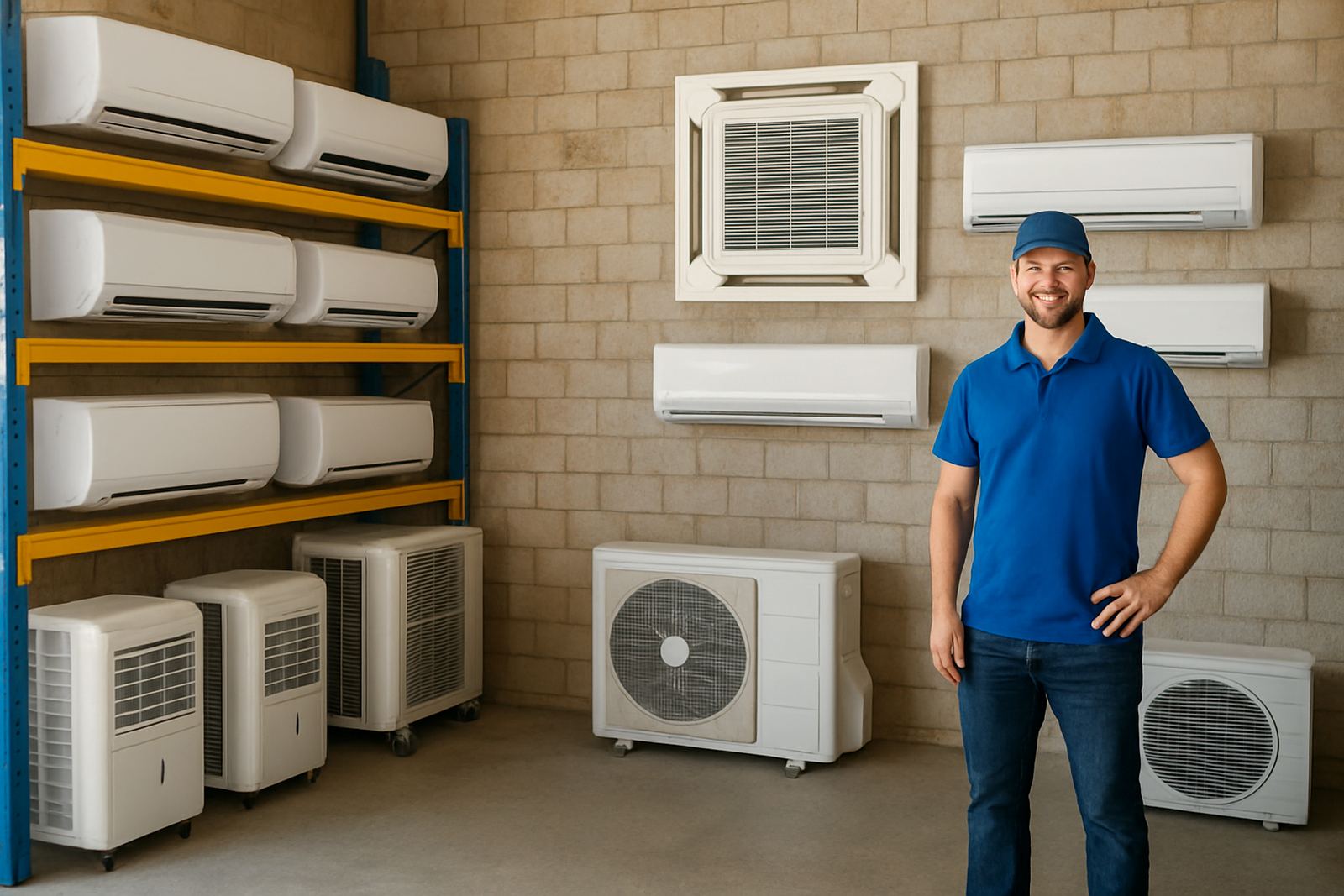
Wall split units suit many smaller shops because they are compact and simple to place above customer height. They work well for salons, travel agents, mini-markets and reception areas. Cassette units are better when you want air spread across a wider floor area and do not want a visible wall unit over the counter. Portable units can help in temporary setups or short-term overflow spaces, but they need good venting and are usually not the best answer for daily trading.
If you are fitting a new store in Potchefstroom or upgrading an older shop in Rustenburg, check whether the ceiling structure can take a cassette before you order one. In some older retail buildings, the ceiling space, drainage route and electrical supply decide what is practical. A quick site assessment saves a lot of rework later.
- Wall splits for smaller, narrow or room-by-room spaces.
- Cassettes for open-plan floors and more even air spread.
- Portable units for temporary or backup use only.
- Check drainage, ceiling space and power before ordering.
Place the unit so customers feel it, not the draught
Good cooling should make the shop feel steady, not blast cold air on one side and leave the other side hot. In customer-facing spaces, avoid placing the indoor unit directly above the queue, till point or seating area. The goal is even air movement across the room, with the strongest airflow over the main trading zone and not on staff who stand still for long periods.
Outdoor units need space too. Leave room for airflow, servicing and drainage, and keep them out of places where dust, packing material or security grilles will block the condenser. In the Lowveld, dust, humidity and summer rain can all affect performance, so a neat install matters. For shops near busy roads or delivery areas, make sure the unit is protected without trapping hot air around it.
- Keep indoor airflow away from tills, queues and seating.
- Leave clearance around the outdoor unit for servicing.
- Do not trap the condenser behind tight grilles or walls.
- Use proper drainage so water does not drip onto walkways.
Plan for load-shedding and daily trading hours
Retail spaces in South Africa have to cope with load-shedding, voltage swings and stop-start trading. A unit that looks fine on paper may still be a poor fit if the shop runs on a small backup supply or if the power in the area is unstable. Before installation, check what the electrical supply can handle and whether the unit will restart cleanly after an outage. Some shops only need cooling during trading hours, while others keep stock, staff and customers in the space all day, so the duty cycle matters.
If your shop is in Mbombela, Hazyview or rural parts of North West, think about how long the doors stay open during hot months and whether generators or backup systems already support lighting and tills. Cooling should not trip the supply every time the compressor starts. That is why proper commissioning and system setup are just as important as the unit itself.
- Check electrical capacity before fitting the new unit.
- Ask how the system restarts after an outage.
- Match the unit to the actual trading hours.
- Allow for generator or backup power limits if used.
Keep the shop comfortable without wasting power
Small retail spaces can waste a lot of money if the aircon runs harder than it should. Set the temperature to a practical level and keep doors, curtains or air curtains in good order where possible. If the shop has frequent door opening, a slightly higher setpoint may give steadier comfort than trying to force the room too cold. Good insulation on the roof space also helps more than many owners expect.
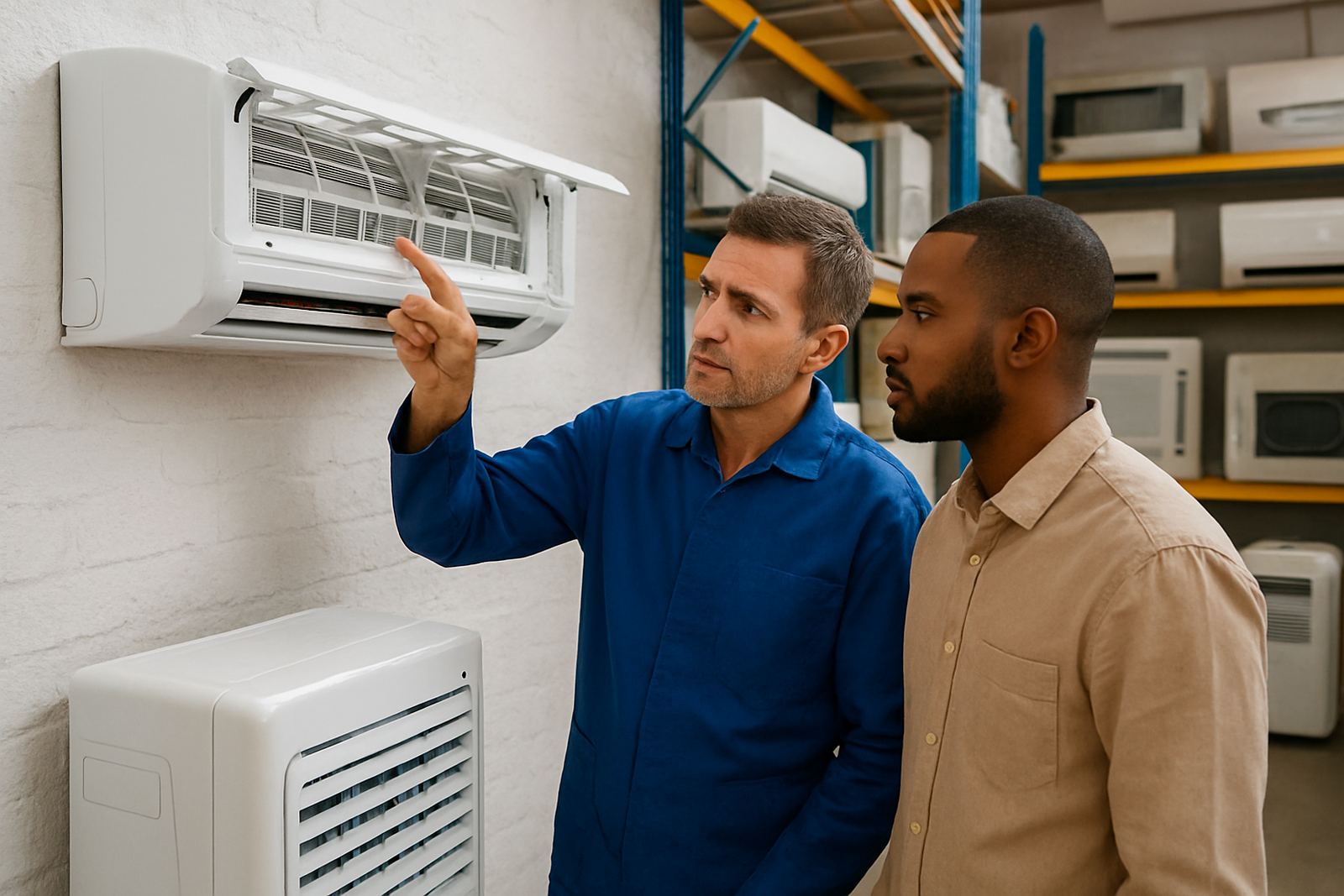
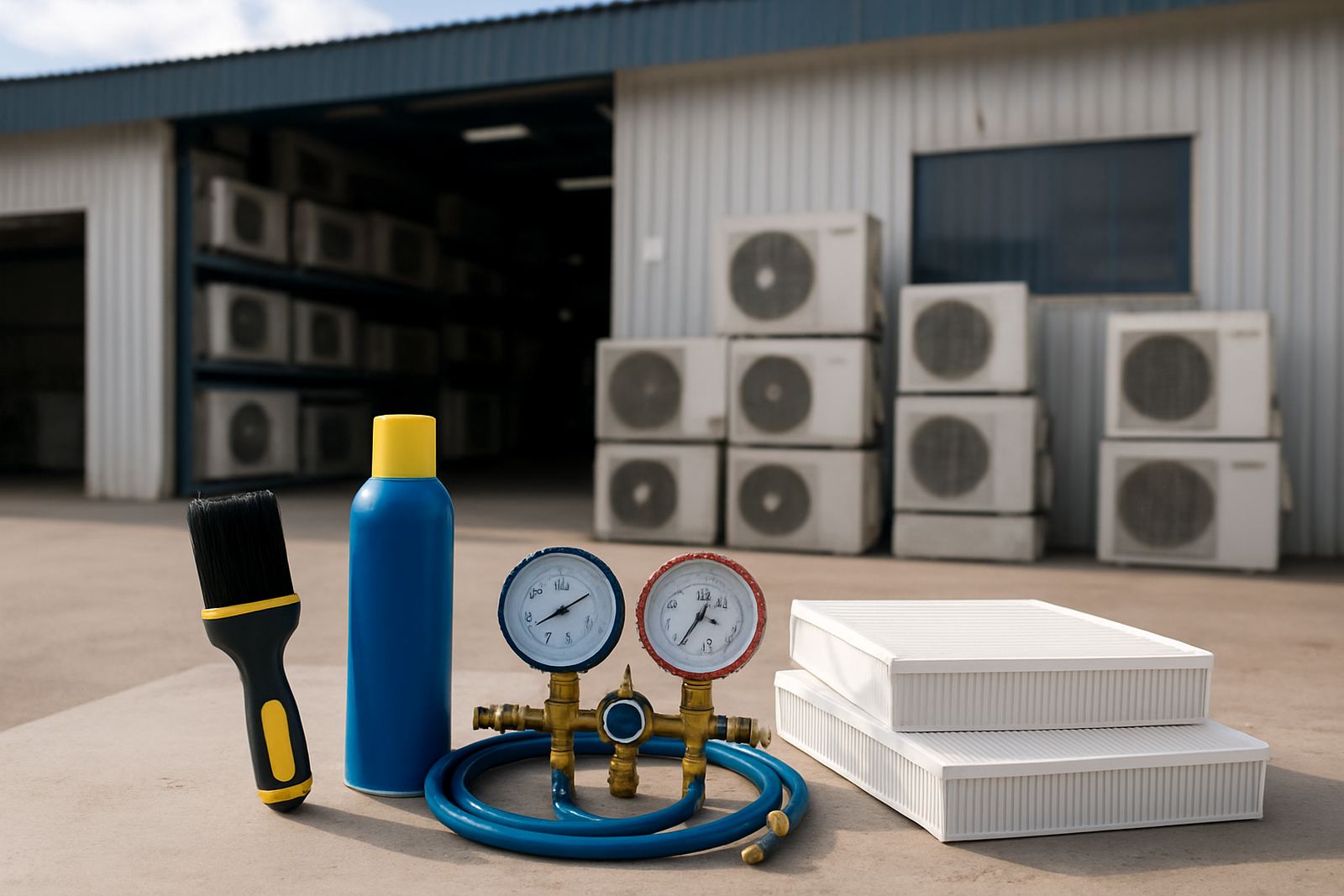
Cleaning matters as well. Blocked filters, dirty coils and poor gas levels reduce cooling and push running costs up. In a dusty or coastal part of the North West and Lowveld, scheduled servicing is not optional if you want reliable performance through summer. A unit that is maintained properly will usually last longer and cope better with busy trading periods. It also gives you fewer surprises during peak heat.
- Keep filters clean and service on a set schedule.
- Check for airflow blockages around the unit.
- Use sensible temperature settings for customer comfort.
- Fix weak cooling early before the unit works harder than needed.
Use a simple fit-out checklist before opening day
Before a shop opens or reopens after a refit, run through a basic cooling checklist. Confirm the unit size, indoor position, outdoor position, power point, drainage route and service access. If the shop is in a mall, centre management may have rules for drilling, noise and outdoor placement, so get approval early. For street-facing stores, also check visibility and security so the aircon does not create blind spots or block signage.
For replacement units, compare the old system with the new one and decide if the existing pipework and drains can be reused. Sometimes they can, but worn pipe insulation, bad brackets or a tired isolation switch will cause problems later. A proper handover should include testing, commissioning and a clear explanation of servicing intervals. That small bit of admin saves trouble when the first hot spell arrives.
- Confirm unit type, size and exact mounting position.
- Check power, drainage and outside clearance.
- Get any centre or municipal approvals before work starts.
- Test the system and keep the commissioning notes on file.
When to replace, service or call for fault finding
If the shop has warm spots, noisy operation, repeated trips or weak airflow, do not wait until trading is affected. Fault finding should start early, especially where the unit runs every day in a customer-facing area. In many cases, a deep clean, gas top-up or electrical repair restores performance without a full replacement. But if the system is old, undersized or expensive to keep patching, a replacement unit may be better value over the next few years.
For retailers in Mbombela, White River, Hazyview, Klerksdorp, Potchefstroom and Rustenburg, a site visit can show whether the issue is capacity, placement or maintenance. Shops with food, fabric, electronics or cosmetics should take cooling seriously because heat and humidity can affect stock. A quick response keeps trading calm and avoids losing customers to a hot room.
- Look for noise, odour, water leaks or uneven cooling.
- Book scheduled servicing before peak summer.
- Use fault finding before replacing a unit outright.
- Check whether stock protection needs a second unit or better placement.