Why heating mode matters on cool inland mornings
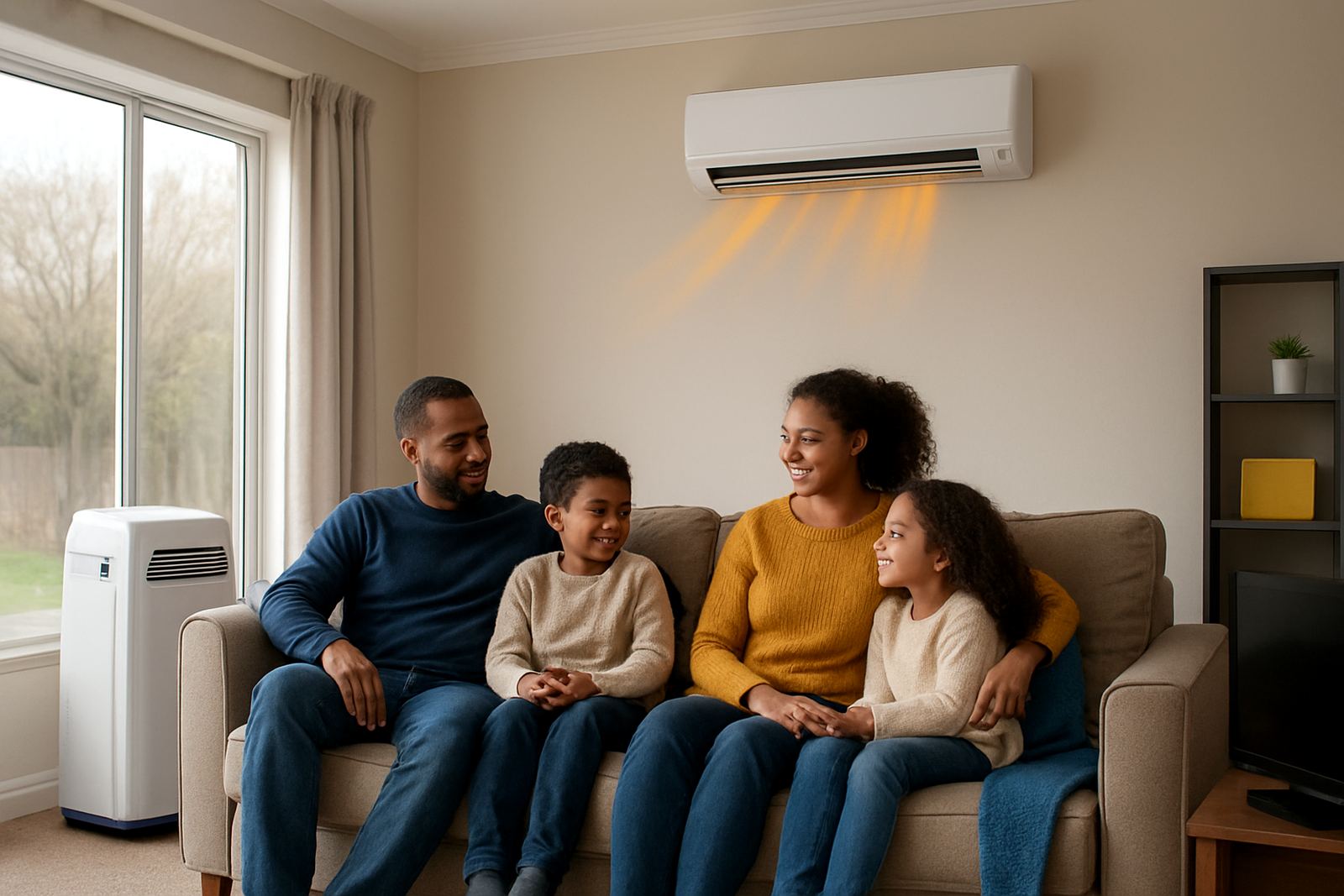
In Mbombela, White River and Hazyview, mornings can feel mild at first light then cool enough to leave a lounge or office uncomfortable until the sun gets going. Klerksdorp, Potchefstroom and Rustenburg often have that same sharp early chill, especially in winter when concrete floors stay cold long after sunrise. A reverse-cycle unit is useful because it moves heat rather than making heat from scratch, so it is well suited to regular morning use.
For homes and small businesses, the main point is simple: do not treat heating mode like a quick blast and forget it. Set it correctly, let the room settle, and keep doors and windows closed. If the unit is properly sized for the space, you should notice a steady rise in comfort in about 10 to 20 minutes, depending on room size and insulation. If the room still feels cold after that, the issue may be with capacity, airflow, or maintenance rather than the heating setting itself.
A local example makes this plain. A reception area in Klerksdorp may feel fine by 10am, but staff and clients arrive before that. A reverse-cycle wall split set for a modest target temperature can take the bite out of the room before opening time, without the dry harshness of old fan heaters.
How to use heating mode properly without wasting electricity
The biggest mistake is turning the temperature up too high. If you set a unit to 30 degrees in a 16 degree room, it will work harder than needed and may cycle poorly. A comfortable indoor target is usually around 21 to 24 degrees for living areas and offices. In a bedroom, many people are happy a little lower, especially if the bedding is already warm.
Give the unit time to stabilise. Reverse-cycle systems need a short start-up period while the indoor coil warms. You may hear a change in fan speed or a brief pause, which is normal. Do not keep switching it on and off every few minutes, as that can use more power than leaving it to run at a steady setting.
- Close doors to unused rooms so the warm air stays where it is needed.
- Keep curtains or blinds open when the sun is on the room, then close them again late afternoon.
- Use the fan setting on low to medium for even circulation in smaller rooms.
- Check that the filters are clean so airflow is not restricted.
If the room has high ceilings or a lot of glass, the unit may need longer to settle and the set temperature might need a small adjustment. That is normal and does not always mean there is a fault.
What to check before the cold mornings start
Before winter sets in, it is worth doing a quick check on the system. A unit that cooled well in summer may still struggle in heating mode if the filters are blocked, the drain is dirty or the indoor fan is dusty. On the outside, leaves, sand and cobwebs can interfere with airflow, and in coastal or humid parts of the Lowveld, grime can build up faster than many people expect.
These checks can save time when the first cold front arrives:
- Make sure the remote is on heat mode and not cool or dry.
- Confirm the temperature is set above room temperature, otherwise the unit will not heat.
- Listen for unusual rattling or repeated clicking.
- Check that the outdoor unit is clear of dust, grass cuttings and obstructions.
- Look for signs of gas loss such as weak heating or long run times.
If the unit blows cool air for too long, starts and stops often, or trips power when it changes mode, it needs attention. In many cases the problem is minor and can be sorted with servicing, cleaning or a gas top-up if there is a leak that has been located and dealt with properly.
When a portable heater is not the better answer
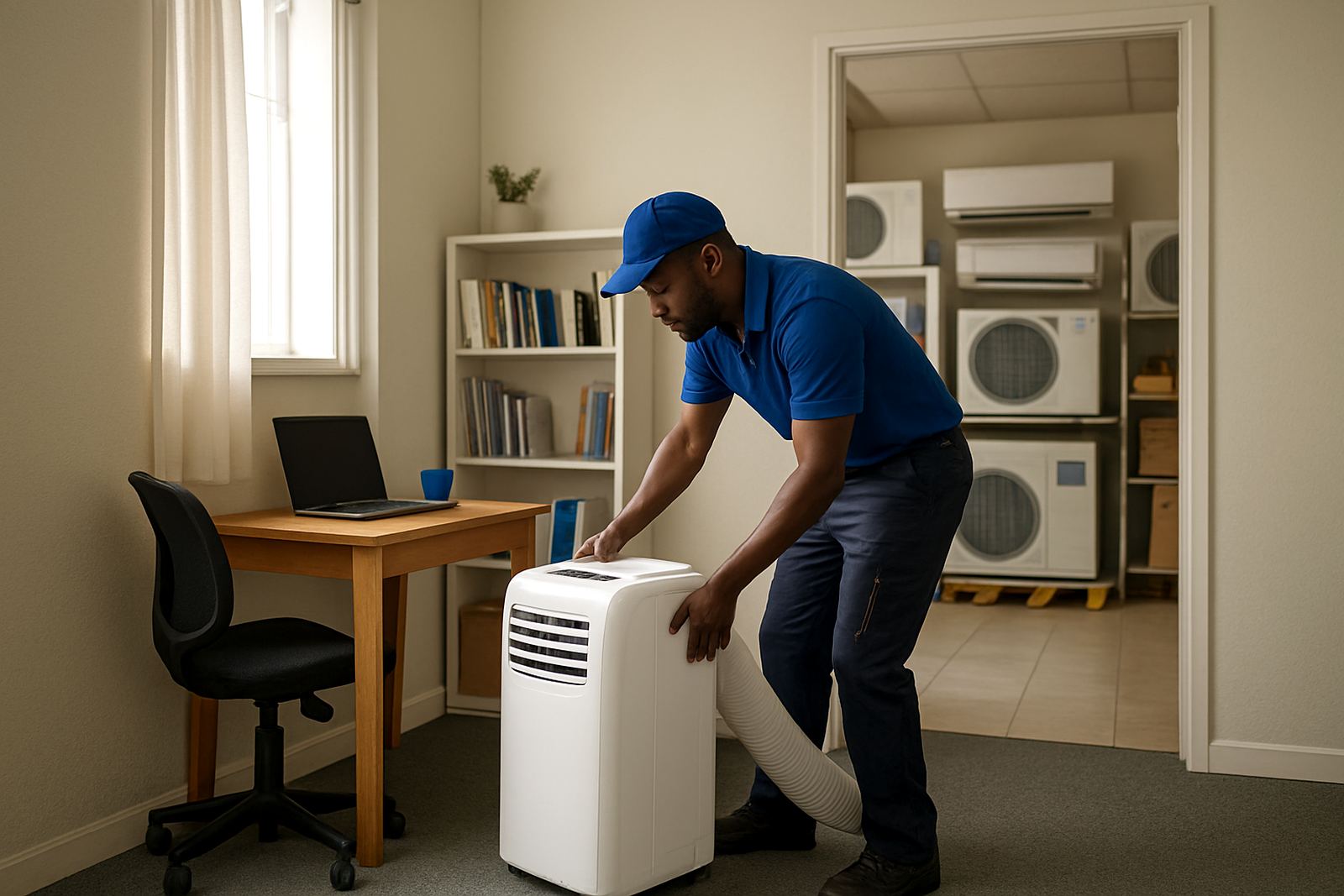
Many homes and shops still reach for a portable heater first. It has a place, but it is not always the most practical option for a whole room, particularly where people are moving in and out or where load-shedding makes planning necessary. Portable heaters warm one area close to the unit and can become expensive if they run for long periods. They also need careful placement away from curtains, paper, rugs and crowded corners.
Reverse-cycle heating is often a better fit when you need more even warmth across a room. It is also useful in business settings where staff sit still for long periods, such as waiting areas, small offices or consulting rooms. The air feels less dry, and the temperature is usually easier to manage.
That said, there are still times when a portable unit is handy, such as a temporary back room or a short-term setup in a store room. The key is to match the equipment to the space, not to force one solution into every situation.
A good installation makes winter heating far more effective
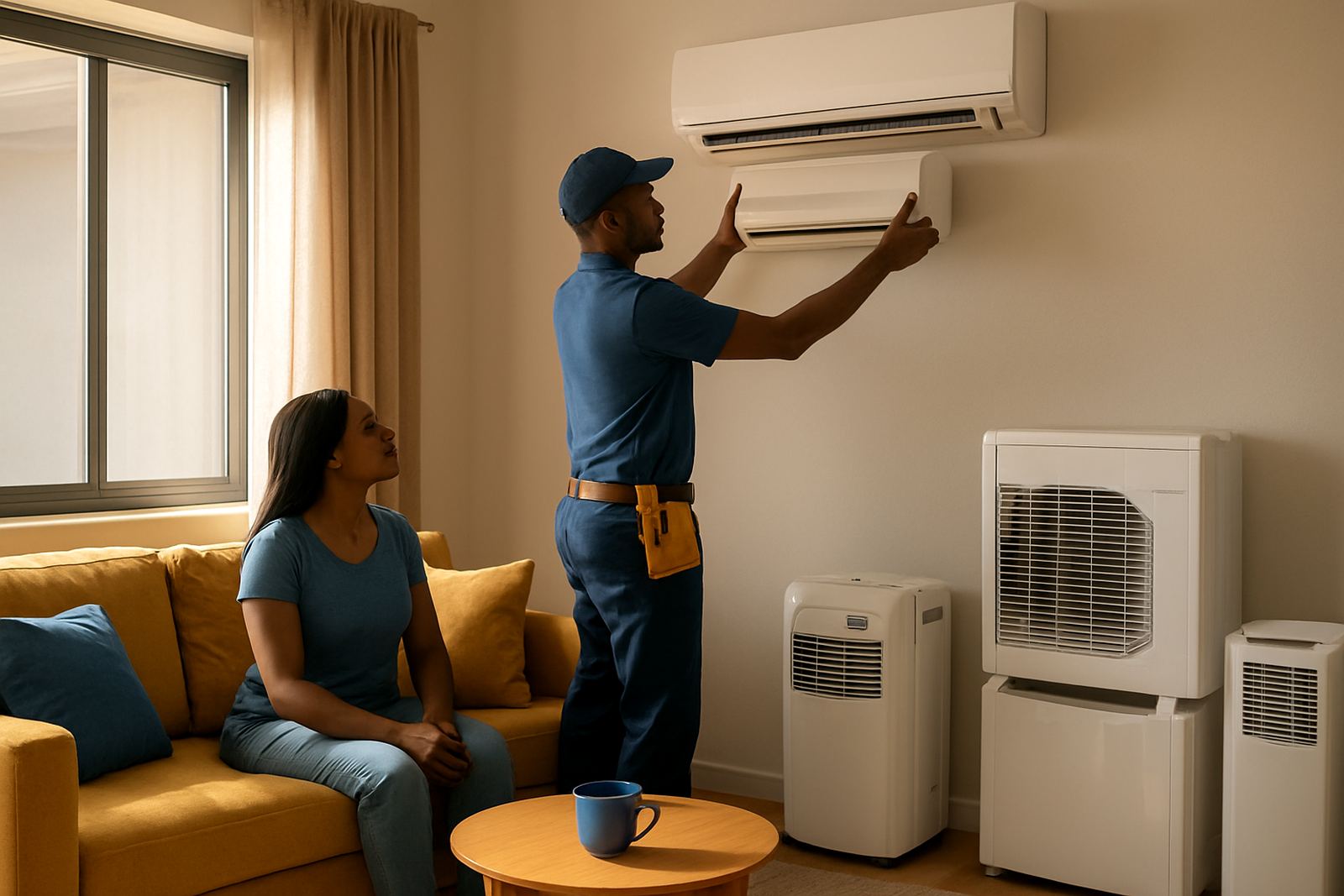
If a unit was installed too small for the room, placed above a heat source, or mounted where airflow is blocked by shelves or beams, heating mode will never feel right. Fitment matters just as much as the machine itself. In towns like Rustenburg and Potchefstroom, where many properties have open-plan layouts or older building stock, the right position can make a noticeable difference to winter comfort.
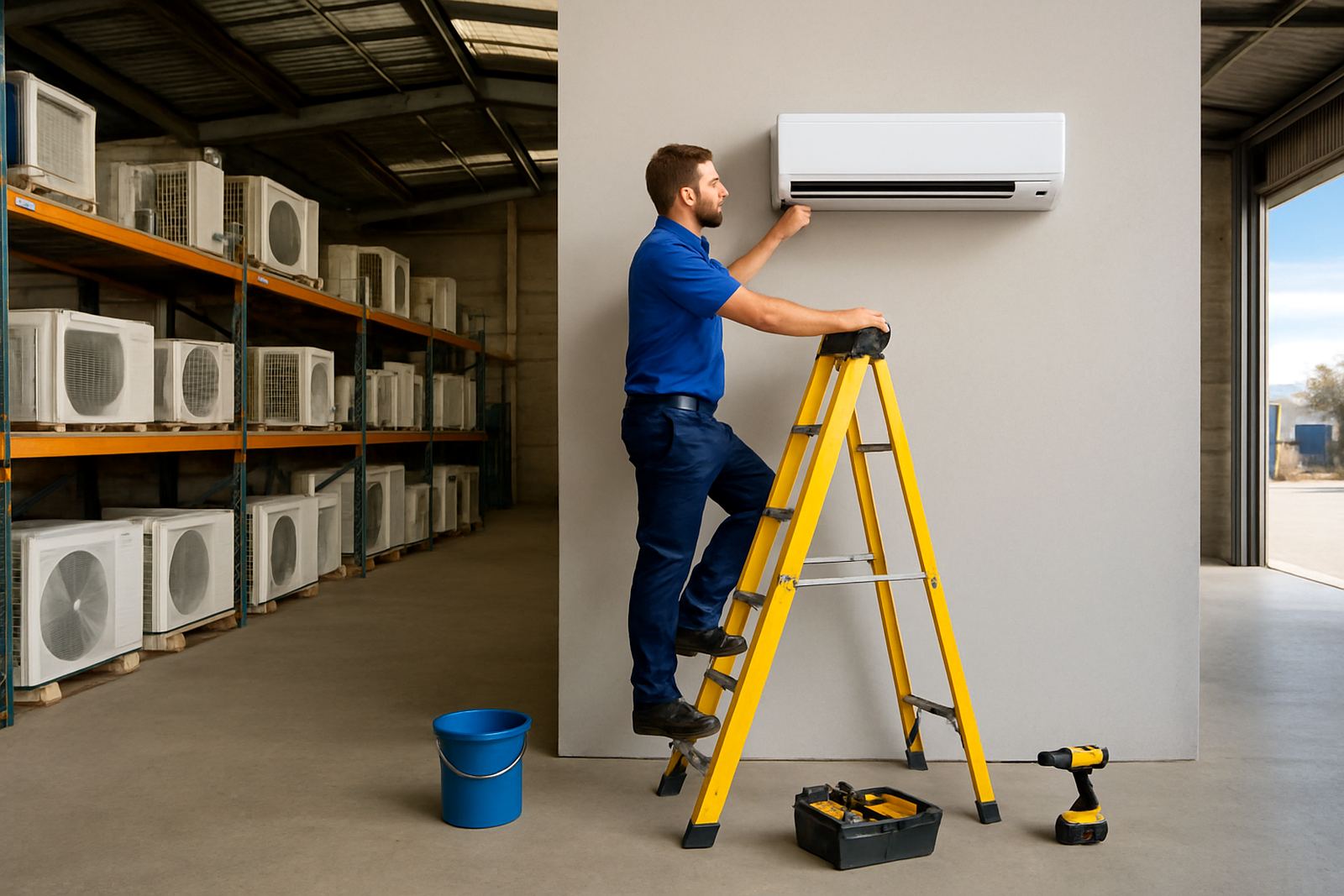
Our team looks at room size, ceiling height, glazing, sun exposure and power supply before recommending a system. For some sites a wall split is the best option, while larger rooms may suit a cassette unit. If there are frequent power cuts or unstable supply, we also look at how the system will behave during restart and whether commissioning has been done properly.
- Site assessments help avoid undersized or badly placed units.
- Correct commissioning improves heating response and protects the compressor.
- Scheduled servicing keeps the system ready for the colder months.
- Fault finding early can prevent a minor issue becoming a costly repair.
For premises that open early, even a small delay in warm-up can affect staff comfort and customer experience. A properly fitted unit removes a lot of that stress.
A practical winter routine for homes and businesses
The simplest winter routine is often the best one. Start with a clean filter, use heat mode before the room gets too cold, and keep the target temperature reasonable. In the Lowveld, where mornings warm up later, you can often switch to fan only by mid-morning. In Klerksdorp and Rustenburg, the unit may run a bit longer in the morning and again late afternoon. There is no need to overwork it if the room is already comfortable.
If you notice poor heating, a smell that does not clear, or water around the unit, get it checked sooner rather than later. Waiting usually means more discomfort and a bigger repair bill. The same applies if the system has not been serviced in over a year. Dust, blocked drains and weak gas levels all affect heating performance, and they tend to show up exactly when you need the unit most.
Winter heating mode is not complicated, but it does reward a little care. Used properly, it gives steady comfort through the coldest mornings in Mbombela, White River, Hazyview, Klerksdorp, Potchefstroom and Rustenburg, without the waste and hot spots that come with quick fix heaters.