Why west-facing rooms feel hotter after lunch
A room that gets strong afternoon sun does not just warm up a bit. By the time the sun moves onto the western wall and windows, the glass, brick, roof space and internal fittings all start storing heat. That heat then keeps coming into the room even after the sun has moved on.
This is why two rooms with the same floor size can behave very differently. A shaded bedroom may cool quickly with a modest wall split, while a west-facing lounge with large windows can stay uncomfortable well into the evening. In hot inland areas like Mbombela and Rustenburg, this is especially noticeable in summer and during still, humid days.
People often think the problem is only room size, but afternoon sun changes the load on the air-conditioner. If the room is used after 2 pm, and especially if there are tiled floors, high ceilings or large windows, the cooling requirement goes up. No short cut really, the room needs to be treated as a high-heat space.
The features that make a room harder to cool
Before choosing a unit, look at what the sun is doing to the room. A west-facing room with poor shade will need more from the aircon than a similar room under a deep patio or behind trees. The aim is to reduce heat gain before the unit starts working hard.
- Large windows with no blinds or reflective film
- Thin roof insulation or no ceiling insulation
- Dark roofs and western walls that hold heat
- Open-plan layouts that spread warm air from nearby spaces
- Rooms used late in the day, such as living rooms and home offices
In places like Potchefstroom and Klerksdorp, afternoon sun can combine with dry heat and dust, so filters need regular cleaning too. In coastal-influenced humidity around Mbombela, the air can feel heavier and the unit may need to remove more moisture before the room feels comfortable.
How to size the cooling properly
The best starting point is a proper site assessment. A small wall split can be fine for a shaded 20 m² room, but that same unit may struggle in a west-facing 20 m² room with a lot of glass. If the aircon runs flat out all afternoon, it will use more power and still leave the room sticky.
For afternoon sun rooms, sizing should consider the direction of the sun, ceiling height, insulation and how many people use the room. A lounge, a small office and a bedroom do not all behave the same. It is better to size for the heat load, not just the floor space.
- Bedrooms with partial shade can often use a smaller wall split
- West-facing lounges often need a stronger wall split or a cassette unit
- Open areas with several doorways may need more than one indoor unit
- Rooms with poor insulation may need heat reduction work as well as cooling
If the room is only used in the evenings, it is still worth planning for the hottest hour of the day. That first hour after the family gets home is usually when the system has to work the hardest.
Practical changes that help the aircon do less work
Good cooling starts before the compressor kicks in. Small changes to the room can cut the heat load and improve comfort straight away. These steps are especially useful in older homes and offices that were not built with modern cooling in mind.
- Fit proper blinds, curtains or reflective window film on western windows
- Check ceiling insulation above the room
- Seal gaps around doors and windows
- Keep exterior walls shaded where possible
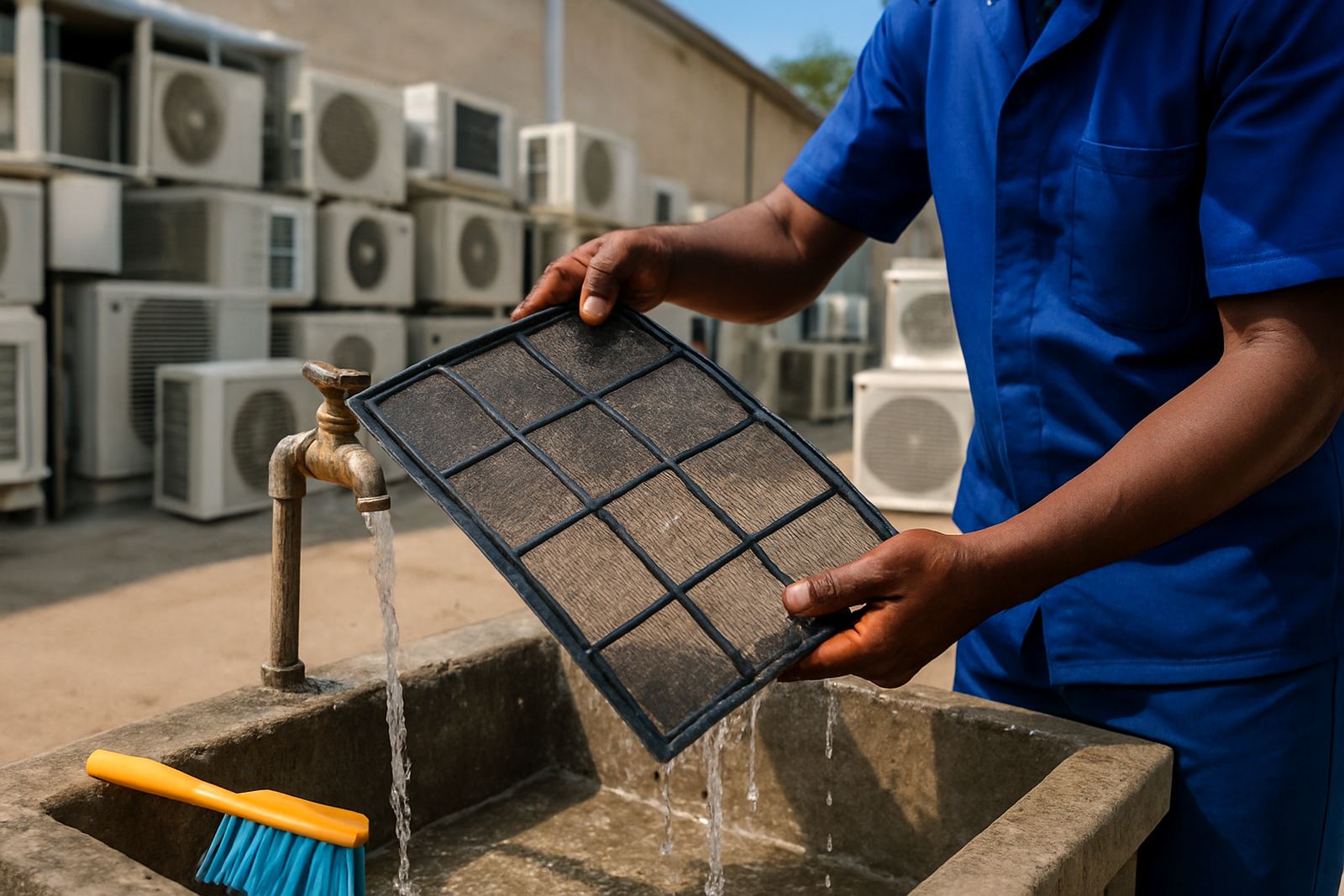
- Clean filters and indoor coils on schedule
We often see rooms in White River and Hazyview where a bit of shade from a pergola, tree or awning makes a big difference. In commercial spaces, even moving a heat source away from a west window can help. A room that starts cooler in the afternoon will always be easier and cheaper to maintain.
Picking the right type of unit for the room
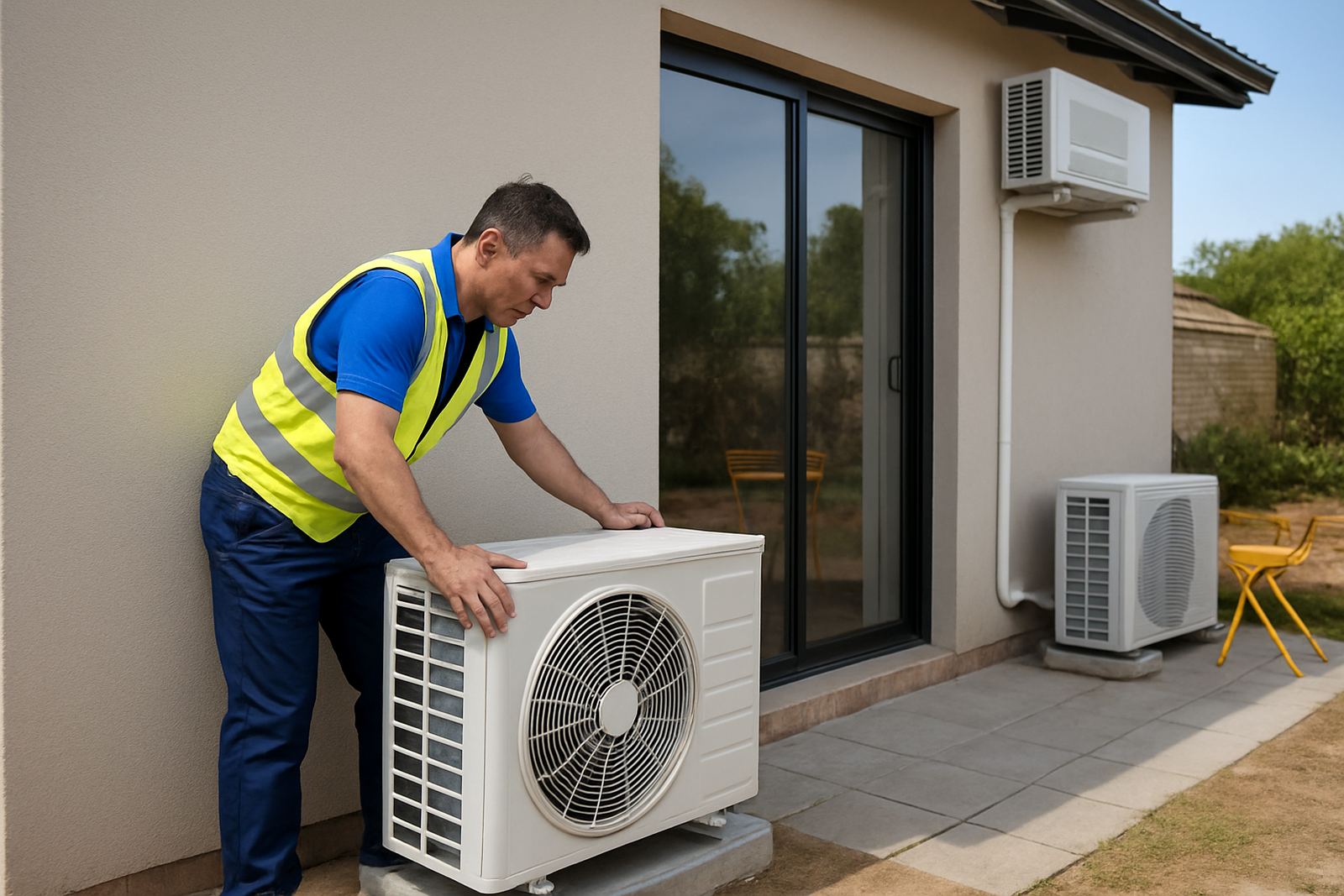
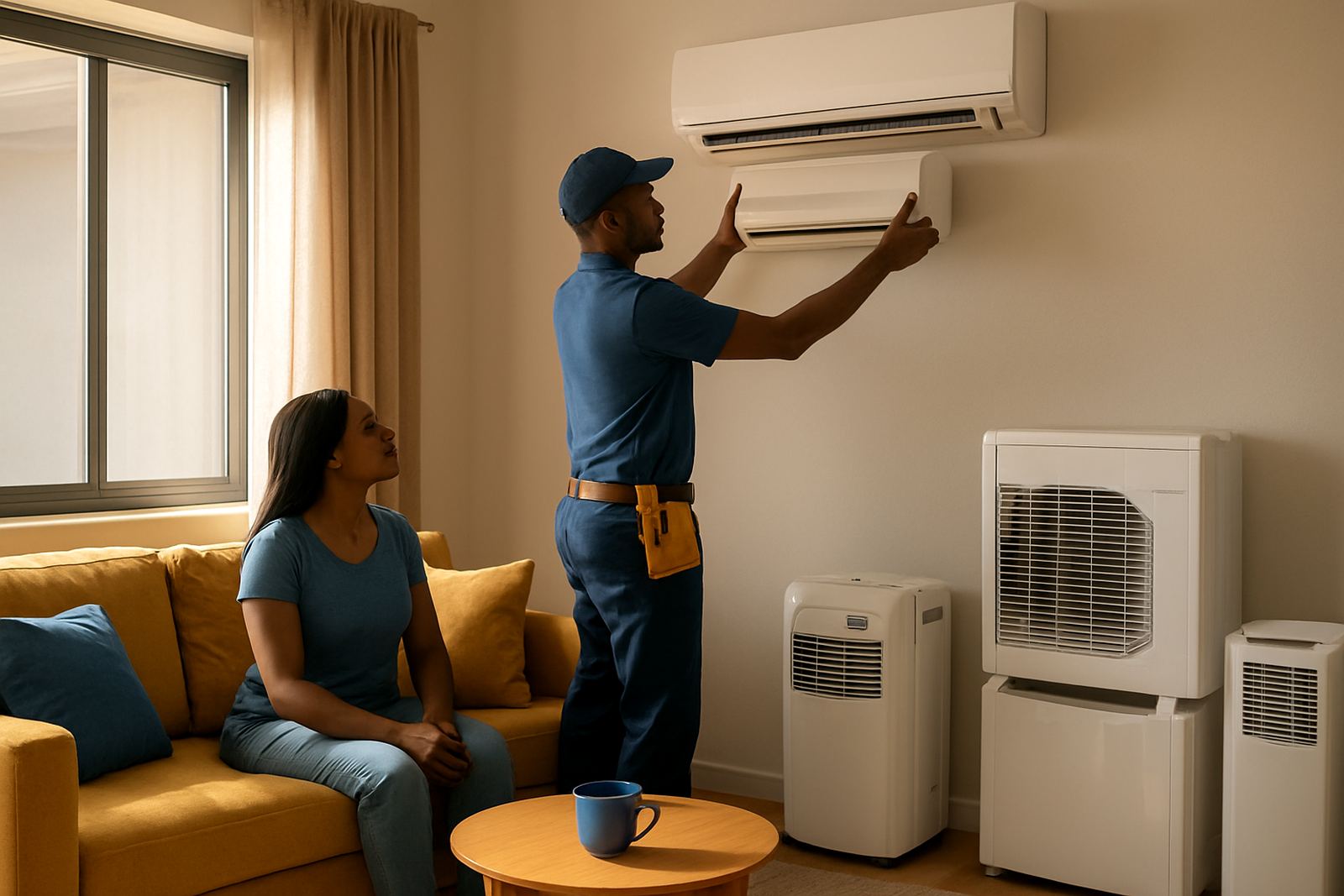
Not every room needs the same style of unit. A wall split is usually the simplest option for bedrooms, smaller lounges and offices. A cassette can suit larger open rooms where the airflow needs to spread evenly. Portable units can help in short-term or rental setups, though they normally do not match the comfort of a fixed installation.
In a west-facing room, the main goal is even air distribution. A unit mounted in the wrong spot can blow cold air into one corner while the far side of the room stays hot. That means more cycling on and off, less comfort and more wear over time.
- Wall splits suit smaller to medium rooms with a clear wall for mounting
- Cassettes work well in larger rooms and open-plan areas
- Portable units are useful where a fixed install is not yet possible
- Replacement units are worth considering if an older system is undersized
For homeowners in Mbombela and Klerksdorp, the practical part is getting the indoor unit matched to the room, not just to the budget. A cheaper unit that is too small often ends up costing more in power and repairs.
A local example from a west-facing lounge
Take a typical family lounge in Mbombela with a western wall, big sliding doors and afternoon sun from about 1:30 pm. The room may feel fine at breakfast, but by late afternoon the brickwork has absorbed heat and the indoor temperature starts climbing. If the family opens the doors for airflow, it can get worse because warm outside air keeps coming in.
After a site assessment, the fix may include a correctly sized wall split, better shading on the glass and a cleaner route for airflow across the room. Sometimes a cassette makes more sense if the room is long or open to the dining area. The point is not to force one solution into every room, but to match the system to the heat pattern.
We see similar setups in Rustenburg homes and small offices, where west-facing spaces are used right through the afternoon. Once the sun moves off the wall, the room should still feel stable instead of swinging from stuffy to icy. That balance is what good sizing and good placement give you.
When to ask for a proper assessment
If a room never seems to cool down, or the unit runs continuously on hot afternoons, it is time to look at the full picture. A technician should check the room size, sun direction, insulation, windows, unit placement and whether the existing system is still suitable.
Aircon Warehouse works from Mbombela with North West coverage, including Klerksdorp, Potchefstroom and Rustenburg, and also serves White River and Hazyview. We handle site assessments, new installations, replacement units, cassette fitment, portable setup, system commissioning, scheduled servicing, fault finding, gas top-ups and deep cleaning. If your west-facing room is giving trouble, a proper assessment will show whether the answer is shading, a better-sized unit or both.
For trade advice or booking, contact trade@airconwarehouse.co.za. A room that faces west does not have to stay hot through the afternoon, but it does need the right approach.