Why trunking finish matters on a proper installation
When an air-conditioner is fitted, the pipe run is often the first thing people notice. If the trunking is straight, cut cleanly and closed properly, the whole job looks planned. If it is warped, loose or badly joined, the installation looks rushed and the pipework is left open to damage. That is not only a finish issue, it can shorten the life of the system.
In Mbombela, White River and Hazyview, sun and summer rain can work on external pipe runs every day. In Klerksdorp, Potchefstroom and Rustenburg, dust and wind can get into weak joins and untreated ends. A clean trunking line helps keep insulation intact and keeps the pipework away from knocks, birds and building movement.
A neat finish also helps when you need future service work. If trunking is installed with care, the technician can open and close it without cracking covers or pulling on the pipes. That saves time on faults, gas checks and replacement work later on.
What good trunking finish quality should look like
A proper trunking run should sit flat against the wall, with even spacing and neat joins. Corners must be cut square, the lid must close fully, and the colour should match the site as closely as possible. On an exposed wall, the finish should look straight from a few metres away, not only at close range.
- Consistent alignment along the full pipe route
- Clean mitre cuts at bends and corners
- Secure clips and fixings at the correct spacing
- No bulging from overpacked pipes or cable ties
- Ends sealed so dust and water do not enter
Good finish quality also means using the right size trunking. If the run is too tight, the lid will not close properly and the pipes may sit under strain. If it is too large, it can look clumsy and collect dirt. The installer should choose the size to suit the pipe set, insulation and cable count, not just what is on the van.
How poor trunking causes longer term problems
Bad trunking work can start with a small issue like a corner that does not line up. After that, the lid lifts slightly, water gets in and the insulation starts to break down. Once the insulation is damaged, condensation can form on the pipes and drip down the wall. Over time, that can stain paint, weaken plaster and cause copper to sweat.
Loose trunking can also move in strong wind or heat. On a west-facing wall in Rustenburg or an office block in Klerksdorp, daily temperature changes can make cheap fittings expand and contract. If the covers are not fixed well, they can creak, open, or crack at the joints. It is small at first, then the repair bill gets bigger.
There is also a security side to it. Exposed pipework without proper finish is easier to tamper with or bend. A tidy trunking route makes the installation harder to damage and less likely to be pulled by cleaners, painters or maintenance staff.
Lowveld and North West conditions call for careful detailing
The Lowveld brings heat, strong sun and sudden rain. North West sites often deal with fine dust, open yards and rough external walls. That changes how trunking should be fitted. A finish that might pass in a shaded indoor corridor can fail quickly on a sunlit patio or along a factory wall.
For example, a split unit installed on a home in White River may need trunking that runs around a beam and drops cleanly to the outdoor unit. If the bend is too tight, the cover lifts. In Potchefstroom, a shop owner may need the pipe run to stay neat above a public walkway where customers pass every day. One bad join shows straight away, and it does not look good. Not for the customer and not for the contractor either.
- Allow for heat movement on long external runs
- Use fixings that suit the wall surface, not just the pipe size
- Seal entries where trunking meets the wall or roof line
- Keep trunking away from gutters, sharp edges and drainage paths
Where trunking finish sits in the full installation process
Trunking should never be treated as an afterthought. It belongs in the site assessment, the measuring stage and the final commissioning walk-through. If the route is planned before drilling starts, the installer can avoid awkward bends, visible cable loops and unnecessary joins.
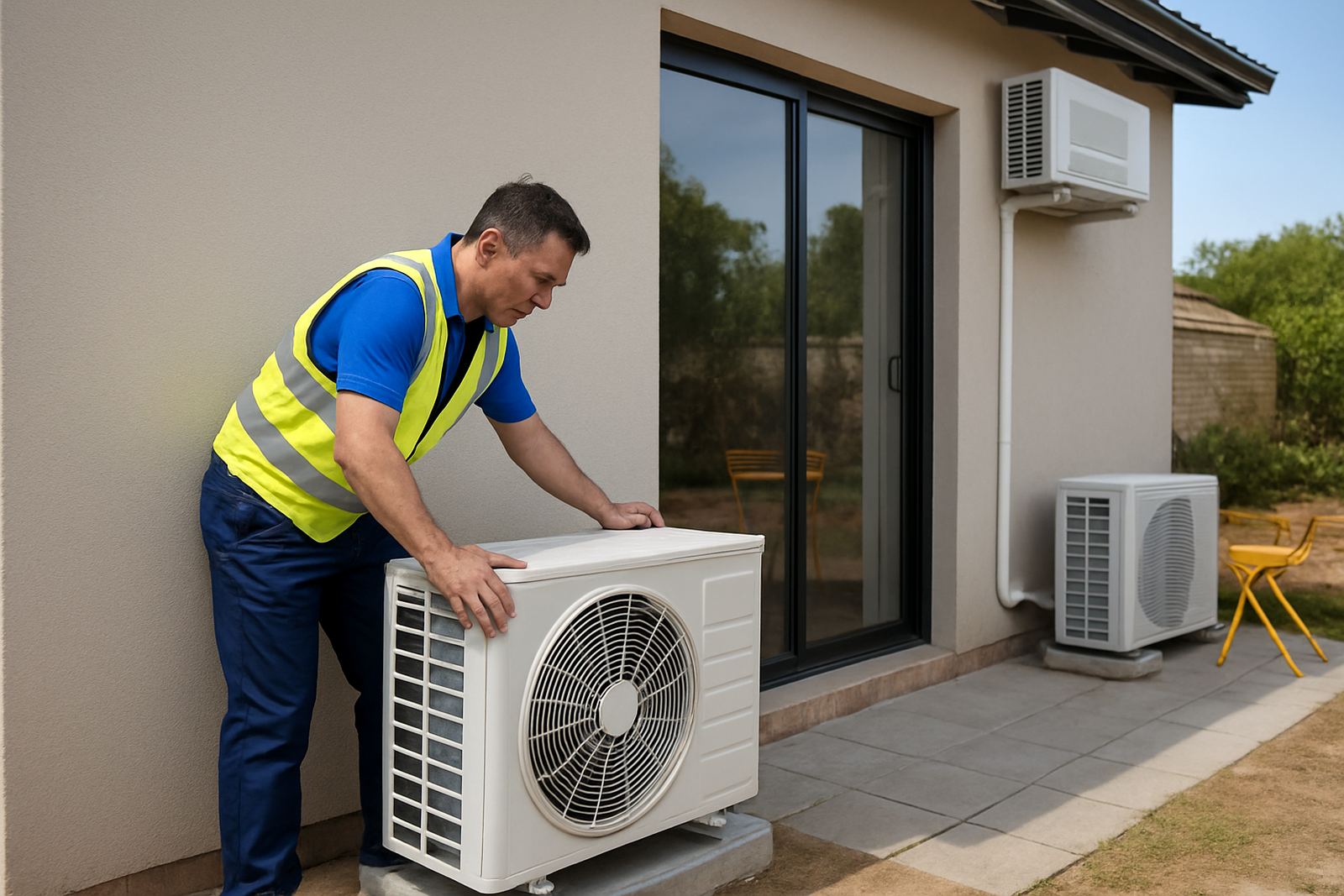
At Aircon Warehouse, this is part of how we handle new installations and replacement units in Mbombela, Klerksdorp and the wider coverage area. The site is checked first, the run is planned, then the pipework and trunking are fixed in a way that suits the building. That makes a cleaner result and reduces call-backs for loose covers or water marks.
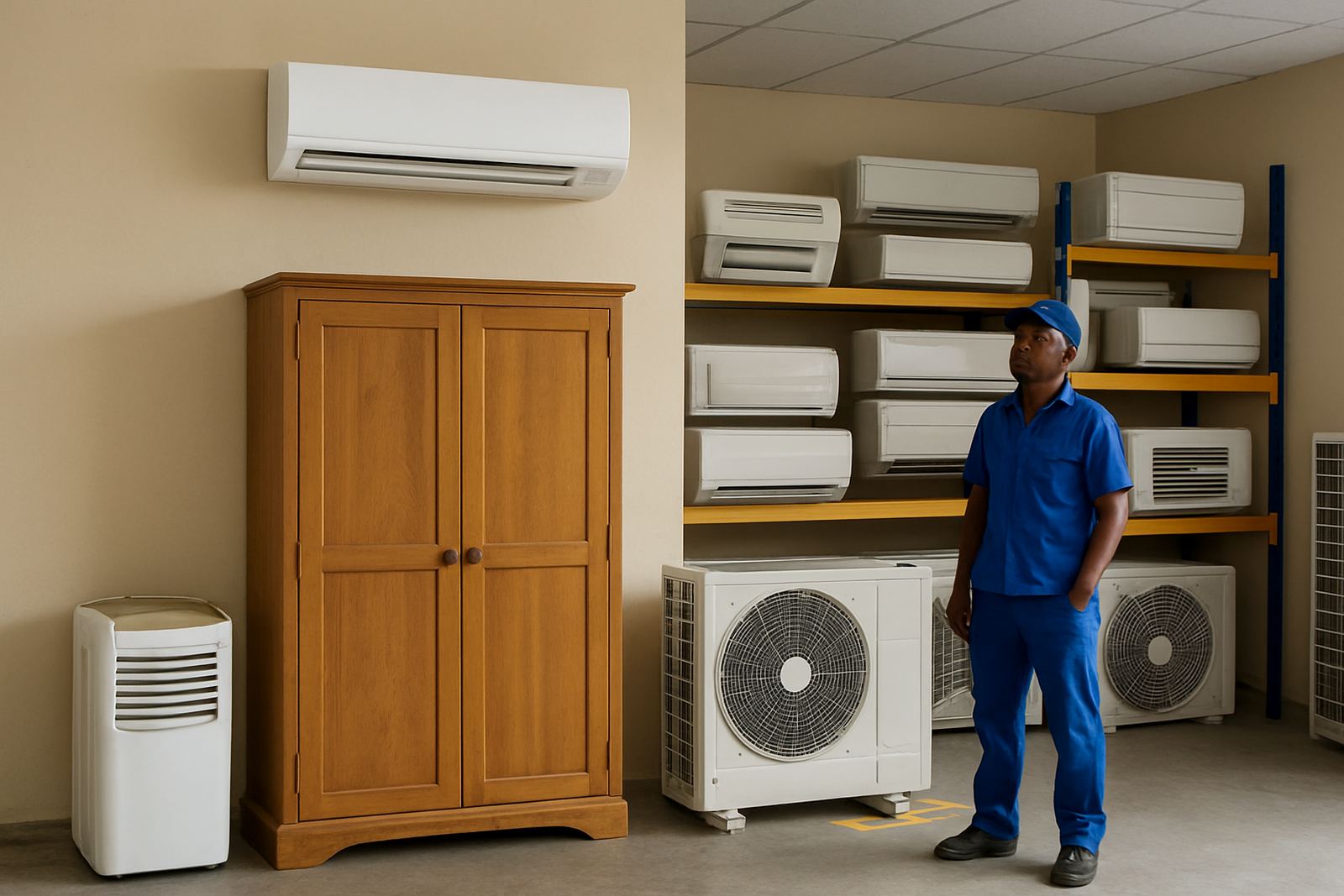
For cassettes, where trunking is less visible indoors, the finish still matters at the point where lines leave the ceiling space and head outside. For portable setups, there is usually less trunking, but any permanent wall exit should still be sealed and finished properly. Small details matter. Always.
Simple checks before the job is signed off
Before any installation is handed over, it helps to do a slow visual check from the main viewing angle. Walk the line of the trunking and look for gaps, broken edges, sagging sections and exposed insulation. Check that all lids are seated and that the wall fixings are evenly spaced.
The final sign-off should also include a practical check on the system itself. If the trunking is neat but the pipes are pinched, the job is not finished. The unit must run correctly, the drain must flow and the external line must stay closed once the aircon is operating.
- Are all joins tight and level?
- Is the colour and size consistent along the run?
- Are the ends sealed against dust and water?
- Can the covers be opened later for service without breaking them?
A good finish is one you do not need to explain. It simply looks right, protects the pipework and keeps the installation tidy for years. That is what customers remember when they see the unit on the wall, and it is what helps the system stay in better shape over time.