What a sensible setpoint does for your bill
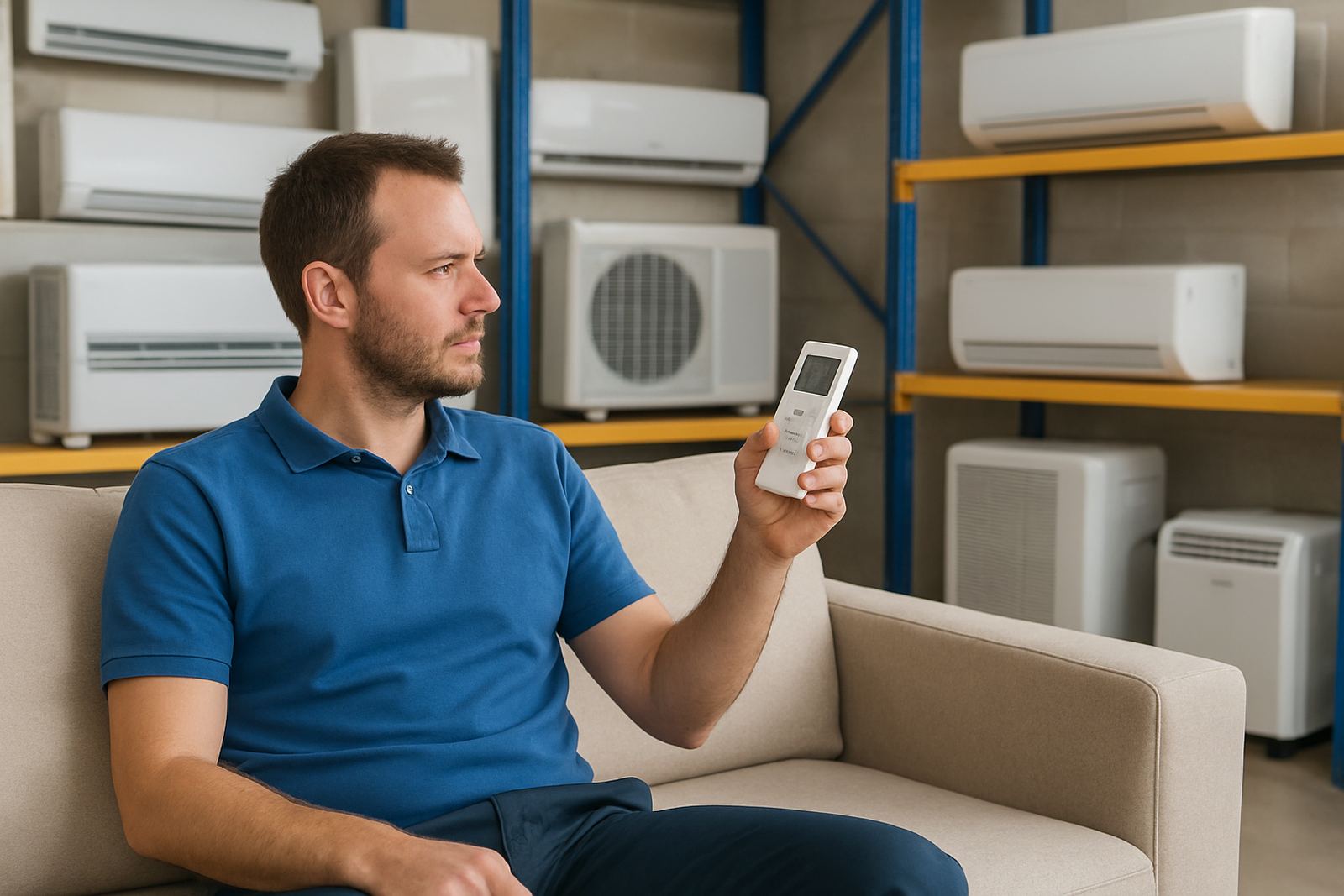
Most people set the remote to 16 or 18 degrees and wonder why the room still feels sticky or the bill climbs. In practice, a setpoint around 23 to 25 degrees is often the sweet spot for offices, shops and living rooms in Mbombela, White River and Hazyview. In Klerksdorp and Potchefstroom, where the air is usually drier, many households are happy a little higher if the unit is sized correctly.
Every degree lower asks the system to work harder and longer. That means more electricity, more wear on the compressor and more chance of a unit cycling badly in the afternoon. A setpoint that is too low can also leave people feeling chilly once they sit still for a while, then someone keeps changing the remote and the whole room becomes uncomfortable.
- Start at 24 degrees and adjust by 1 degree at a time.
- Keep doors and windows closed when the unit is running.
- Use curtains or blinds on west-facing rooms in the late afternoon.
- Match the setting to the room use, not to guesswork.
Why Lowveld humidity changes the answer
In the Lowveld, comfort is not only about temperature, it is also about moisture in the air. On a hot humid day in Mbombela or around the farms near Hazyview, a room at 24 degrees can still feel pleasant if the unit is removing moisture well. If the setpoint is pushed too low, the air can feel unnaturally cold while the humidity is still part of the problem.
That is why site assessment matters. A room with a north-facing window, a tin roof or a lot of traffic opening the door will behave differently from a small bedroom. If the unit is undersized, people often keep lowering the setpoint when the real issue is capacity or poor airflow. One quick check is to stand in the room for ten minutes and see whether the temperature feels even from corner to corner, not just next to the unit.
- In humid areas, let the unit run steadily rather than switching it off and on all the time.
- If the room has lots of sun, use shading before dropping the setpoint.
- Check that filters are clean, because blocked filters reduce moisture removal.
Best setpoints for different rooms
Not every space needs the same setting. A bedroom, boardroom and takeaway shop all behave differently, and setting them the same usually wastes money. Bedrooms often work best between 23 and 25 degrees, because people sleep better when the room is cool but not icy. Offices and reception areas can usually sit around 24 to 25 degrees if there is decent air movement.
For shops, the goal is to keep staff and customers comfortable while the doors are opening often. In Rustenburg and Klerksdorp, where afternoons can be harsh, a slightly lower setting may be needed for a front area that faces direct sun. Still, it is better to balance the setpoint with ceiling fans, blinds and correct unit placement than to keep pushing the temperature down.
- Bedrooms: 23 to 25 degrees.
- Living areas and offices: 24 to 25 degrees.
- Busy front shops or sun-exposed rooms: adjust carefully, usually no more than 22 to 24 degrees.
Load-shedding, restart habits and temperature drift
South African power interruptions change how people use aircons. After load-shedding, a room can heat up quickly, especially if it has glass doors or corrugated roofing. Rather than dropping the setpoint all the way down after power returns, let the unit recover at a sensible level and give it time. If the remote keeps getting pressed lower and lower, the system uses more power without fixing the real heat gain.
It helps to keep the setting stable through the day. A unit that is constantly being turned off, then restarted at a much lower setpoint, has to pull down the room again from scratch. That is hard on the equipment and it also causes more noise than needed. On some systems, a slow steady run can actually feel better than sharp temperature swings, even if the number on the remote looks higher.
- After an outage, return to your normal setpoint instead of chasing a colder number.
- Use timer settings where suitable, for example an hour before closing.
- Ask for a commissioning check if the unit never reaches the set temperature.
Common mistakes we see on site
One common mistake is setting the aircon to its lowest number and thinking that speeds things up. It does not. It only tells the unit to keep running until the room drops to that target, and in many cases the room never settles because the doors open too often or the unit is too small for the space. Another mistake is ignoring maintenance. A dirty indoor coil or low gas charge can make people blame the setpoint when the fault is mechanical.
We also see units installed where the air blows straight onto people sitting or sleeping there, so they keep changing the setting because the air feels harsh. A better fitment position, or even a small adjustment to the airflow direction, can solve the complaint faster than any remote setting. In Klerksdorp and Potchefstroom, dust can build up quickly, so scheduled servicing makes a real difference.
- Do not use the coldest setting as a shortcut.
- Do not ignore weak airflow, strange noise or icing.
- Do not assume a lower setpoint will fix a bad installation.
A practical Lowveld example
A small office in Mbombela might start the day at 24 degrees and stay there while the sun is still gentle. By midday, if the west side gets hot, staff can close blinds and keep the unit on the same setting rather than dropping to 19. If the room still feels warm, the first question should be whether the doors are standing open, whether filters need cleaning, or whether another unit is needed for the space.
That is the kind of thinking that saves money over a full summer. The aim is comfort that lasts through the afternoon, not a cold blast for ten minutes. When the room is used properly, the aircon works less hard and the people inside feel better. It is simple, but many sites miss it because no one checked the room conditions first.