When an older shop unit starts costing more than it saves
In a small shop, one weak air-conditioner can affect the whole trading floor. Staff stand closer to the door to get a breeze, customers avoid the back of the shop and stock near the unit may feel damp or dusty depending on the season. In Mbombela and White River, heat and humidity put extra strain on older systems, while in Klerksdorp and Potchefstroom the issue is often dust, load-shedding starts and stops, and equipment that has simply reached the end of its useful life.
Replacement becomes worth considering when the unit keeps tripping, struggles to cool by midday, or needs gas top-ups and repairs too often. If the shop is still using a system that was sized for a different layout, or for fewer fridges, lights and people, it may be running flat out and still under-performing.
- Uneven cooling across the shop floor
- Higher electricity bills without better comfort
- Frequent call-outs for faults or gas losses
- Noise that distracts staff and customers
- Water dripping, rust or signs of coastal-style wear even inland due to dust and moisture
Choosing the right replacement for a small retail space
Small shops need practical equipment matched to the room, not just a bigger machine. A proper site assessment looks at floor area, ceiling height, glass frontage, door opening frequency, stock heat load and whether the shop sits in direct sun. A convenience store in Mbombela’s warmer streets will not need the same approach as a service shop in Rustenburg or a pharmacy in Klerksdorp.
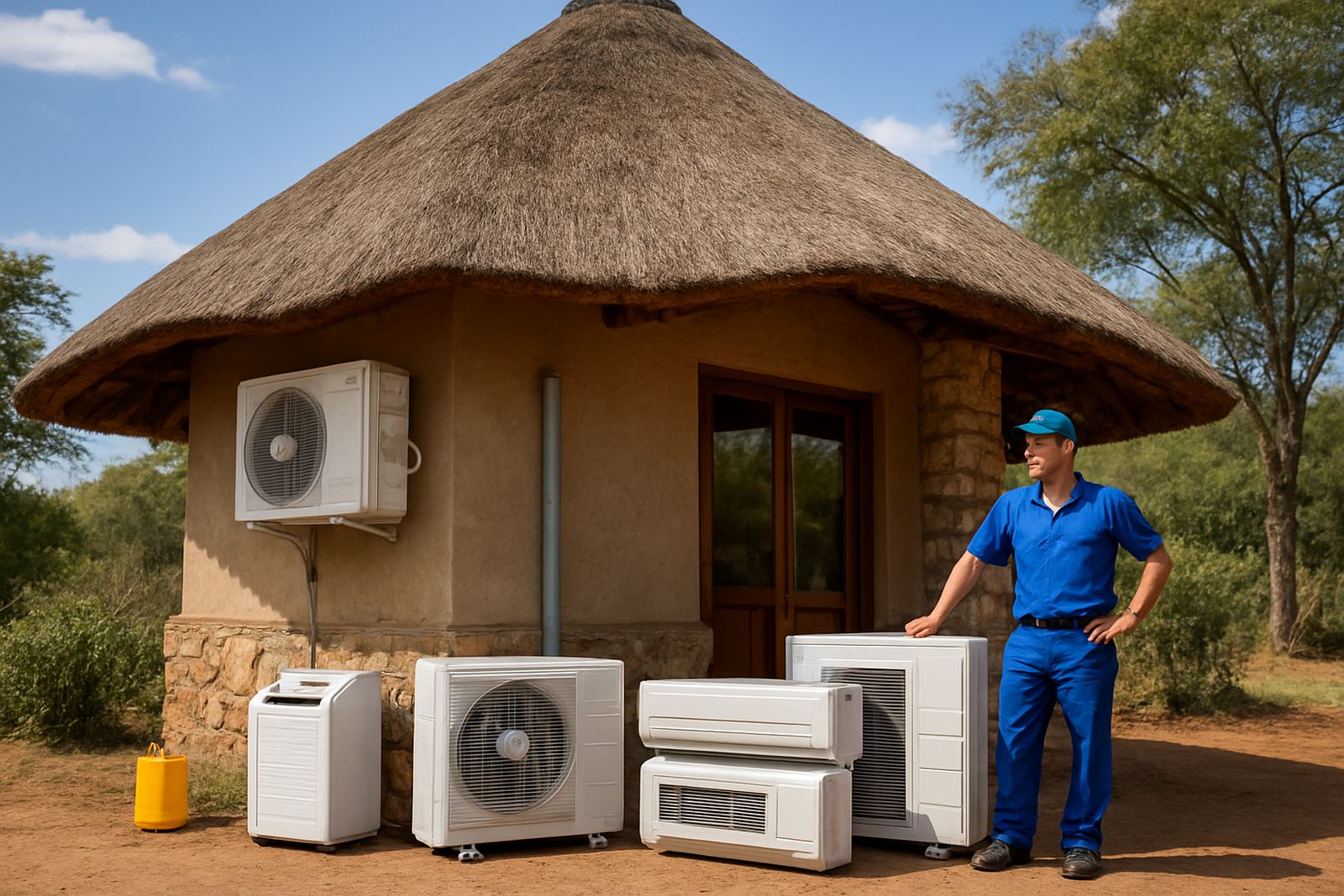
Wall splits suit offices, till areas and smaller shop floors. Cassettes work well where air needs to spread evenly over a wider area. Portable units can help with temporary counter areas or short-term relief, though they are not usually the best long-term answer for a trading floor. In some small shops, the answer is a mix of units rather than one oversized system that short cycles and wastes power.
- Wall splits for counters, offices and smaller enclosed areas
- Cassettes for open retail spaces and more even air distribution
- Portable units for temporary cooling or back-up use
- Replacement units where the old system keeps failing and parts are hard to source
What a planned upgrade changes on the shop floor
A good replacement is not only about cooler air. It reduces interruptions during trading hours, which matters when a shop cannot close easily for repairs. It can also help protect packaged stock, greeting card sections, cosmetics, chilled display edges and other items that suffer when heat builds up. In busy towns like Hazyview, where trading hours are packed and weather changes quickly, that consistency matters from morning to closing time.
When a unit is installed correctly and commissioned properly, the temperature settles faster and the shop does not need staff constantly fiddling with controls. That means fewer complaints from customers standing at the till, and less strain on the team. It also helps during load-shedding recoveries, when a system that restarts cleanly is far less trouble than one that struggles every time power returns.
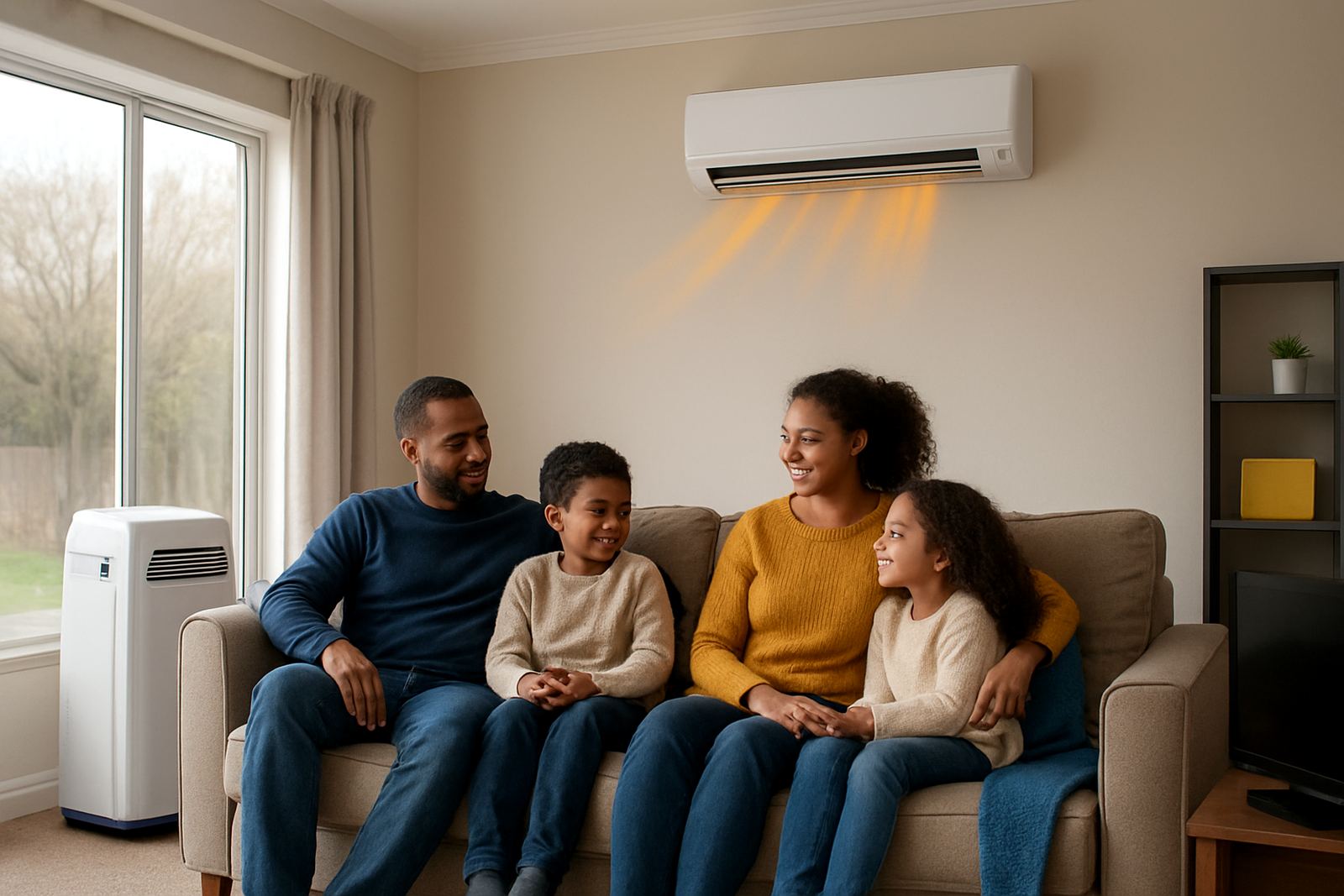
- More stable comfort through the day
- Less time lost waiting for repairs
- Better protection for stock and electronics
- Cleaner presentation in customer-facing areas
Local conditions in the Lowveld and North West do matter
Air conditioning that works inland may still battle in the Lowveld. High summer heat, humidity and frequent door traffic make filters clog faster and condensate management more important. Around Mbombela and White River, shops often need regular scheduled servicing and deep cleaning to keep the air moving properly. In Hazyview, especially in tourist-facing retail, the front door can open and close all day which puts extra load on the unit.
North West conditions bring a different set of problems. Dust, service interruptions and long operating hours can make a neglected system fail suddenly. In Klerksdorp, Potchefstroom and Rustenburg, a replacement plan should include a check on drainage, electrical supply, mounting position and access for future maintenance. That reduces the chance of a new unit being fitted well, then neglected until it starts under-performing again.
Municipal requirements and building rules also need attention, especially where penetrations, brackets or drainage discharge affect a shared wall or landlord property. It is better to sort that early than to fix it after the unit is already on site.
A practical upgrade process for busy owners
For small business owners, the best approach is straightforward. Start with a site assessment, agree on the cooling need, choose the right type of unit and schedule the work around trading hours where possible. In some shops, the old unit can be replaced overnight or early morning so the floor is not disrupted. In others, the changeover needs a short stop in trading and careful coordination with staff.
A proper installation should include commissioning, checking for leaks, testing controls and making sure the condensate drains correctly. If the shop has had repeated gas losses or poor cooling, fault finding should happen before money is spent on a unit that may be installed in the same problematic location.
- Site assessment before any replacement is confirmed
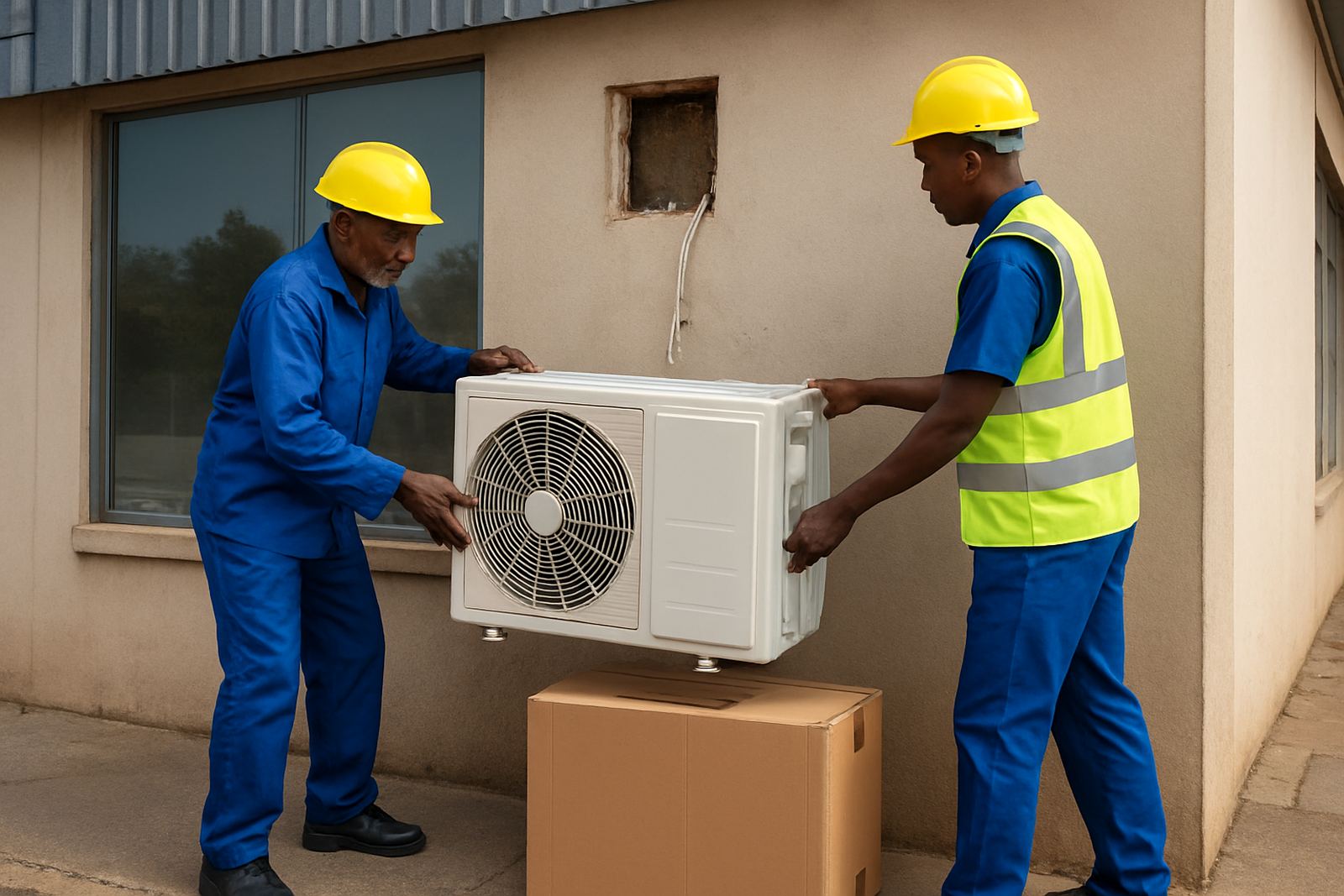
- Removal of the old unit and safe handling of refrigerant where required
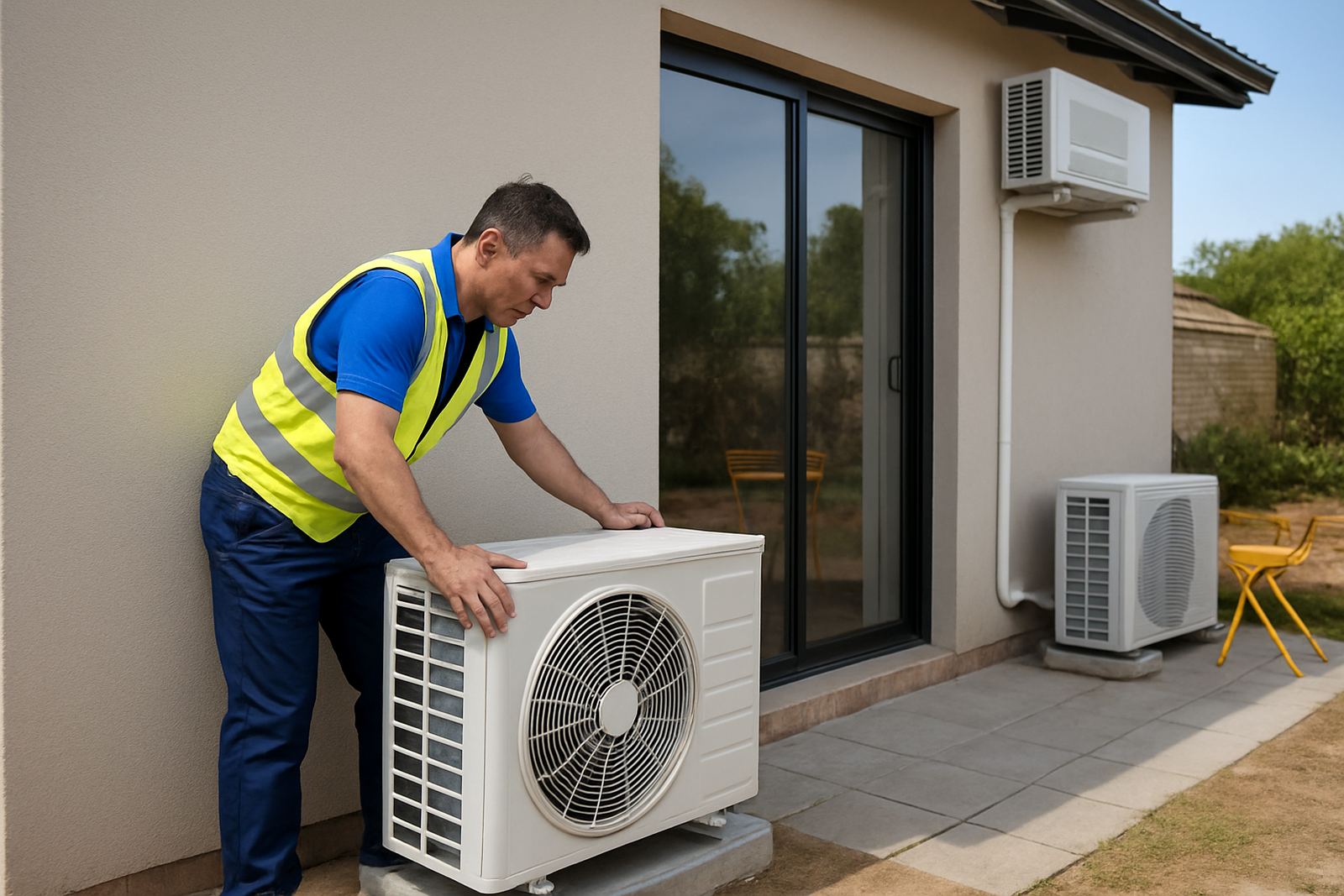
- Installation with correct mounting, drainage and electrical checks
- System commissioning and performance testing
- Guidance on scheduled servicing to protect the new equipment
A simple example from a Mbombela retail counter
One small retail counter in Mbombela had an older wall split that still ran, but only just. By mid-afternoon the till area was warm, the shop assistant kept moving the fan around and the owner had already paid for repeated gas top-ups. The unit also struggled after power cuts, which meant every load-shedding recovery became a fresh problem. After a site assessment, the old unit was replaced with a correctly sized system and the drain route was improved. The result was steadier cooling, less noise and fewer interruptions during trading hours.
This kind of upgrade is not about luxury. It is about keeping a small shop comfortable enough for customers to stay longer and staff to work without fighting the heat. In retail, that can be the difference between a rushed visit and a sale that actually goes through.