Why a good seal matters more than most people think
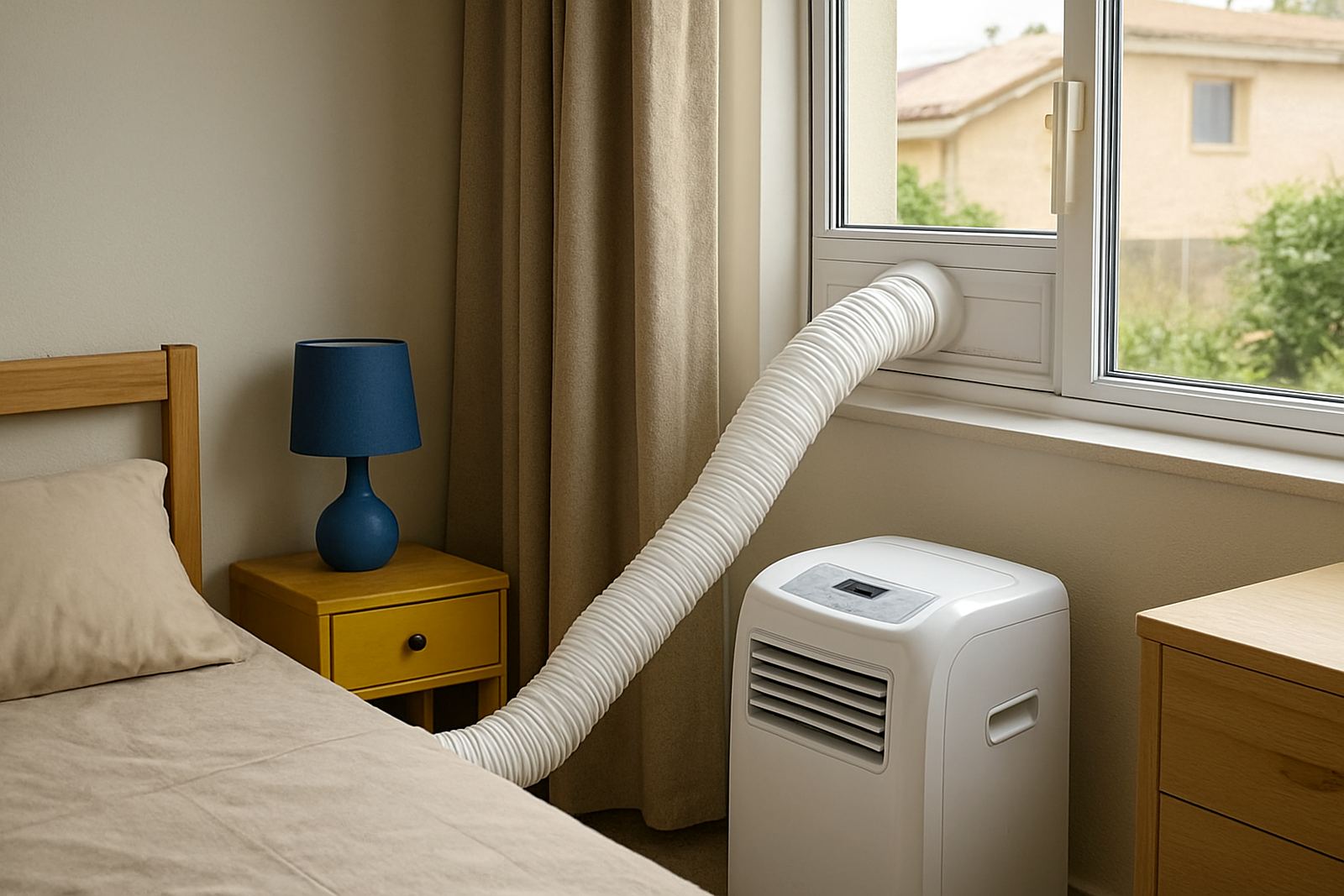
A portable air-conditioner is only as useful as the venting around it. If the exhaust hose pushes hot air out through a window but the opening is left half open, the same heat can come straight back in. That means the unit runs longer, uses more power and still leaves the room feeling sticky.
In Mbombela, White River and Hazyview, this becomes a bigger problem in summer because heat and humidity work together. In Klerksdorp and Potchefstroom, the air may be drier, but a poor seal still lets in dust and warm afternoon air. Either way, the room never reaches a proper comfort level if the vent opening is not controlled.
- Less hot air returning into the room
- Better cooling for the same unit size
- Lower strain on the compressor
- Cleaner indoor air with less dust entry
What goes wrong with a loose window opening
Many portable units are installed quickly with a gap around the hose or panel, then left like that because the unit seems to be working. The problem is that the unit may be running flat out just to cancel out the gap. You can feel this especially late in the afternoon when a west-facing room heats up fast.
Common faults we see include gaps at the top of sliding windows, poor fitting foam around the outlet, and panels that move when the wind picks up. In some homes, the seal works during calm weather but fails on windy days. On the North West side, where strong afternoon breezes and dust are common, that can make a neat room feel untidy and warm very quickly.
- Gaps around the hose outlet
- Loose panels that shift when the window opens and closes
- Unsealed edges that let in insects and dust
- Short hose runs that still dump heat near the opening
Practical sealing methods that suit local homes and offices
The right sealing method depends on the window type, the room use and how often the unit must be moved. A rental flat in Mbombela will usually need a simple solution that can be removed later. A small office in Rustenburg may need a neater semi-permanent fitment that can stay in place through long working hours.
For most portable units, the aim is the same: close the opening as tightly as possible while still allowing the hose to vent freely. The seal should hold up during daily use, and it should not force the window frame or scratch the paint. If the unit is near a bed, study area or reception counter, it should also keep noise and hot draughts down.
- Window seal panels for sliding windows
- Foam or insulation tape for smaller gaps
- Custom boards for awkward openings
- Bracketed hose exits for more secure fitment
How to seal a portable unit properly
Before sealing, check that the hose is the correct length and that the unit can stand level. If the hose is kinked or stretched too far, the machine will struggle even with a good window seal. The vent must also discharge hot air outside, not into a passage, roof space or enclosed balcony.
A proper fitment usually starts with measuring the opening carefully. After that, the panel or insert is fitted so the hose outlet sits tight and the remaining gap is closed off. The job should still allow the window to lock where possible. In security-conscious areas this matters, because a half-open window is not ideal at night.
- Measure the opening before buying any panel or insert
- Keep the hose as short and straight as possible
- Seal all edges, not only the main outlet
- Test the window latch and security after fitment
A Lowveld example: one room, two very different results
A client in White River had a portable unit cooling a home office used for afternoon admin work. The room looked fine on paper, but it stayed warm and humid until nearly 8 pm. The window had been left with a loose board and a gap around the hose, so the cold air from the unit could not settle properly. The machine was cycling hard and the owner thought the unit was too small.
After proper window sealing and a quick check on hose position, the room started cooling faster and stayed comfortable for longer. The unit was no longer fighting the same hot air over and over. That is a common outcome in the Lowveld, especially in rooms that face the sun and carry a lot of afternoon heat from the roof or brick walls.
The lesson is simple. A portable air-conditioner can only do so much if the room keeps breathing in warm air through the vent opening.
When a portable unit is not the right answer
Portable units are useful when a room needs quick cooling, tenants cannot install fixed equipment, or a temporary work space needs relief during hot spells. But if the room is large, poorly shaded or opened often during the day, sealing alone will not solve everything. Sometimes a wall split or cassette unit is the better long-term option.
It also helps to be realistic about the room size, the number of people inside and the amount of heat from computers or cooking appliances. In a small shop in Klerksdorp, a portable unit may be fine for a back office but not for the full front area. That is where a proper site assessment saves money and avoids disappointment.
- Large open-plan rooms may need fixed air-conditioning
- Frequent door opening reduces portable unit performance
- Unshaded rooms often need more than one cooling measure
- High humidity can make sealing and drainage just as important as cooling
What to check before summer hits hard
Before the hottest months arrive, test the seal while the unit is running for at least 20 minutes. Feel around the window edge for warm air, check whether the hose is heating the room back up and listen for rattling when the wind picks up. If water is dripping where it should not, the setup may need attention as well.
For homes and offices in Mbombela, Klerksdorp, Rustenburg and the surrounding areas, it makes sense to sort this out early. Once summer is in full swing, everyone wants the same thing at once and small issues become bigger ones. A clean, tight seal helps the unit work as intended and keeps the room cooler without unnecessary strain.
If you need a portable unit fitted, sealed or checked properly, it is worth getting the venting right from the start. That small detail makes a real difference in hot South African rooms, especially when load-shedding, heat and dust all show up together.