Why meeting rooms need a different cooling approach
A boardroom or meeting room is not the same as an open office. You may only have six people in the room for most of the day, then a full team of 14 arrives for a client pitch or staff briefing. Body heat builds fast, doors open and close often, and the room can feel stuffy long before the rest of the office does.
That is why size, airflow and recovery time matter more than just looking at the floor area. In Mbombela, a sunny room with large windows can heat up quickly by mid-morning. In Klerksdorp or Potchefstroom, dust and dry air can also affect filter load, while Rustenburg offices may need stronger cooling where rooms are packed and temperatures climb during the day.
The first step is to match the unit to the room pattern, not only the room size. If the meeting room is used for short sessions with long gaps, the system must cool fast and switch off without wasting power. If it is used for training, interviews, or long client meetings, steady air distribution becomes more important.
Wall splits, cassettes and portable units compared
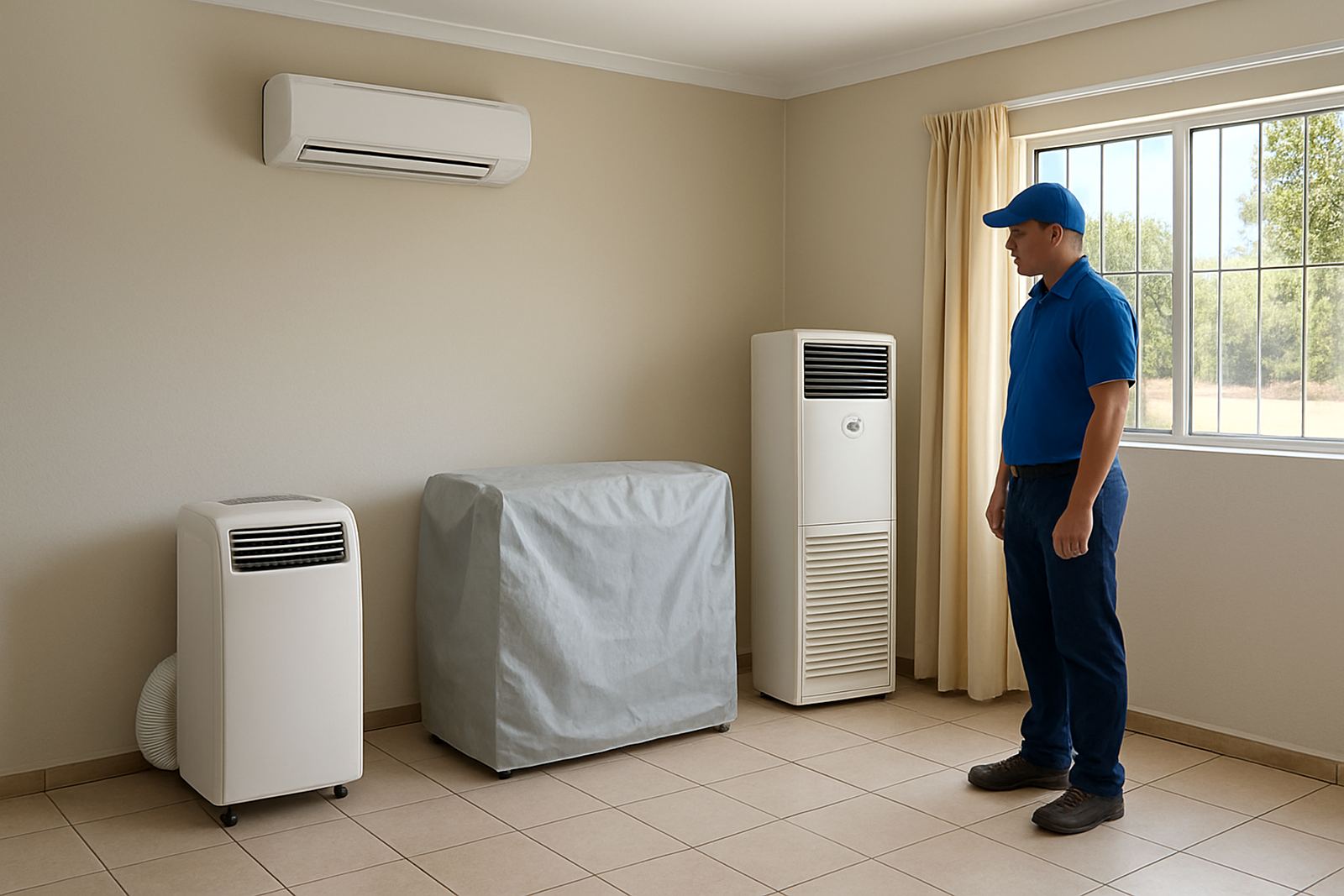
For office meeting rooms, the most common choice is between a wall split, a cassette, or a portable unit. Each one has a place, but they do different jobs.
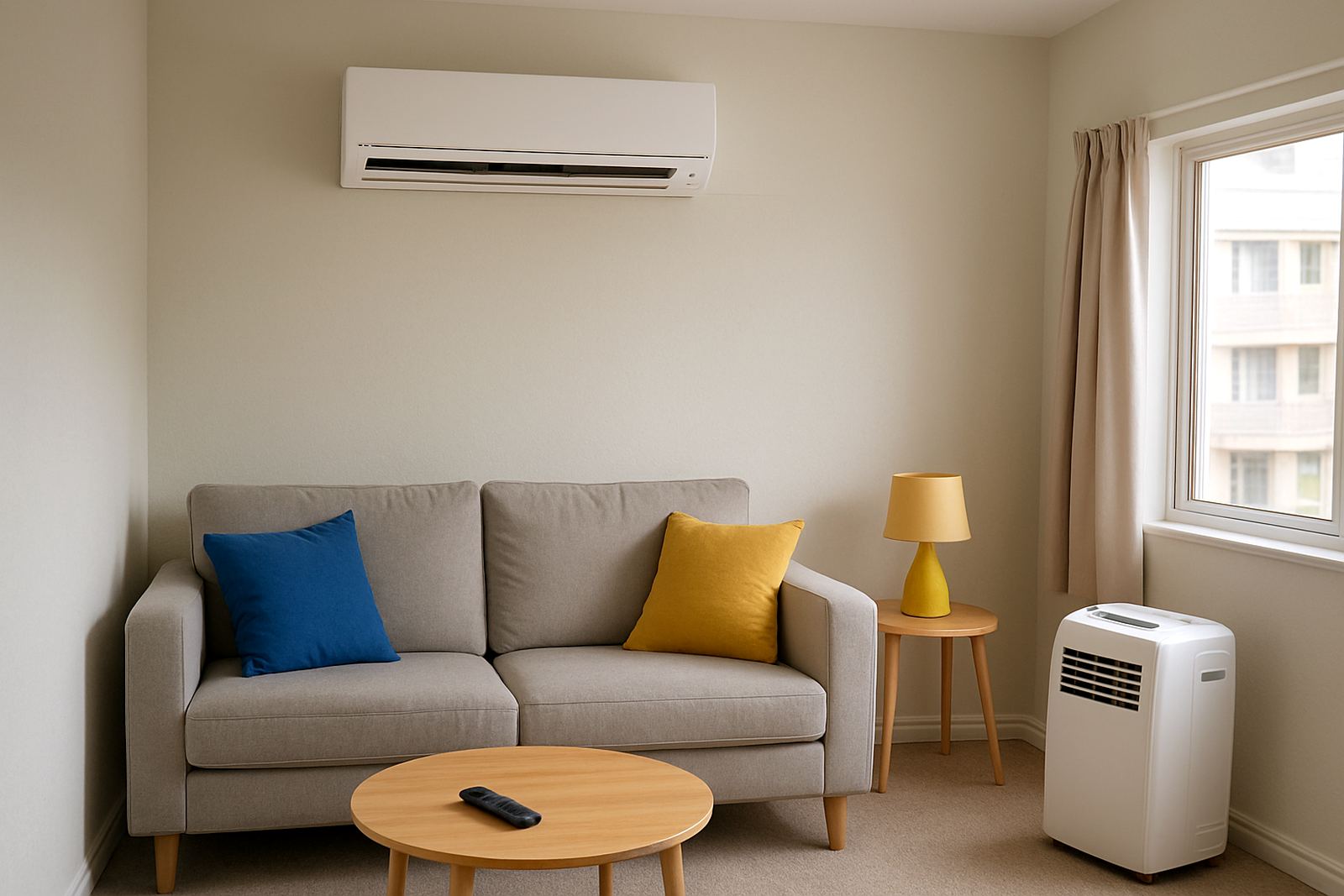
- Wall splits suit smaller meeting rooms, especially where wall space is available and the room is used by 4 to 8 people at a time. They are practical, quick to install, and good for controlled cooling.
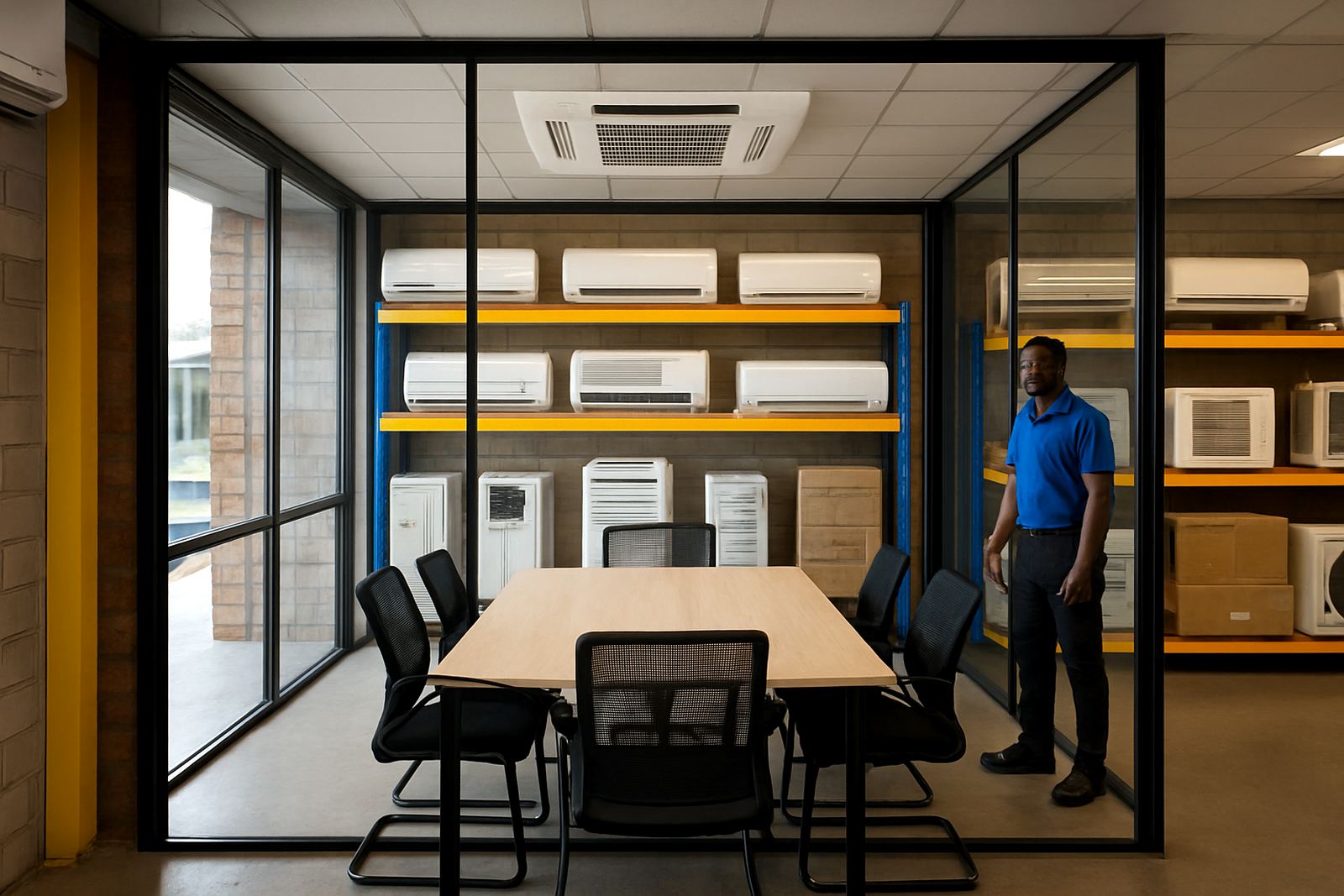
- Cassettes work well in larger meeting rooms and boardrooms with suspended ceilings. They spread air evenly across the room, which helps avoid hot spots near the windows or around a projector.
- Portable units are useful as a temporary answer in a rented office or during fit-out, but they are usually not the best long-term choice for regular meeting use.
A wall split can be enough for a 20 m² room with modest occupancy, but once the room starts carrying eight, ten or more people, a cassette often gives better comfort. Portable units can seem convenient, yet the hose, noise and reduced efficiency make them less suitable for proper meeting spaces.
If the building owner limits wall penetrations or if the room is part of a shared tenancy, the installation rules may push the choice one way or another. That is where a site assessment helps. It shows where the unit can go, how the condensate will drain, and whether the electrical supply is ready.
What to look at before you choose a unit
The room layout tells you a lot. Glass frontage, server equipment, printed presentation gear and ceiling height all affect cooling. So does the direction the room faces. A meeting room in White River with west-facing windows can need a stronger setup than a shaded internal room of the same size.
Before choosing, check these points:
- How many people will normally sit in the room
- Whether the room has a ceiling void for a cassette
- How much sunlight enters through the windows
- Whether doors stay closed or open often
- Whether the building can handle the electrical load
- How quiet the unit must be during presentations
Noise is often overlooked. A meeting room air-conditioner should not drown out conversation or make online calls difficult. If the room is used for interviews or client presentations, quieter operation becomes a real advantage. Airflow direction also matters, because nobody wants cold air blowing straight onto the person speaking.
Lowveld heat, North West dust and day-to-day use
Local conditions affect how long a system lasts and how often it needs attention. In the Lowveld, heat and humidity can make a room feel heavier, so units need to remove moisture properly as well as cool the air. In the North West, dust is a bigger issue and filters can clog faster, which reduces airflow and puts strain on the unit.
We often see meeting rooms where the unit was chosen for the building, but not for actual use. A small office may only need the room cooled for an hour at a time, while a training centre or municipal office can run meetings back to back. In those cases, the system needs faster pull-down times and scheduled servicing to keep it working properly.
Load-shedding also changes the picture. When power returns, some systems start up into a hot room and have to work harder than usual. It helps to plan for safe restart behaviour, correct electrical protection and a unit that can handle frequent cycling. A poor fit here can lead to nuisance trips and unhappy staff.
A practical setup for Mbombela and nearby offices
For a typical meeting room in Mbombela, White River or Hazyview, we often start with a site assessment and then look at room size, glazing and use pattern. A boardroom with eight chairs and moderate glass may do well with a wall split, while a larger room used for training or monthly presentations may be better served by a cassette.
One example is a client room in Mbombela that hosted small internal meetings most days, then supplier presentations twice a week. It had large windows and the room filled up fast after lunch. A wall split would have cooled the room, but the airflow would have been uneven. A cassette gave more even coverage, quicker recovery after each meeting, and less complaint about cold air on one side of the table.
For offices in Klerksdorp, Potchefstroom and Rustenburg, we also consider ceiling type, dust levels and service access. If the unit is hard to reach, staff tend to leave filters too long between cleans, and that shortens the life of the system. An accessible layout makes servicing easier and helps keep running costs under control.
Installation and servicing keep the room comfortable
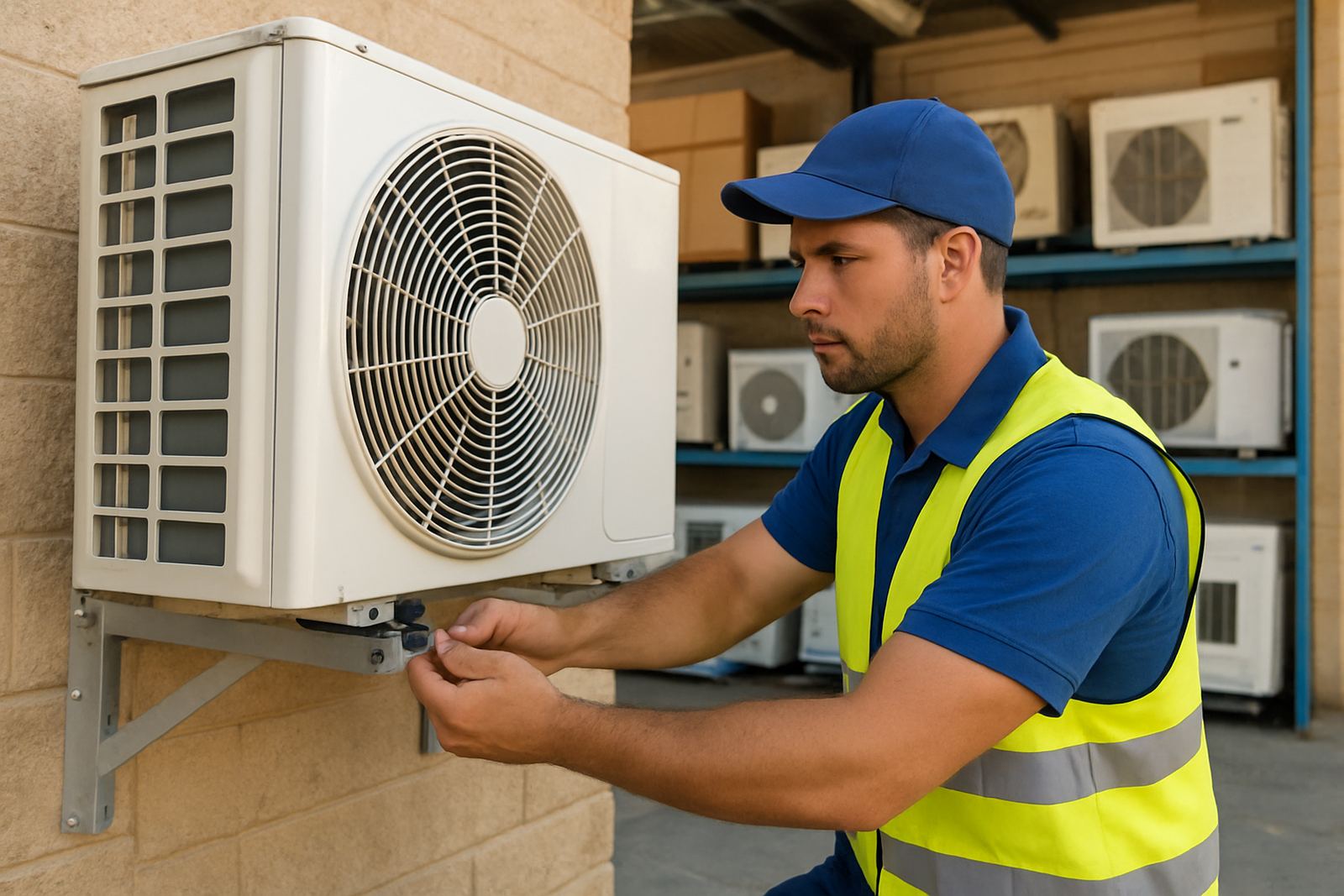
The best unit still needs proper installation. Drainage, pipe runs, electrical protection and system commissioning all affect performance. A neat-looking unit that was rushed into place can still drip, rattle or struggle in peak heat. Meeting rooms need reliable cooling because they are used when people expect the office to look and feel professional.
Our team handles new installations, replacement units, cassette fitment, portable setup, system commissioning, scheduled servicing, fault finding, gas top-ups and deep cleaning. For office clients, that means one point of contact from site assessment through to after-sales support. Sipho Mandla Nkosi leads the business from Mbombela, with coverage into the Lowveld and North West.
- Clean filters before peak summer use
- Book servicing before the room gets busy again
- Check condensate drainage after installation
- Match the unit to the real number of occupants
- Plan for load-shedding recovery and safe restart
Meeting rooms do not need the biggest unit in the building. They need the right one, placed well and looked after. That saves power, reduces complaints and keeps the room ready when a client arrives early or the team meeting runs long.