What that noise is really telling you
An outdoor unit should hum, not shout. If you start hearing rattling, buzzing, scraping or a harsh metal-on-metal sound, the condenser may be telling you something has shifted. In many cases the issue starts small, then gets worse as the unit runs through more cycles and vibration shakes loose a bracket, screw or cover panel.
On older wall splits, the fan motor, blades and base can also wear over time. On a new unit, the problem is often simpler: the base is uneven, the mounting is not level, or the pipework is touching a wall and carrying vibration into the building. That is why a proper site assessment matters before anyone starts replacing parts.
Mounting faults are a common cause in windy, dusty areas
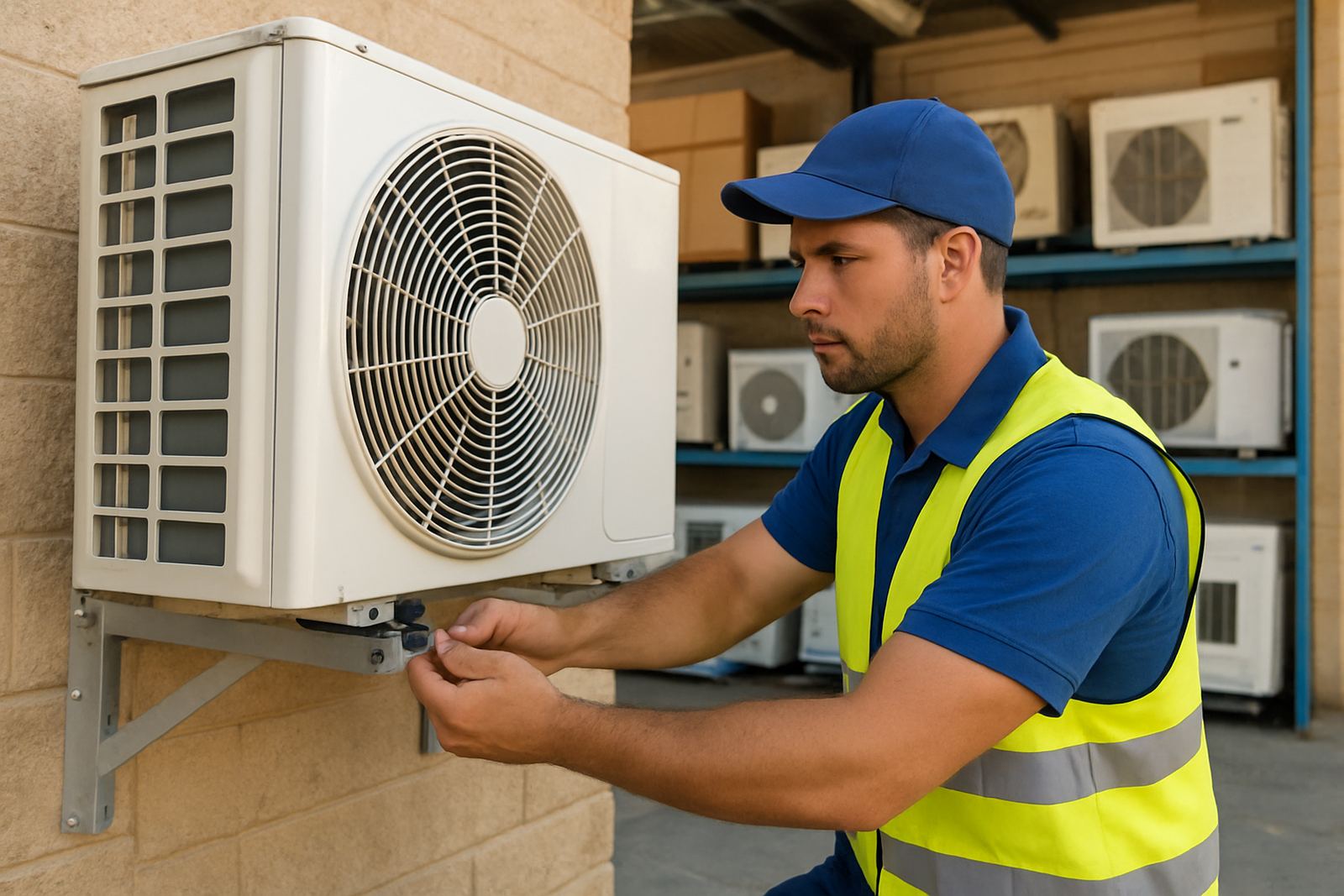
We find many noise complaints in the Lowveld where the outdoor unit has been fixed to a wall bracket, roof stand or concrete plinth that is not taking the weight evenly. If one side settles, the casing can twist slightly and the fan starts to pull air past a panel it should not touch. That gives off a buzzing or fluttering sound.
Dust and wind can make matters worse, especially in areas like White River, Hazyview and parts of Klerksdorp where grit gets into small gaps. A bracket that looked fine in summer can start to rattle after months of load-shedding, start-stop cycling and vibration. In one Mbombela job, a unit sounded like loose tin every evening because the fixing bolts had worked free from a wall with poor anchors.
- Check whether the unit sits level and firm on its stand or bracket.
- Look for loose bolts, cracked rubber pads or rust around the fixings.
- Make sure the pipework is not pressed against brick, steel or timber.
- If the wall feels hollow or damaged, the bracket may need proper re-anchoring.
Vibration from pipework and covers can sound worse than the fault itself
Not every noisy unit has a major mechanical fault. Sometimes the copper pipes, drain line or electrical cover are vibrating against each other. That can create a sharp buzz, especially when the compressor starts. A small gap between two components may only be a few millimetres, but once the unit kicks in you hear it across the room.
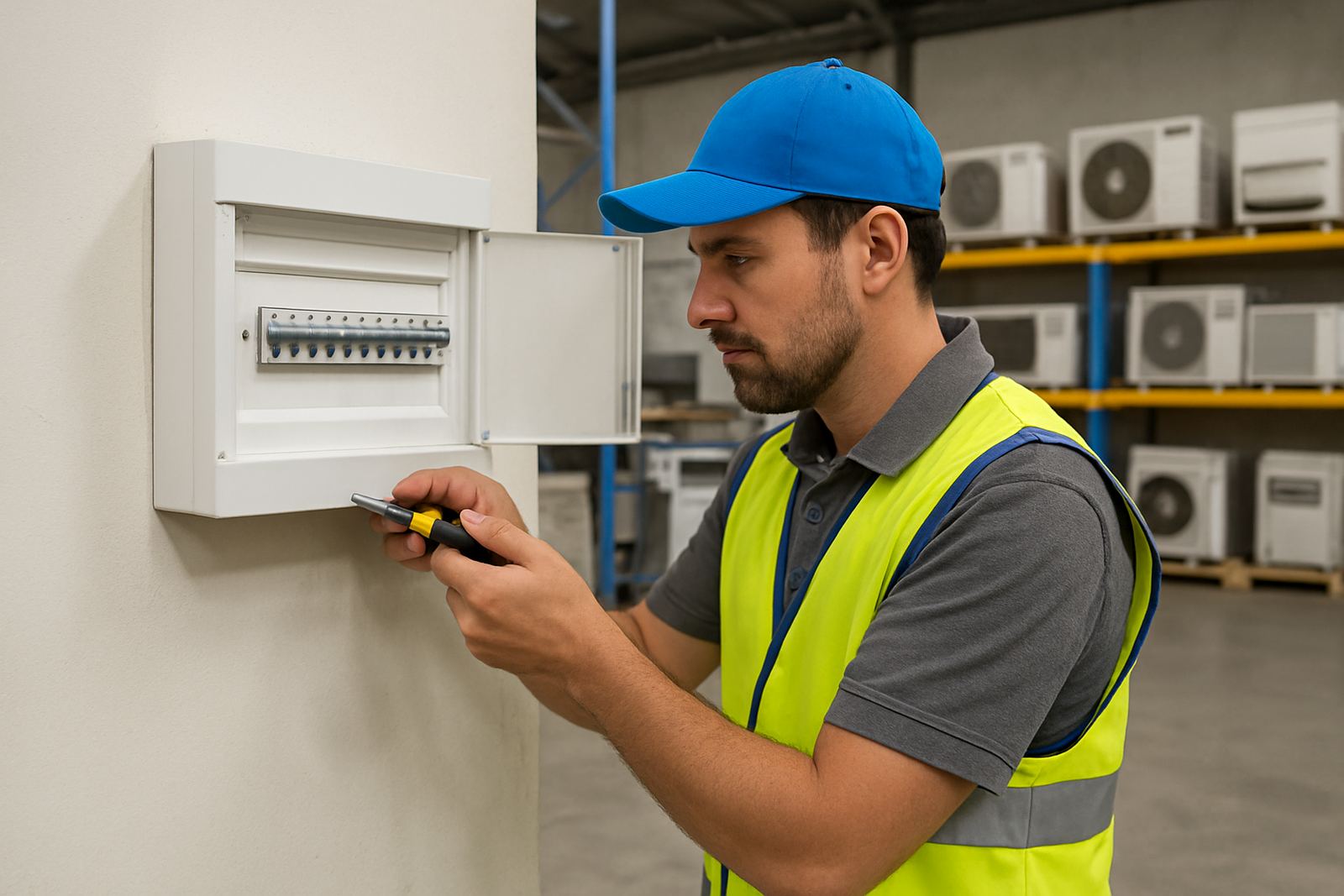
Loose front panels and service covers are another common one. The screws may be in place, yet the clip has not seated properly after cleaning or servicing. The result is a repeated rattle that sounds like something serious. We always check the casing first before moving on to compressors or motors, because it is quicker to sort and cheaper for the client.
If the noise changes when the fan speed changes, the problem could be vibration transfer rather than a failing part. This is where a careful inspection helps. A quick listen from the ground is not enough, you need to check the whole mounting path from the wall to the base and back to the pipe set.
When the fan itself is the source of the noise
A scraping or ticking sound often points to the fan blades or motor. If a blade is bent, cracked or out of balance, it can catch the shroud as it spins. If the motor bearings are worn, the unit may make a low grinding sound that gets louder over time. Ignoring that can lead to a complete fan failure and overheating of the system.
Outdoor fan issues can also happen after storm debris, bird nesting material or leaves get pulled into the housing. Along the North West and in parts of Rustenburg, we see this after windy spells when the unit has been mounted low and the guard is missing or damaged. The fan may still turn, but not cleanly, and that is when the noise starts.
- Switch the unit off if the sound becomes scraping or metallic.
- Do not poke tools through the grille while the fan is moving.
- Check for visible damage to the blades, grille or motor mount.
- If the fan is wobbling, it needs a proper inspection before further use.
Power issues and dirty coils can add strain and noise
Load-shedding and repeated power cuts place extra stress on air-conditioners. After power returns, a unit may start up under load and make more noise than usual for a few seconds. That does not always mean damage, but if the sound continues, there could be an electrical issue, a struggling compressor or a fan motor drawing uneven power.
Dirty condenser coils can also contribute. When the outdoor coil is clogged with dust, cotton fluff or grass cuttings, the unit works harder to push heat out. That added strain can increase vibration and make existing faults more noticeable. We often recommend scheduled servicing before the hot season so the system is cleaned, checked and ready for daily use.
A noisy unit is not just an annoyance. It can point to poor heat rejection, higher running costs and shorter equipment life. If the system is overworking, the sound is often the first warning sign.
A practical example from Mbombela and Klerksdorp
One recent call in Mbombela involved a split system at a small office near the business centre. The client said the outdoor unit made a banging noise every afternoon. On site, the issue was not the compressor at all. The wall bracket had been fitted level, but the pipe set was hard against the plaster and the vibration was travelling straight into the wall. Once we re-routed the pipes and added proper isolation, the noise dropped immediately.
In Klerksdorp, a home owner had a different problem. The unit sounded like a loose fan cage, but the cause was a worn motor bearing combined with a dirty condenser. The fan was still running, just not smoothly. That system needed fault finding, cleaning and replacement of the failing part before it could be trusted again. In both cases, the owner thought the whole unit was finished, but the fix was more specific.
When to call for fault finding and service
If a noisy outdoor unit is getting louder, vibrating through the wall or tripping after start-up, it is time for proper fault finding. A trained technician can check the mounting, fan motor, blades, electrical components and gas side pressures before the fault spreads. That saves time and often prevents a larger repair.
For homes and businesses in Mbombela, White River, Hazyview, Klerksdorp, Potchefstroom and Rustenburg, we can assist with site assessments, new installations, replacement units, scheduled servicing, gas top-ups, deep cleaning and system commissioning. If you are hearing a buzz, rattle or scrape, do not wait until the unit gives up completely.
A small noise today can become a failed fan or damaged compressor tomorrow, and that gets expensive quickly.