What a Heat Pump Split Does in Daily Use
A heat pump split is a reverse-cycle air conditioner. In cooling mode it removes heat from the room and sends it outside. In heating mode it reverses that process and brings warm air indoors. That makes it a practical choice for Mbombela mornings, Highveld cold snaps in Klerksdorp, and those in-between days when you need both comfort and better control over running costs.
The indoor unit mounts on the wall and the outdoor unit sits outside the building. The two are linked by copper pipework and electrical cabling. Once installed, the system can hold a steady room temperature better than a portable unit, and it does not need open windows or constant moving around. For bedrooms, reception areas, consulting rooms and small offices, that is often the main reason customers ask for a heat pump instead of a cooling-only split.
Because the unit works as both heater and cooler, it helps reduce the need for separate appliances. That also means fewer plugs, less clutter, and less strain on a site that already has lights, computers and fridges running at the same time.
Sizes, Capacities and Model Options We Commonly Supply
Heat pump splits are usually selected by room size, ceiling height, sun exposure and how many people use the room. Common wall split sizes include 9,000 BTU, 12,000 BTU, 18,000 BTU, 24,000 BTU and 30,000 BTU units. In practice, a 9,000 BTU unit often suits a small bedroom or study, while 12,000 BTU and 18,000 BTU models are more common in lounges, small offices and medium retail spaces. Larger rooms, double-volume areas and open-plan spaces may need 24,000 BTU or more.
Not every space needs the same finish or feature set. Some customers want a basic manual-controlled unit for a back office or staff room. Others prefer units with remote control, sleep mode, timer functions, auto restart after power loss, and quiet indoor operation for meeting rooms or bedrooms. In coastal and humid areas, a good anti-corrosion coating can also be worth asking for, especially where salty air and summer moisture are part of daily life.
- 9,000 BTU for compact rooms and single bedrooms
- 12,000 BTU for average bedrooms, small offices and studies
- 18,000 BTU for family rooms, larger offices and consulting rooms
- 24,000 BTU and above for open-plan or high-use areas
Where a Heat Pump Split Suits Best
This type of unit suits homes, guest houses, clinics, shop front offices, boardrooms and small commercial spaces where heating is needed for part of the year and cooling is needed through summer. In the Lowveld, customers often want cooling first, but winter heating still matters early in the morning and at night. In places like Potchefstroom, Rustenburg and Klerksdorp, the winter heating side gets used much more often, so the reverse-cycle function adds real value.
It is also useful where you want one stable solution instead of standing heaters, oil heaters or fans moved from room to room. Those temporary options can be noisy, expensive to run, and awkward when load-shedding or voltage dips interrupt the day. A split system with a proper installation gives a much neater result and a better feel in the room. It is especially handy for tenants and owner-occupiers who want comfort without changing the whole building layout.
- Bedrooms and family rooms
- Small shops and pharmacies
- Medical rooms and admin offices
- Guest units and rental rooms
Installation, Power Supply and Pipework Checks
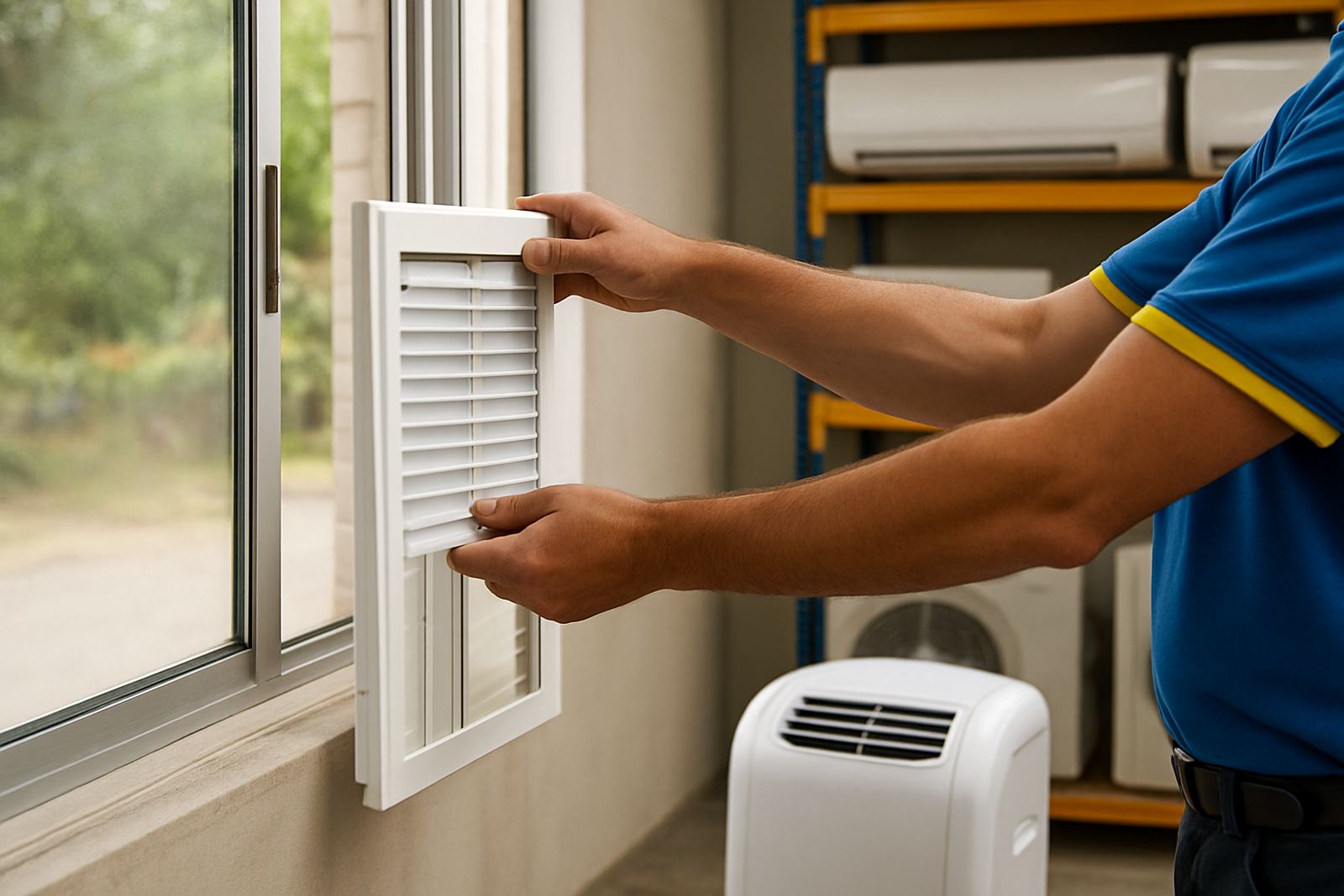
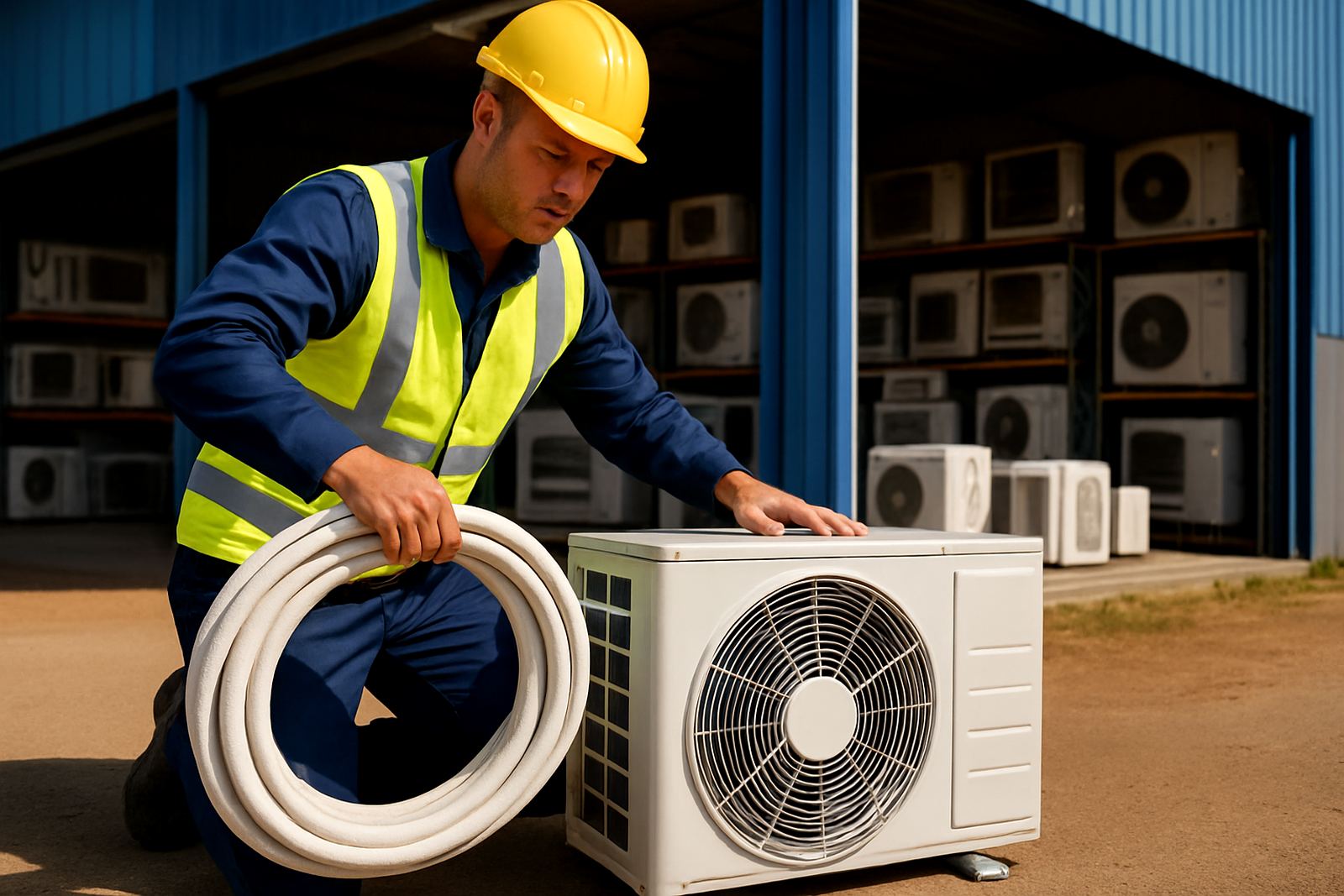
Installation matters just as much as the unit itself. Our team handles site assessments, new installations, cassette fitment where needed, replacement units and system commissioning in Mbombela, White River, Hazyview, Klerksdorp, Potchefstroom and Rustenburg. We check where the indoor unit will throw air best, where the outdoor unit can breathe properly, and how to route the pipework without creating drainage problems or ugly runs along the wall. A neat job lasts longer and gives fewer call-backs.
Most heat pump splits need a suitable power point or dedicated circuit, depending on the size and the site load. Larger units may require a stronger electrical supply and proper isolation. We also check for correct gas charge, correct pipe length and a sound vacuum before commissioning. If the unit is installed badly, the heating side can suffer just as much as the cooling side, so it is worth getting the basics right from the start.
For businesses with sensitive stock or staff comfort needs, we can also advise on placement around doors, glass fronts and direct sun. A unit placed in the wrong spot will fight the room all day, and that means higher use and less even temperatures.
Care, Servicing and When to Book Maintenance
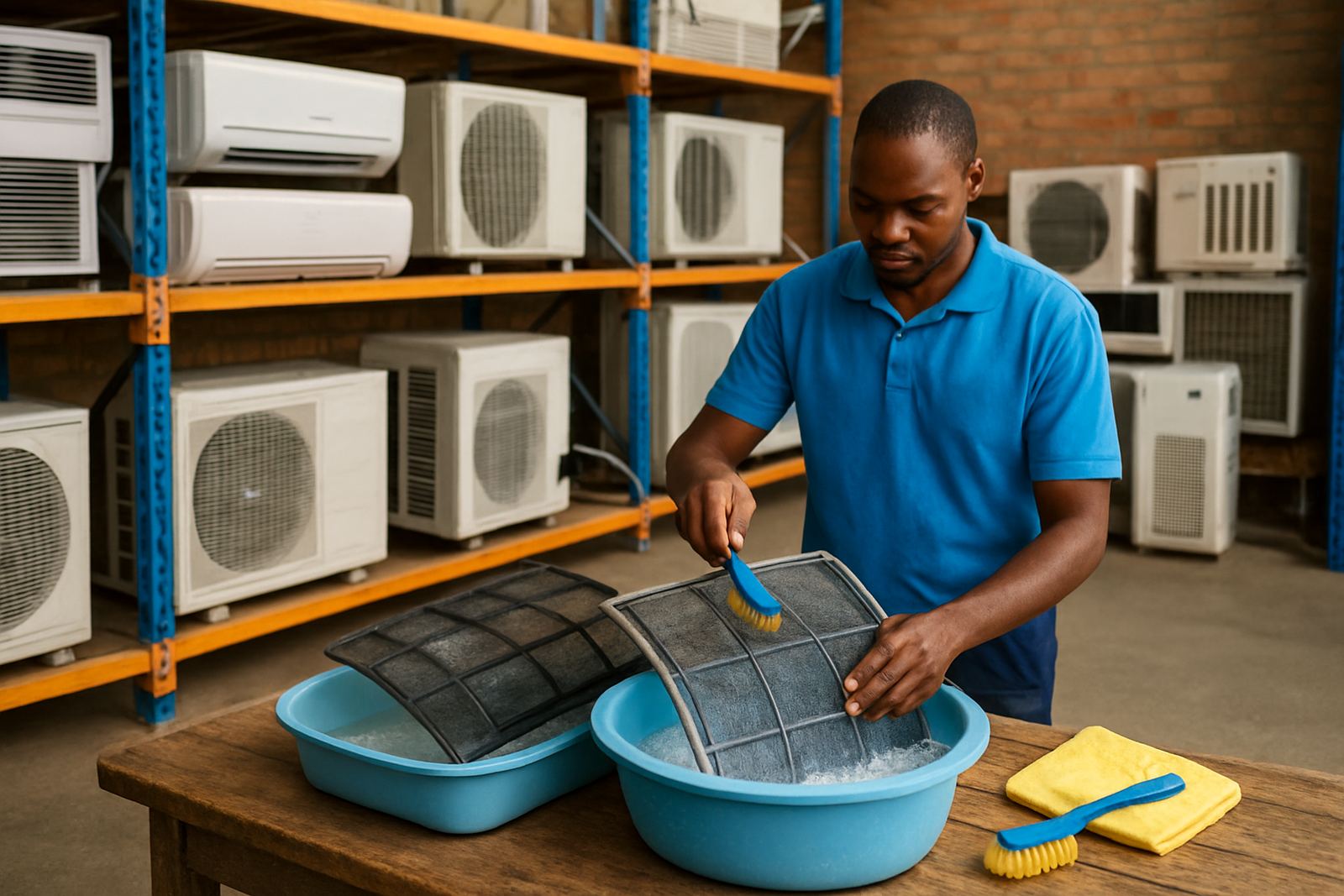
A heat pump split needs regular care to keep both modes working properly. Dust on filters, blocked drains and dirty coils reduce airflow and make the system work harder. In humid Lowveld conditions, that can lead to musty smells and water dripping inside. In dusty North West sites, the filters can clog faster than expected, so monthly checks are worth it.
Scheduled servicing should include filter cleaning, indoor and outdoor coil cleaning, drain checks, gas pressure checks, electrical inspection and a general performance test. If the unit runs all day in an office or retail shop, a service once or twice a year is a sensible schedule. If the room has dogs, building dust or high foot traffic, more frequent cleaning may be needed. Small issues picked up early are usually cheaper to sort than a full repair later on.
- Clean filters every 2 to 4 weeks in dusty areas
- Keep the outdoor unit clear of leaves, boxing and wall obstructions
- Check for water leaks, weak airflow or unusual noise
- Book gas top-ups only after a leak check and fault finding
What to Check Before You Place an Order
Before ordering, work out the room size, the ceiling height, the number of windows and how much direct sun the room gets. A north-facing room in summer can need a bigger capacity than the same-sized room on a shaded side. Also check how many people will use the space, whether doors stay open, and whether the room must warm up quickly after load-shedding or cold mornings. These details affect the final size more than many people expect.
You should also check the mounting wall, drain route, power point position and whether the outdoor unit will stand on brackets, a slab or a roofed service area. If the building has generator power or inverter backup, that matters too. Not every system will suit every backup set-up, and it is better to ask before buying than to find out on the day of fitment. When in doubt, send through the room details and we can advise on the best option for the site.
For trade buyers and end users alike, the aim is the same: the right size, correct installation, and a unit that cools well in summer and heats properly in winter without wasting power.
Key facts
| Product type | Reverse-cycle wall split air conditioner |
|---|---|
| Functions | Cooling and winter heating in one unit |
| Common capacities | 9,000 BTU to 30,000 BTU, subject to room size |
| Power needs | Standard mains supply, larger units may need a dedicated circuit |
| Installation | Indoor wall unit with outdoor condenser, copper pipework and drainage |
| Typical use | Homes, offices, shops, guest units and consulting rooms |