A compact wall split for smaller rooms
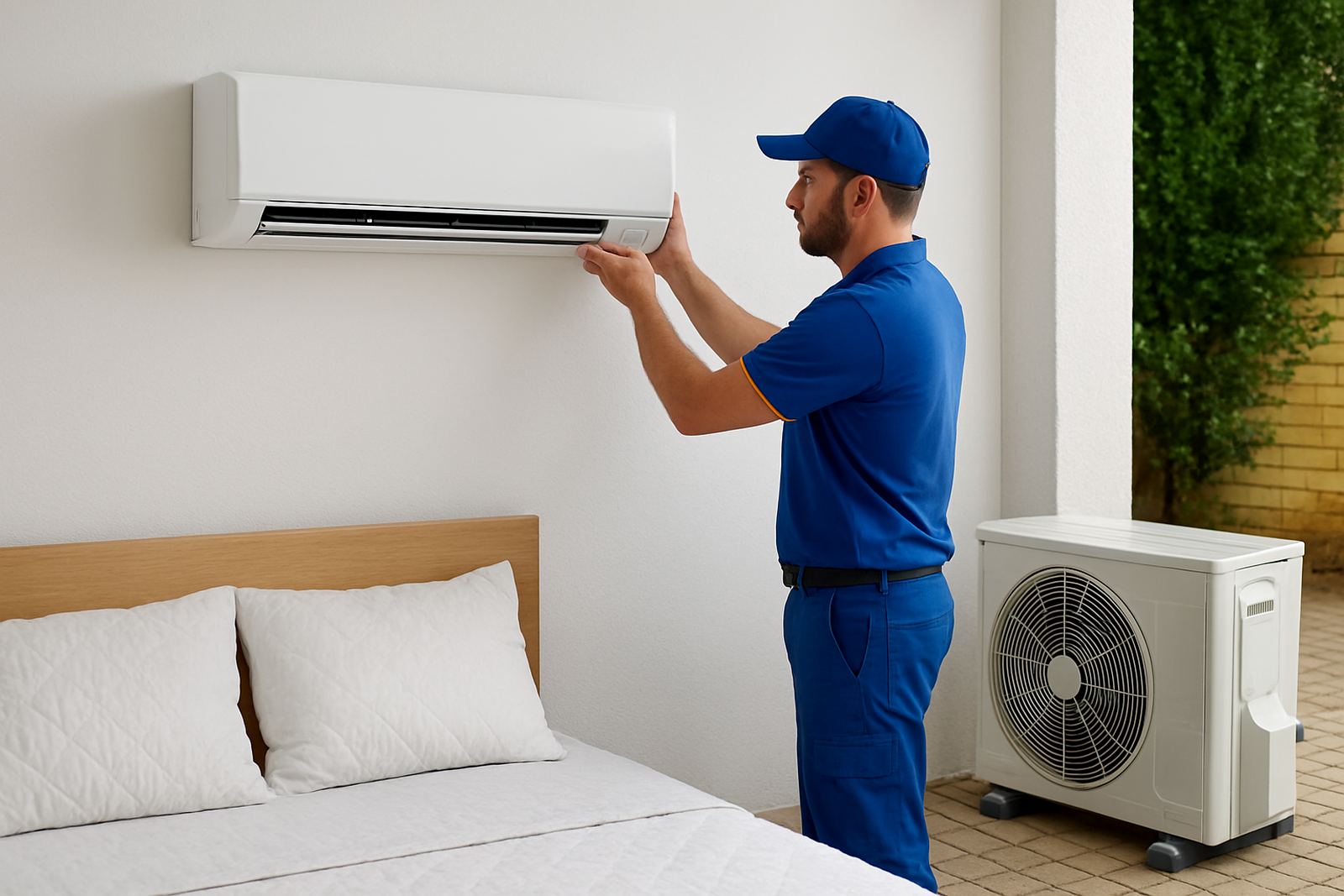
A 9000 BTU wall split is the size many households and small businesses choose when they need dependable cooling without paying for more capacity than the room needs. It fits neatly high on an internal wall, moves the warm air out through the outdoor unit, and gives steady control over temperature through a simple remote. For a room that gets afternoon sun, or a small office with one or two people, this size is often enough when the insulation is reasonable and the doors stay closed. It is a sensible option for anyone who wants cooler air without the bulk of a bigger system.
Because it is a split system, the noisy working parts stay outside and the indoor unit stays quiet enough for sleeping, studying and calls. In practical terms, that matters in homes where load-shedding already disrupts routines and people do not want a unit that starts up with a fuss. The 9000 BTU size is also a good match for outbuildings, reception rooms and compact apartments where there is no need for large airflow.
Typical sizes, finishes and control options
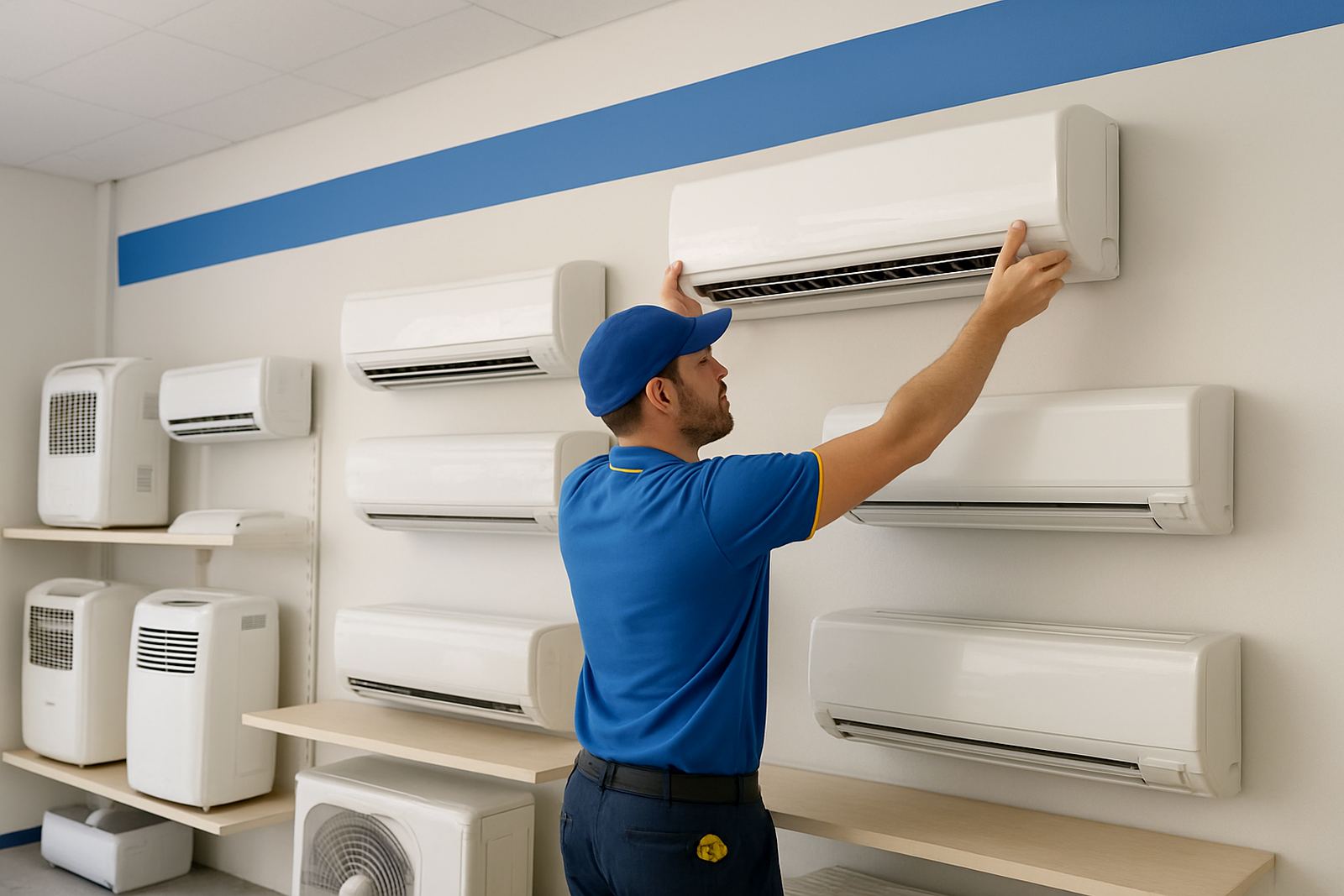
We supply 9000 BTU wall splits with the usual features buyers ask for, including cooling only or cooling and heating, depending on the model. Some units have basic manual settings, while others offer more control over fan speed, swing direction, timer functions and sleep mode. The indoor casing is generally slim and white so it sits neatly against most wall colours without drawing attention.
- Capacity: 9000 BTU, suitable for smaller spaces
- Mode options: cooling only or cooling and heating
- Indoor unit: wall-mounted, compact profile
- Controls: remote control with temperature and fan settings
- Installation: requires outdoor unit, pipe run and drainage
For trade customers, it helps to know whether the room needs a basic cooling unit or a more flexible model that can also warm the room on colder Lowveld mornings or winter days in the North West. Not every room needs every function, so choosing the right option upfront avoids extra cost later on.
Where a 9000 BTU unit works best
This size is best used in small bedrooms, single studies, one-person offices, compact consulting rooms and similar spaces. In Mbombela and White River, it suits bedrooms that need relief from humid summer nights. In Klerksdorp, Potchefstroom and Rustenburg, it is often chosen for smaller offices, reception rooms and garden flats where the goal is to keep the air comfortable without overdoing the running cost.
Room layout matters. A 9000 BTU unit performs better where there is not too much glass, no open plan spill-over and limited heat from printers, servers or cooking equipment. If a room faces direct sun all afternoon, has high ceilings or stays open to a passage, it may still need a larger unit. That is why we recommend a site assessment before ordering where possible. A quick check on room size, insulation and window placement can save a lot of back and forth.
- Best for rooms roughly up to 15 m2 to 18 m2, depending on heat load
- Good for closed bedrooms, studies and small office rooms
- Less suitable for open-plan areas or rooms with heavy sun exposure
- Useful in homes, guest rooms and small business spaces
Installation, power and gas requirements
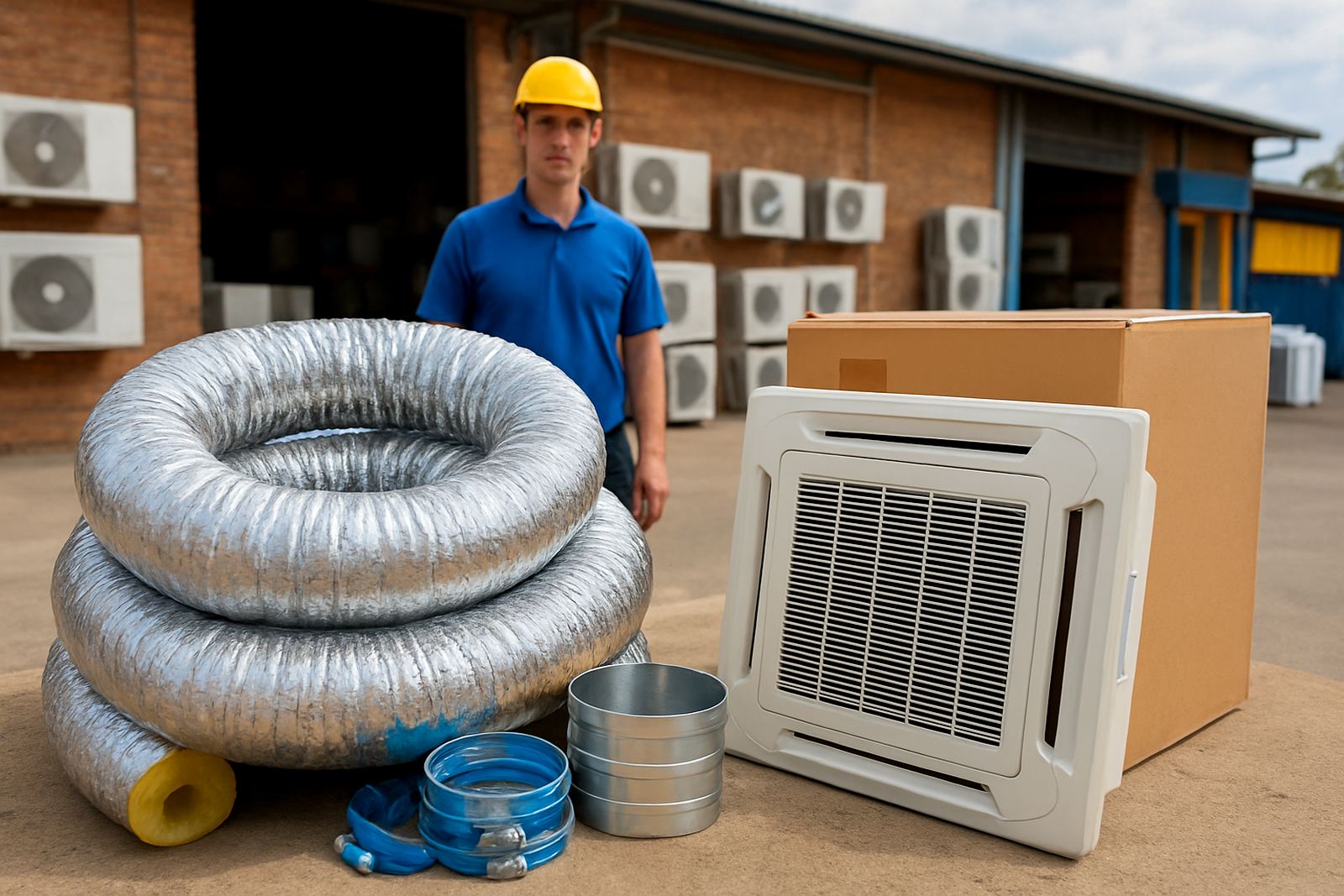
Correct installation makes a big difference to how well a small wall split performs. The indoor unit needs a solid wall, enough clearance above and around it, and a neat drainage path for condensation. The outdoor unit must stand on brackets or a base where it can breathe freely and stay clear of rain splash, dust and blocked airflow. In coastal humidity or dusty inland yards, careful placement helps reduce future wear and tear.
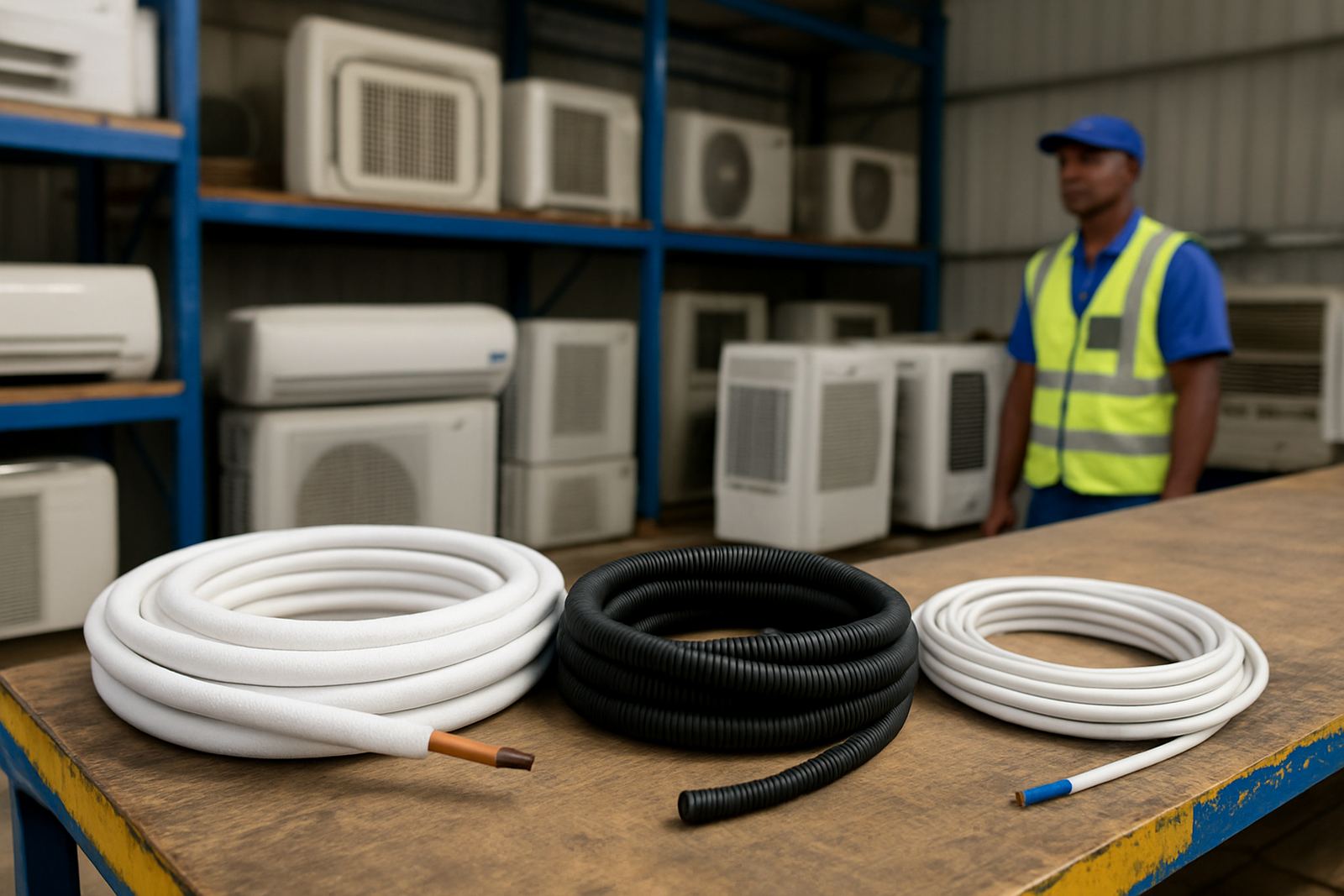
Most 9000 BTU units need a suitable electrical supply and a dedicated circuit that matches the unit's load. In many homes and offices, a qualified installer will check the breaker size, cable route and isolation point before starting. Gas piping also has to be the correct size, with proper flaring, pressure testing and commissioning so the unit cools as intended. If the line set is too long or poorly fitted, performance drops and the unit can start to ice up. That is a problem nobody wants when the heat is already pushing hard.
- Wall mounting and outdoor placement must suit the room and building layout
- Drainage should be planned so water does not drip onto walkways or walls
- Electrical supply needs checking before fitment
- Gas line length and pipe sizing should be confirmed during quote stage
- Commissioning includes leak checks and proper start-up testing
Keeping the unit clean and running properly
Like any air-conditioner, a 9000 BTU wall split needs regular care if you want it to keep cooling well. Filters should be cleaned often, especially in homes with pets, nearby dust or constant windows opening and closing. A blocked filter forces the unit to work harder, pushes up power use and can make the room smell stale. Deep cleaning of the indoor coil and drainage tray is also worth doing when dust, mould or drip marks start showing.
We recommend scheduled servicing before peak summer use, especially for units in Mbombela and the Lowveld where humidity can leave moisture inside the system, and in the North West where dust can build up fast. Servicing should include gas pressure checks, electrical checks, fan inspection and drainage cleaning. If the unit is blowing weak air, making unusual noise or dripping inside, it is better to deal with it early than wait for a bigger repair. A small fault can become an expensive one if ignored for too long.
What to confirm before you place an order
Before ordering, confirm the room size, whether you need cooling only or cooling and heating, and where the outdoor unit can sit. It also helps to know if there is an old unit being replaced, because an existing pipe route or wall opening can affect the installation plan. If the room has unusual heat gain, such as a west-facing window or a ceiling higher than normal, mention that at quote stage. That way the right capacity and fitment plan can be matched to the job.
We also suggest checking access at the property. Narrow passages, ladders, high walls and roof-to-wall pipe runs can all affect labour and materials. For offices, body corporate rules or landlord approval may also come into play, especially where external brackets or drainage routes are visible. Clear details up front help keep the job moving smoothly and avoid delays on site.
- Room size and sun exposure
- Cooling only or cooling and heating
- Power supply and breaker capacity
- Wall space for indoor unit and outdoor unit location
- Need for replacement, new install or pipe extension
- Any site access or approval issues
Key facts
| Product type | 9000 BTU wall split air-conditioner |
|---|---|
| Best use | Small bedrooms, studies and single offices |
| Installation type | Indoor wall unit with outdoor condenser |
| Cooling range | Suitable for compact rooms, depending on heat load |
| Power requirement | Must be checked against site electrical supply |
| Services available | Supply, installation, commissioning and servicing |