Start with the room count, not the room name
A classroom cooling plan should begin with how many people sit in the room, how often the door opens, and what the room is used for. A Grade 4 room with 34 learners, a whiteboard projector and afternoon sun on one wall needs a different solution from a small remedial room or a computer room. In Mbombela and White River, summer humidity can push the felt temperature up quickly, so a unit that only just covers the room will struggle by 10 am.
Do not guess from floor size alone. Ceiling height, window area, roof exposure and wall direction all matter. A corner class room facing west can hold far more heat than an interior room of the same size. If the room gets sun from noon onward, factor that in before choosing wall splits or a cassette unit.
- Count normal occupancy, then add for visitors, teachers and helpers.
- Note direct sun on windows and roof exposure in the afternoon.
- Check whether doors stay open between lessons.
Why overloading a small unit causes trouble later
It is tempting to install a smaller unit to save on the first invoice, but that often leads to complaints, short cycling and higher power use. A unit that runs flat out all day cools unevenly, leaves hot pockets near the windows and gets noisy. Learners near the front may feel chilled while those at the back still sweat. That makes concentration worse, not better.
For schools on a tight maintenance budget, the better choice is usually a correctly sized unit with sensible controls and proper installation. The right pipe length, drainage fall and bracket height matter as much as the capacity on paper. In dusty towns like Klerksdorp, and in areas where windows stay shut because of traffic noise or security, the system must be able to move air properly and handle frequent use.
- A unit that is too small works harder and wears faster.
- Uneven cooling creates complaints and extra service calls.
- Correct sizing helps reduce running costs over a term.
Placement inside the room makes a real difference
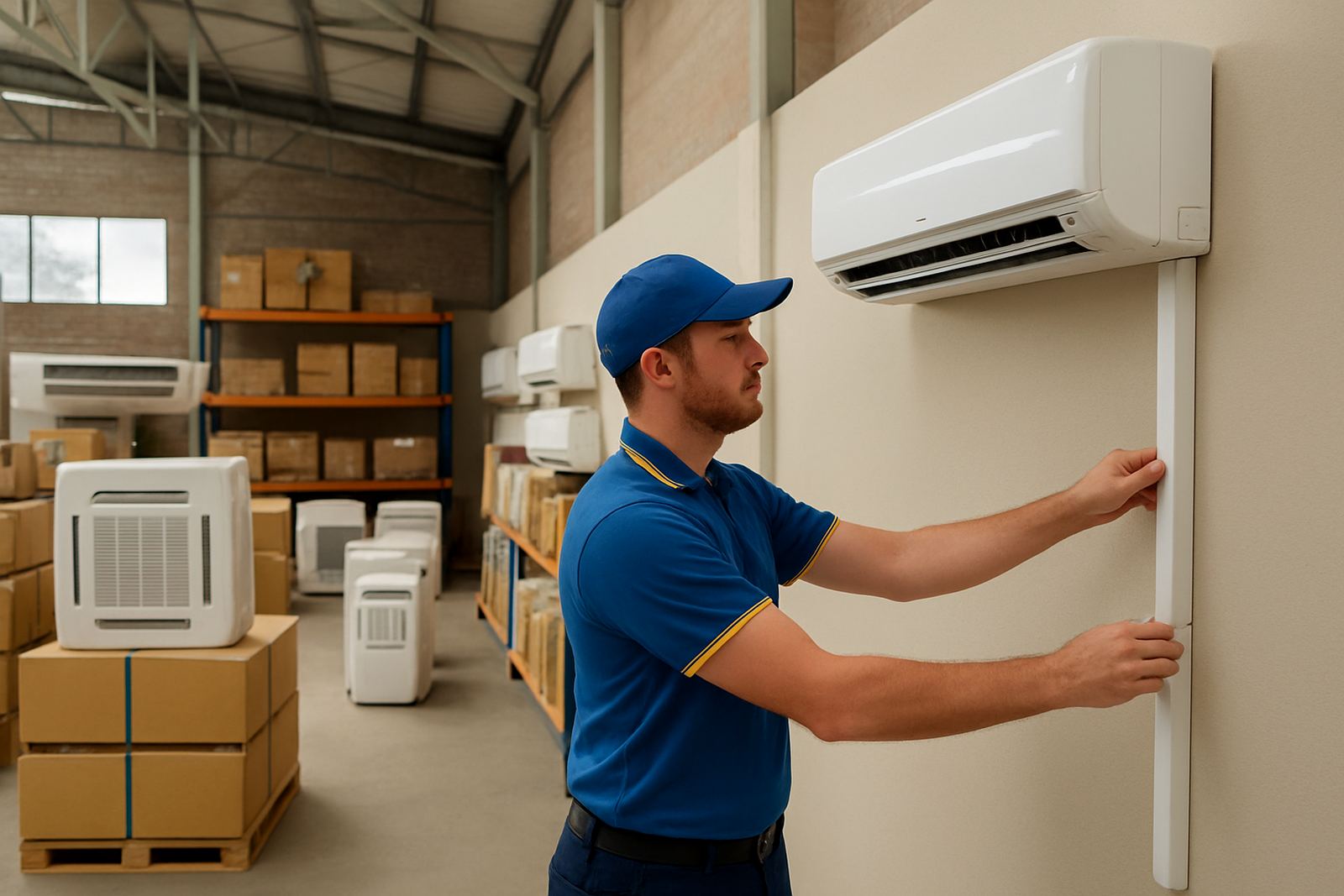
Where the unit is mounted changes how the room feels. Wall splits work well when air can sweep across the length of the class without blowing directly on learners. Cassettes suit rooms where the centre of the ceiling gives better spread, especially in long classrooms, halls or tuck shop spaces used for lessons. The goal is even air movement, not a blast over one row of counters. Sorry, one row of chairs and tables.
Try to keep the indoor unit away from the main board area and away from direct sunlight where possible. If the teacher has to stand under the unit for long periods, the room can feel cold near the front while the back stays warm. In older school buildings around Potchefstroom and Rustenburg, a proper site assessment helps avoid placing the unit where beams, lighting or ceiling height will cause issues.
- Wall splits suit many standard classrooms and smaller offices.
- Cassettes help spread air more evenly in larger rooms.
- Avoid blowing directly onto learners, especially in winter mornings.
Power cuts, generators and school timetables
School cooling must fit the reality of load shedding and generator use. A room that cools beautifully on grid power but trips the supply when the generator starts is not practical. Ask for a system plan that suits the school’s electrical setup, including restart behaviour after an outage. Some schools only need cooling during the hottest teaching blocks, while others want the room ready before assembly or exam sessions.
Timers and sensible settings help keep costs in check. For many classrooms, 23 to 25 degrees is enough when the unit is sized correctly. Set it too low and the compressor works too hard. Set it too high and the room never settles. In summer, keeping blinds closed and doors managed between periods can make as much difference as the machine itself.
- Confirm whether the school runs on municipal supply, generator or both.
- Use timers so units do not run all night or after hours by mistake.
- Keep windows shut during cooling periods where security allows it.
Serving schools in the Lowveld and North West
Aircon Warehouse works from Mbombela and covers the Lowveld as well as Klerksdorp and parts of North West. That matters because schools in these areas face different conditions. Mbombela, White River and Hazyview deal with sticky summer heat and humidity. Klerksdorp, Potchefstroom and Rustenburg often deal with dry heat, dust and busy school days with lots of door traffic. The cooling plan must suit the site, not just the catalogue.
A local example is a primary school in Mbombela with two Grade 3 rooms, each holding more than 30 learners. The rooms had western sun in the afternoon and no ceiling insulation worth speaking of. The fix was not one oversize unit. It was a proper assessment, wall split fitment in the shorter rooms, careful drainage routing and a servicing plan before term three. The result was steadier room temperatures and fewer complaints from teachers and learners.
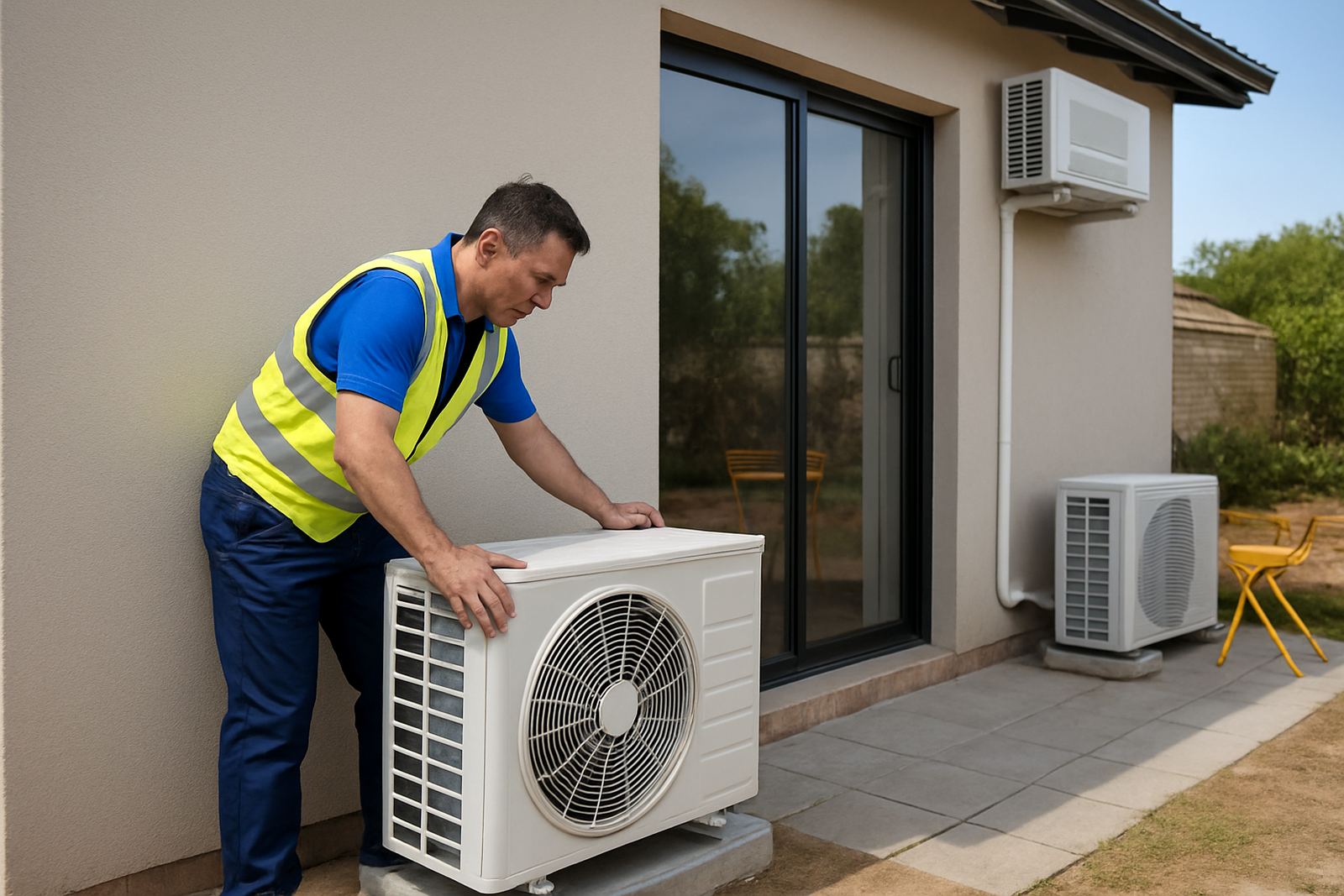
For schools in towns with high dust or coastal moisture, regular cleaning is not optional. Filters clog quickly and performance drops. Scheduled servicing, gas top-ups when needed and fault finding should be part of the yearly budget, not only an emergency call when the exam room is already too hot.
What to ask before you approve a school installation
Before any unit is signed off, ask for clear answers on the room size, expected occupancy and electrical loading. Also ask who will handle after-sales service, because schools cannot afford long delays when a classroom stops cooling in November. A good supplier will talk about placement, maintenance access and how the room will be used each day.
At Aircon Warehouse, the team includes Sipho Mandla Nkosi, Annelie van Wyk, Thabo Mokoena, Lerato Molefe, Johan Steyn and Nokuthula Dlamini. That means schools can get help with sales, installations, commissioning, servicing and admin from one place. For a quote or a site assessment, email trade@airconwarehouse.co.za.
- Ask for a proper site assessment before buying.
- Check the service plan for school holidays and term starts.
- Make sure the installation allows easy cleaning and maintenance.