What a trunking kit does on a split unit install
A trunking kit is the plastic cover system used to hide and protect the copper pipes, drain line and cable that run from the indoor unit to the outdoor unit. It gives a cleaner finish on bedrooms, offices, shops and homes, and it also helps shield the pipe work from sun, rain and accidental knocks. On a hot Lowveld wall or a windy Rustenburg outside run, that protection matters more than people think.
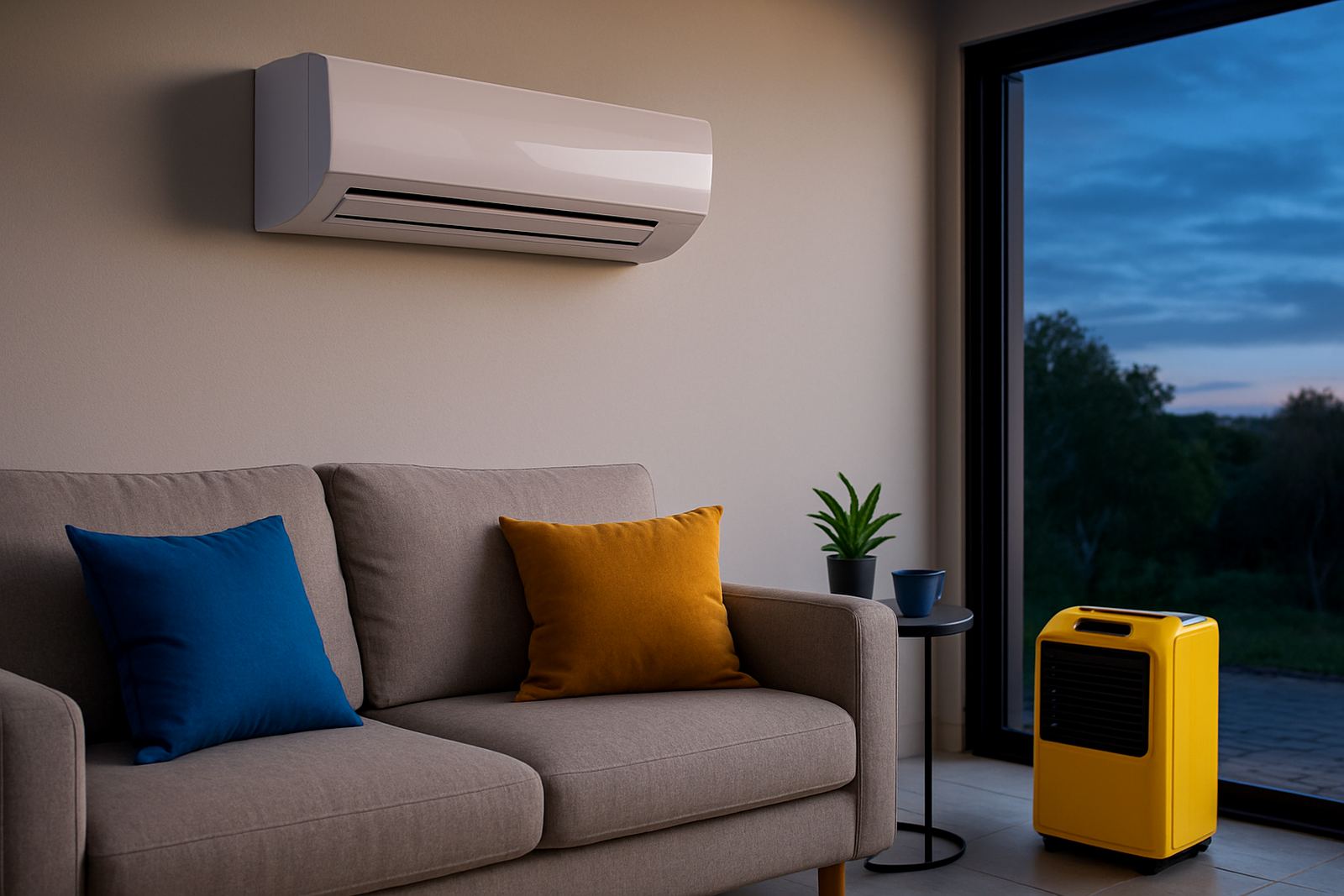
For wall split installations, trunking is usually fitted on the inside wall for a short drop and then carried outside to the condenser. It can be used on brick, plaster, painted block and many cladded surfaces. The kit is also useful on replacement jobs where old pipe runs need to be covered up after a unit change. A neat install is not only about looks, it makes future checks simpler and keeps the pipe line less exposed to damage.
We supply trunking for trade work, so the focus is on proper fit, practical sizes and a result that holds up in real use. If you are working in Mbombela, White River, Hazyview, Klerksdorp or Potchefstroom, the same rule applies: choose the right size first, because cramped trunking makes for a messy job and can put stress on the line set.
Sizes, lengths and the options to match the job
Trunking is usually selected by the size of the pipe set and how many services need to run together. Smaller wall splits can often use a compact profile, while larger units or longer routes need a wider channel. The right match keeps the lid closed properly and leaves room for insulation, bends and jointing.
Common options include straight lengths, bends, corners, end caps, couplers and wall plates. Some jobs need a full length of exterior cover from the indoor point to the outdoor condenser. Others only need a short section to tidy up the final visible run. On some commercial fitments, especially where a cassette is linked by a visible route, the installer may need multiple pieces to work around beams, parapets or service ducts.
- Compact trunking for smaller wall split pipe sets
- Medium and larger profiles for bulkier line runs
- Straight lengths for long wall runs
- Internal and external corners for neat direction changes
- End caps and joiners for a finished edge
- Accessory pieces for tidier transitions at the wall and unit
When sizing, it helps to know whether the line set is standard or a bit thicker due to the unit size. If the route includes a drain pipe and electrical cable as well, allow extra room. Tight packing can pinch insulation or make the lid sit proud, which looks untidy and can be a nuisance later on.
Where trunking suits best in Mbombela and North West
Trunking is a good choice wherever the pipe work is visible and needs protection from weather or day-to-day wear. In Mbombela and the wider Lowveld, many installs face strong sun and heavy summer rain, so external pipe runs benefit from a cover that helps reduce UV exposure. In Klerksdorp, Rustenburg and the North West, dust and heat can also wear on exposed lines over time. The right cover helps keep things orderly and less vulnerable.
It suits homes, guest lodges, shops, offices, clinics and workshops. For landlords and body corporates, a neat cover can also help keep a property looking tidy after a new installation or equipment change. On older buildings, trunking is often used to bring a repair or replacement line up to a standard finish where the original route was left open.
- Bedrooms and living rooms where visible pipe work needs a cleaner look
- Shops and small offices that want tidy external wall runs
- Guest houses and lodges where presentation matters
- Rental properties where the install must stay protected
- Commercial units with pipe runs around beams or parapets
If the wall is rough, uneven or exposed to regular spray from rain, it is worth planning the route properly before fixing the trunking. A small change in line position can make the finished result much better. It also helps to check whether there are gutters, security bars or service cables in the way, because that kind of site detail often gets overlooked till the last minute.
Installation points, power and gas line considerations
Trunking itself does not carry power or gas, but it must allow safe space for the refrigerant pipes, control cable and drain line that form part of a split system. The installer needs enough room for the insulation on the copper lines and for the pipe bends to sit without kinking. If the run is forced too tight, the insulation can compress and the lid may not close flush.
For new installs, the route should be planned before drilling and fixing. That means checking the indoor unit position, the outdoor unit position, the slope needed for drainage and the best line for the pipe run. On some sites, the route may need to step over a lintel or under a roof overhang. In those cases, bends and couplers make the job easier than trying to force one straight piece to do everything.
Where replacement units are fitted, existing pipe lines must be checked for condition, length and size before the new trunking is chosen. A good fit keeps the line protected and makes future service work easier. If there is a weak spot in the pipe insulation or an old wall hole that has shifted, sort that out at the same time. It saves trouble later, and it looks better too.
Care, servicing and what keeps the finish looking right
Trunking needs very little maintenance, but a quick check now and then helps. Look for loose clips, cracked lids, faded sections and water marks around joints. In direct sun, some plastics can age faster, especially on west facing walls. If a section has been hit by a ladder, garden tool or moving furniture, replace it before it opens up and starts letting in dust or water.
During scheduled servicing, the technician should confirm that the trunking has not been pinching the drain line or rubbing against the copper. That is a small thing, but it can become a bigger issue if ignored. The same goes for any screws or fixings that have come loose in the wall after vibration from a nearby outdoor unit.
If the unit is being deep cleaned or the gas charge is being checked, the trunking should be opened carefully and closed properly afterwards. A poor re-fit can leave gaps that spoil the finish. For homes near the coast or in damp areas, it is worth keeping an eye on any trapped moisture and clearing out debris around the lower end of the run.
What to check before you order trunking
Before ordering, measure the full route and note every bend, join and change in direction. Do not rely on a quick visual estimate, because the wall may need more length than expected once the path is set out. It also helps to confirm whether the run is internal, external or a mix of both, since that affects the accessories needed.
- Total run length in metres, including waste allowance
- Pipe set size and whether insulation is already on the lines
- Number of bends, corners and join points
- Indoor and outdoor wall finish, such as plaster, brick or cladding
- Exposure to sun, rain, dust or coastal humidity
- Whether you need straight lengths only or a full fitting kit
If you are ordering for a site in Mbombela, White River, Hazyview, Klerksdorp, Potchefstroom or Rustenburg, send the unit size and a clear picture of the route if you can. That usually helps avoid the wrong profile being supplied. We stock trunking for trade supply and can help match the kit to the install, whether it is a fresh fitment or a replacement job that needs a cleaner finish.
Key facts
| Product type | Protective trunking kit for air-conditioner pipe runs |
|---|---|
| Typical use | Wall split installations and replacement line covers |
| Available profiles | Compact, medium and larger trunking sizes |
| Typical components | Straight lengths, bends, corners, couplers and end caps |
| Material | Rigid plastic cover sections for indoor and outdoor wall use |
| Coverage area | Mbombela, the Lowveld, Klerksdorp and North West |