What an isolator switch does on an aircon install
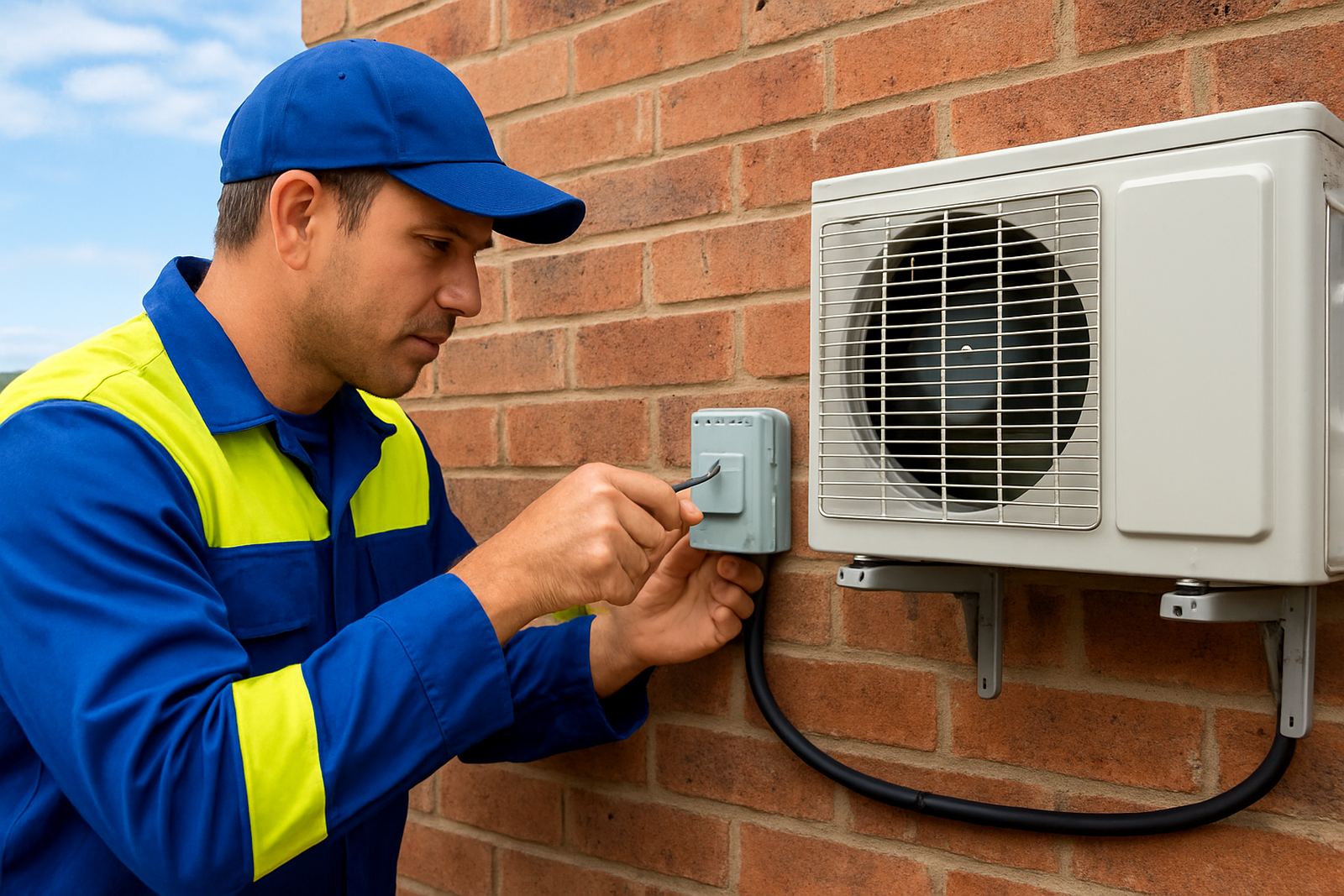
An isolator switch is a local power cut-off fitted close to the outdoor unit so the system can be made dead before any work is done. In simple terms, it lets a technician or owner isolate the unit without going back to the main board every time. That matters for safe servicing, gas top-ups, fault finding and compressor work, where the unit must be fully off before covers are opened.
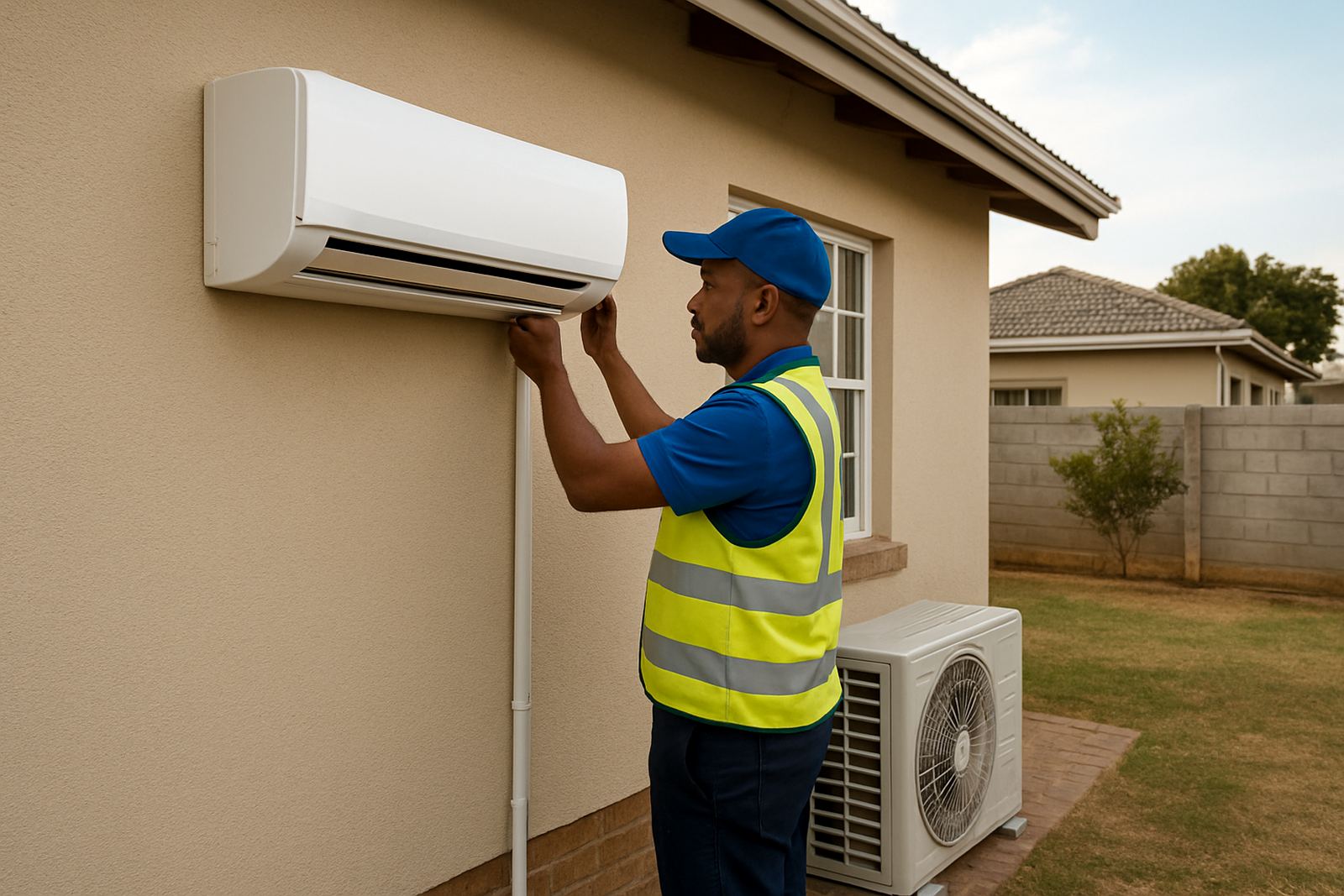
On split systems, the switch is normally mounted outside near the condenser, in a weather-resistant enclosure. It is not there to control the aircon during normal use, it is there for safety and maintenance. In places like Mbombela, White River, Hazyview, Klerksdorp and Rustenburg, a proper outdoor isolator helps protect the connection point from rain, dust and strong summer humidity.
Sizes, ratings and common options
We supply isolator switches for typical single-phase and selected heavier-duty applications. The right size depends on the unit’s current draw, the cable size and the way the installer has planned the circuit. A small wall split will use a different rating to a larger cassette or multiple units on one supply. The switch must match the installation, not just the box size.
Common options include:
- Single-phase isolators for most domestic and light commercial wall splits
- Weatherproof outdoor enclosures for exposed walls and boundary installs
- Lockable types for safer maintenance on business premises
- Higher-rated units for larger systems where the current draw is greater
- Single pole and double pole versions, depending on the circuit design
For trade orders, it helps to have the unit capacity, supply type and cable size on hand. If the old isolator is burnt, cracked or water-damaged, replace it rather than trying to re-use a suspect fitting.
Where an isolator switch suits best
An isolator switch is suitable anywhere an outdoor unit needs a safe, local disconnect point. That includes homes, shops, offices, clinics, guest houses and workshop spaces. It is especially useful when the outdoor unit is mounted high on a wall, on a roof structure or in a spot where access to the main distribution board is awkward.
It is also a practical choice in coastal humidity and in dusty inland areas, where covers and terminals need regular attention. In Rustenburg and Potchefstroom, dust and dry heat can work into fittings over time. In the Lowveld, summer rain and moisture can do the same. A good isolator housing helps reduce trouble at the power point, although it still needs to be checked during servicing.
- Wall split outdoor units
- Cassette systems with external condensers
- Portable units with fixed power connections where allowed
- Replacement units on older installations
Installation and power requirements
Fitting an isolator switch is not just a matter of screwing a box to the wall. The installer must check the circuit protection, cable route, cable size and the outdoor location. The isolator should be positioned where it can be reached quickly, but still protected from direct water spray and accidental damage. On some sites, a shaded position under a slab or eave is better than full sun and rain exposure.
Power needs must be matched to the aircon unit. If the circuit is undersized, the switch and cable can run hot and fail early. If the termination is loose, you can get tripping, burnt terminals or intermittent faults that are hard to trace. During installation we check the supply, confirm the unit details and make sure the isolator suits the job first time, no guess work.
- Confirm voltage and phase before ordering
- Check the current rating against the unit data plate
- Use the correct cable and breaker size
- Allow safe access for future servicing
- Keep the enclosure clear of standing water and plant growth
Care, servicing and signs of wear
An isolator switch needs less attention than the aircon itself, but it should still form part of scheduled servicing. Over time, sun, moisture, dust and repeated switching can affect the terminals and seals. During a routine service, the technician should check for cracked housings, rust on fixings, heat marks, loose screws and water entry. A sticky or discoloured switch is a warning sign.
If the aircon has been through repeated power cuts or lightning-related surges, inspect the isolator closely. Load-shedding and unstable supply can show up as damaged contacts or burnt points around the connection. If there is any sign of overheating, the switch should be replaced rather than patched up. A cheap repair today can become a bigger fault later on.
For commercial sites, include the isolator in a regular service plan together with the filters, fans, drain line and gas pressures. That gives a better view of the full system and helps prevent avoidable callouts.
What to check before you order
Before placing an order, it helps to confirm the full installation picture. The same-looking switch can have different ratings, enclosure types and connection styles, so a quick check saves time and wrong stock. If you are replacing a damaged item, photo the old unit, the label and the cabling if possible.
- Aircon type and capacity, for example wall split, cassette or portable setup
- Supply details, single-phase or other arrangement
- Current rating required for the outdoor unit
- Indoor or outdoor fitment location
- Whether a weatherproof enclosure is needed
- Condition of the existing cable, breaker and mounting surface
If you are unsure, send the unit details and site location to our team. We handle supply and installation in Mbombela, White River, Hazyview, Klerksdorp, Potchefstroom and Rustenburg, and can advise whether the isolator is being used for a new fitment or a replacement on an older system.
Trade supply and local support
Aircon Warehouse supplies isolator switches at trade prices from our Mbombela base, with North West coverage as well. We work with installers, contractors, property managers and owners who need the right parts without long delays. If the job is a new installation, a replacement unit or a service call, we can match the isolator with the rest of the setup so the system is safe and practical to maintain.
Our team includes sales, installations, service and warehouse support, so orders can be checked against the actual job requirements before dispatch. That is useful when a site has limited access, old wiring or a tight turnaround. For quoting and stock queries, email trade@airconwarehouse.co.za.
Key facts
| Product | Weather-resistant aircon isolator switch |
|---|---|
| Use | Local power disconnection at the outdoor unit |
| Typical application | Wall splits, cassettes and selected portable setups |
| Mounting | Outdoor wall mount near the condenser or service point |
| Options | Single-phase, weatherproof enclosure, lockable versions |
| Supply area | Mbombela, Lowveld, Klerksdorp and North West |