Older Barberton home, newer cooling expectations
The client was a private homeowner in Barberton updating an older family house that still relied on tired cooling equipment and standing fans in the worst heat. The brief was clear: improve comfort in the main living areas and bedrooms, keep running costs sensible, and avoid bulky equipment that would spoil the look of the rooms.
Barberton homes often deal with strong afternoon heat, dust, summer humidity and that stop-start use that comes with load-shedding. In this case the owner wanted a system that could handle regular daily use, cool down quickly after power returns, and run quietly at night. The existing layout also meant we had to work carefully around older finishes, limited wall space and a roof structure that had already been altered a few times over the years.
What the brief needed from the start
We began with a site assessment to check room sizes, sun exposure, wall strength, cable routes and likely drainage points. The house had a mix of rooms with different cooling loads, so a one-size answer would have been wasteful. The owner also asked for clean wall finishes, discreet pipe runs and simple controls that the family could use without much explaining.
The main challenge was balancing performance with restraint. Older homes can trap heat in ceilings and wall cavities, yet over-specifying units causes short cycling and poor efficiency. We therefore selected inverter wall split units that could modulate output instead of switching hard on and off all the time, which helps with comfort and power use. That approach also suited the household's routine, especially when evening temperatures stayed high after sunset.
- Room-by-room sizing for better airflow and temperature control
- Quiet indoor operation for bedrooms and living areas
- Low-profile pipe and cable routes to keep the finish neat
- Equipment suited to daily use in Barberton's warm and humid conditions
Equipment supplied for the upgrade
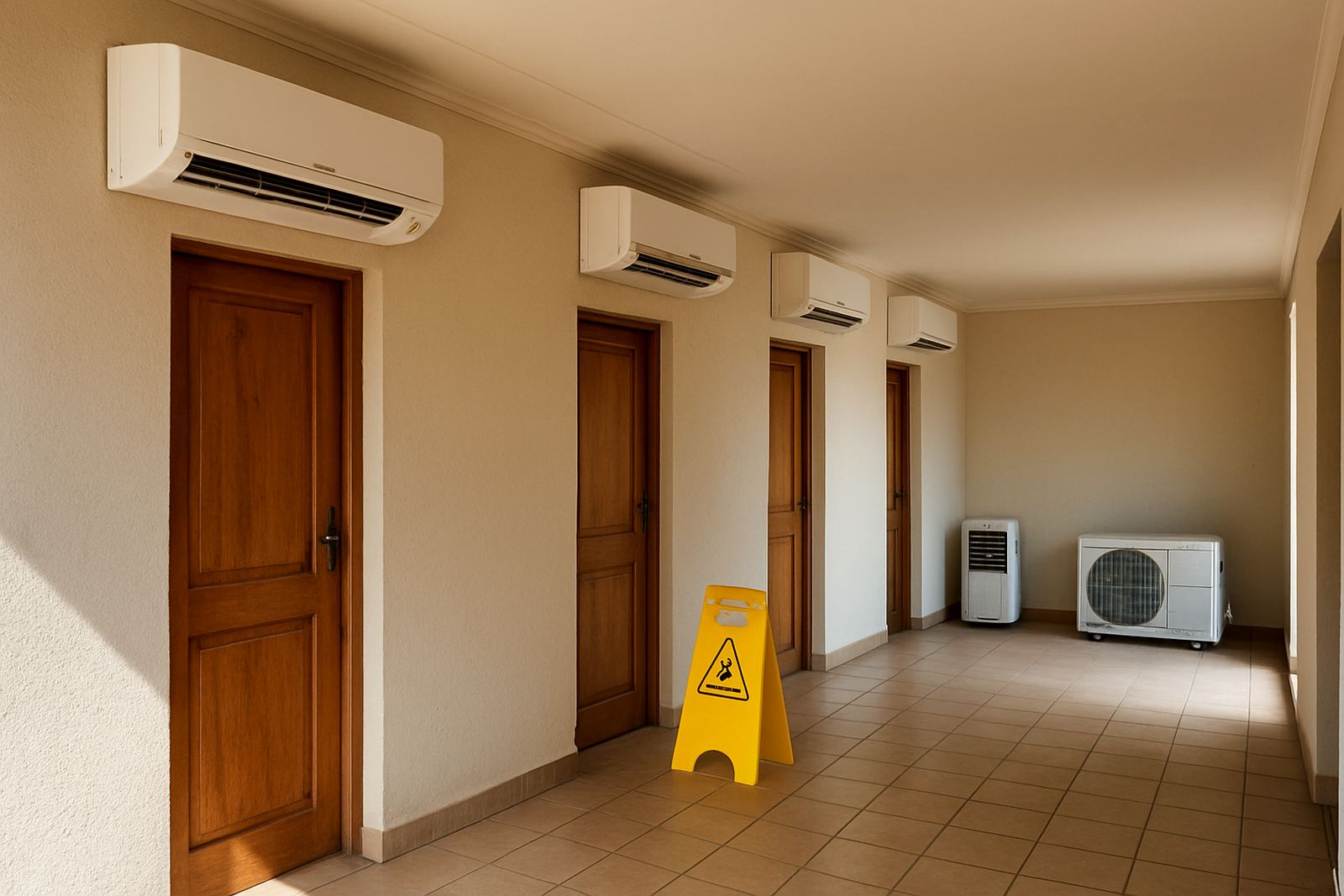
We supplied inverter wall split units for the key areas, with indoor heads selected for low noise and compact wall mounting. The units were matched to the room loads rather than only to floor area, which matters in an older house with thicker ceilings, sun-facing walls and uneven insulation. The aim was to get stable comfort without excessive electricity draw.
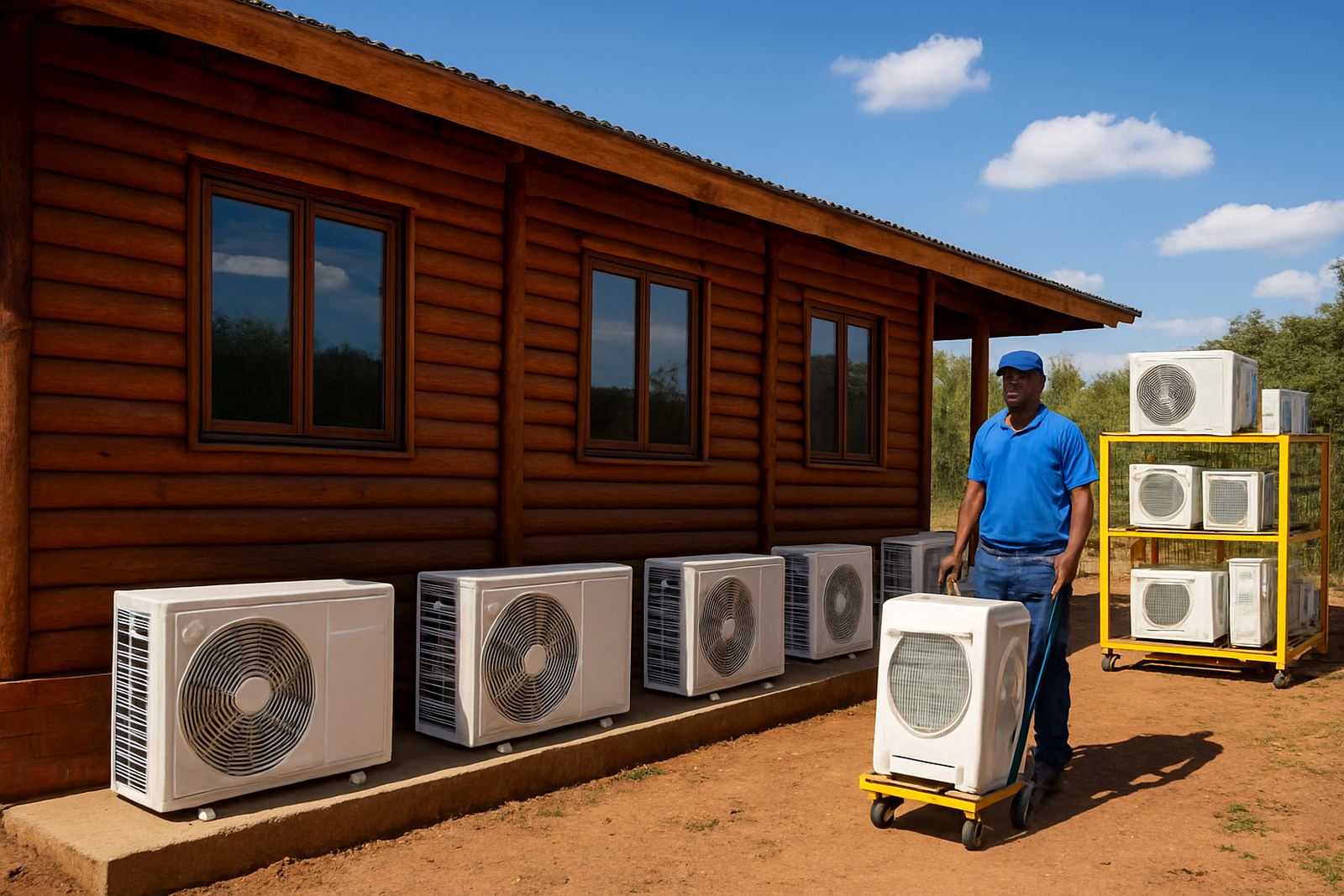
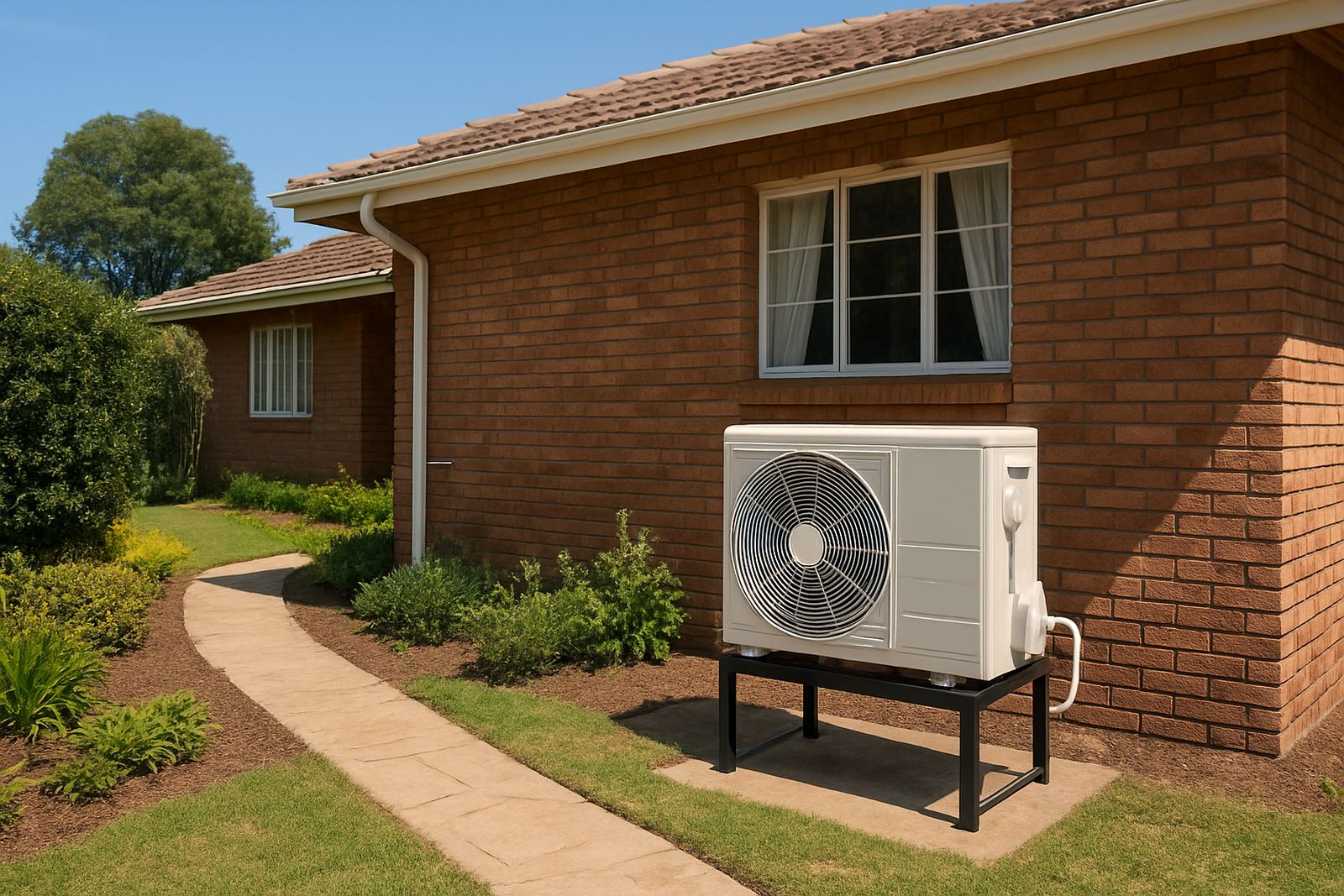
Key specifications included 9 000 BTU and 12 000 BTU wall split units, R32 refrigerant systems, inverter compressors, multi-speed fan control and remote temperature settings. Where the room load called for it, we allowed for a slightly higher capacity unit so the system would not fight the heat all afternoon. The outdoor units were placed where they would get proper ventilation and be easy to service later.
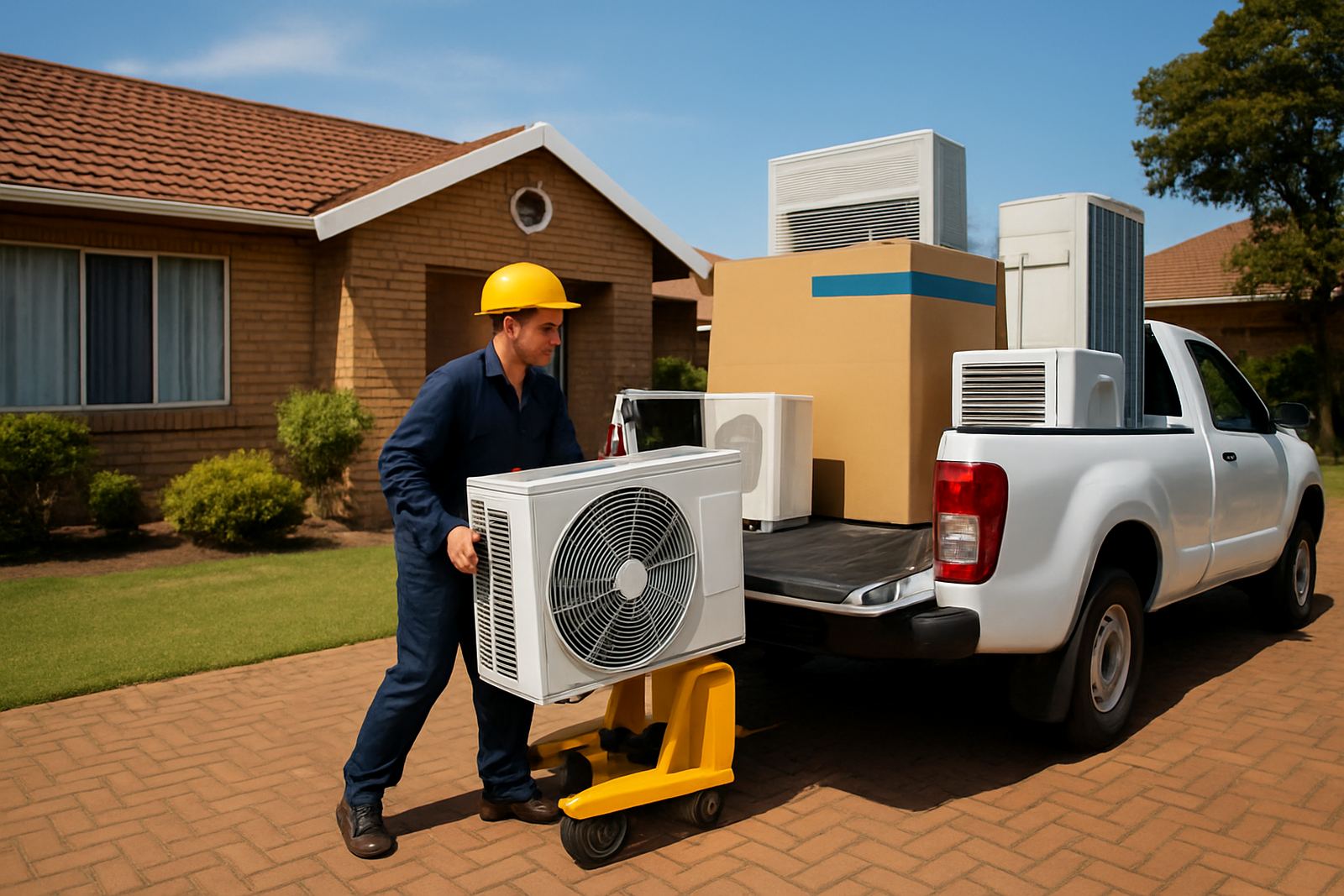
We also supplied all mounting brackets, copper pipe sets, lagging, drainage lines and electrical connection materials needed for a proper installation. Nothing was left to chance on site. The homeowner wanted a job that would last, not a patch-up that would need attention after one summer.
The installation work and how we handled the house
The installation took place over two working days, with the full project completed in one week once the assessment, supply and scheduling were tied together. That timeline allowed us to plan around family movement in the house and avoid unnecessary disruption. We first confirmed the mounting positions, then drilled and set the indoor units, followed by the outdoor units and all connecting services.
Because the home was occupied, the team protected floors, kept dust control tight and worked room by room. Thabo Mokoena supervised the install team on site and made sure the wall penetrations, drainage falls and line set bends were kept tidy. The pipe routes were kept as short as practical, with attention to service access for future maintenance. A careful hand was needed on one section of older brickwork, since the wall could have crumbled if rushed.
- Indoor units levelled for proper condensate drainage
- Outdoor units mounted for airflow and future access
- Electrical connections checked before commissioning
- System pressure tested and vacuumed before gas release
Commissioning, testing and handover
Once the physical installation was complete, we carried out system commissioning and tested each unit under cooling load. That meant checking pressures, refrigerant behaviour, drain flow, fan speeds and remote functions before handing the job over. In homes like this, a neat finish is only half the job, the system must also respond properly when the temperature climbs in the late afternoon.
We showed the homeowner how to set temperatures sensibly, use timer settings and keep filters clean between service visits. We also explained the best practice for load-shedding recovery, including giving the unit a short restart delay after power returns so it can stabilise cleanly. The family wanted practical advice more than theory, and that's exactly what we gave. Lerato Molefe kept the handover notes clear so future servicing would be straightforward.
Results in the rooms that mattered most
By the end of the week, the difference was immediate. The main bedrooms cooled down faster in the evening, the living area held a steadier temperature through the afternoon, and the indoor noise level dropped sharply compared with the previous setup. The owner also noticed that the inverter systems avoided the hard start-stop feel that older units often have, which made the home more comfortable during longer use.
From a practical point of view, the upgrade improved day-to-day living without forcing the family to rearrange their home around the equipment. The finishes stayed tidy, the outdoor units sat out of the way, and the controls were simple enough for everyone in the house to use. For a Barberton property, that combination matters because heat, humidity and power interruptions can quickly make the wrong system feel like a nuisance.
- Quieter operation in bedrooms and lounge areas
- Better cooling consistency during long hot spells
- Lower strain on the electrical system through inverter control
- Cleaner wall finish with minimal visible pipework
What we would do again on a similar home
If we were asked to do the same type of home again, we would start with the assessment exactly the same way. Older homes can hide problems behind neat paint, so the first visit is where the real planning happens. We would again size each room individually, choose quiet inverter wall splits and keep the pipe routes as direct as possible. That method keeps the job tidy and avoids unnecessary running costs later.
We would also keep the same approach to communication. One person on the phone, one person on site, and clear dates from the beginning. That keeps the job moving and helps the homeowner know what to expect. For a residential upgrade in Barberton, the best outcome is not only colder air, but a system that fits the house and the family routine without fuss.
Key facts
| Project location | Barberton, Mpumalanga |
|---|---|
| Client type | Private homeowner |
| Main equipment | Inverter wall split units |
| Unit capacities | 9 000 BTU and 12 000 BTU |
| Timeline | 1 week from assessment to handover |
| Services delivered | Site assessment, supply, installation, commissioning, handover |