Cooling lodges without upsetting the bush feel
In a lodge, cooling must do more than drop the temperature. Guests notice noise, airflow, where the unit sits, and whether the room still feels calm after sunset. In Mbombela, Hazyview, White River, Klerksdorp and Potchefstroom, the right setup also has to cope with summer heat, dust, humidity and the reality of load-shedding. That means matching each room to the correct unit size and putting the equipment where it will not fight the building layout.
We work with owners, managers and project teams on new builds, upgrades and replacements. The aim is simple: keep bedrooms comfortable, keep reception presentable, and avoid over-specifying equipment that costs more than it should. A small lodge might need just a few split units and one cassette in reception, while a larger property may need mixed systems across guest rooms, dining spaces and staff areas.
Typical equipment set for guest rooms and public spaces
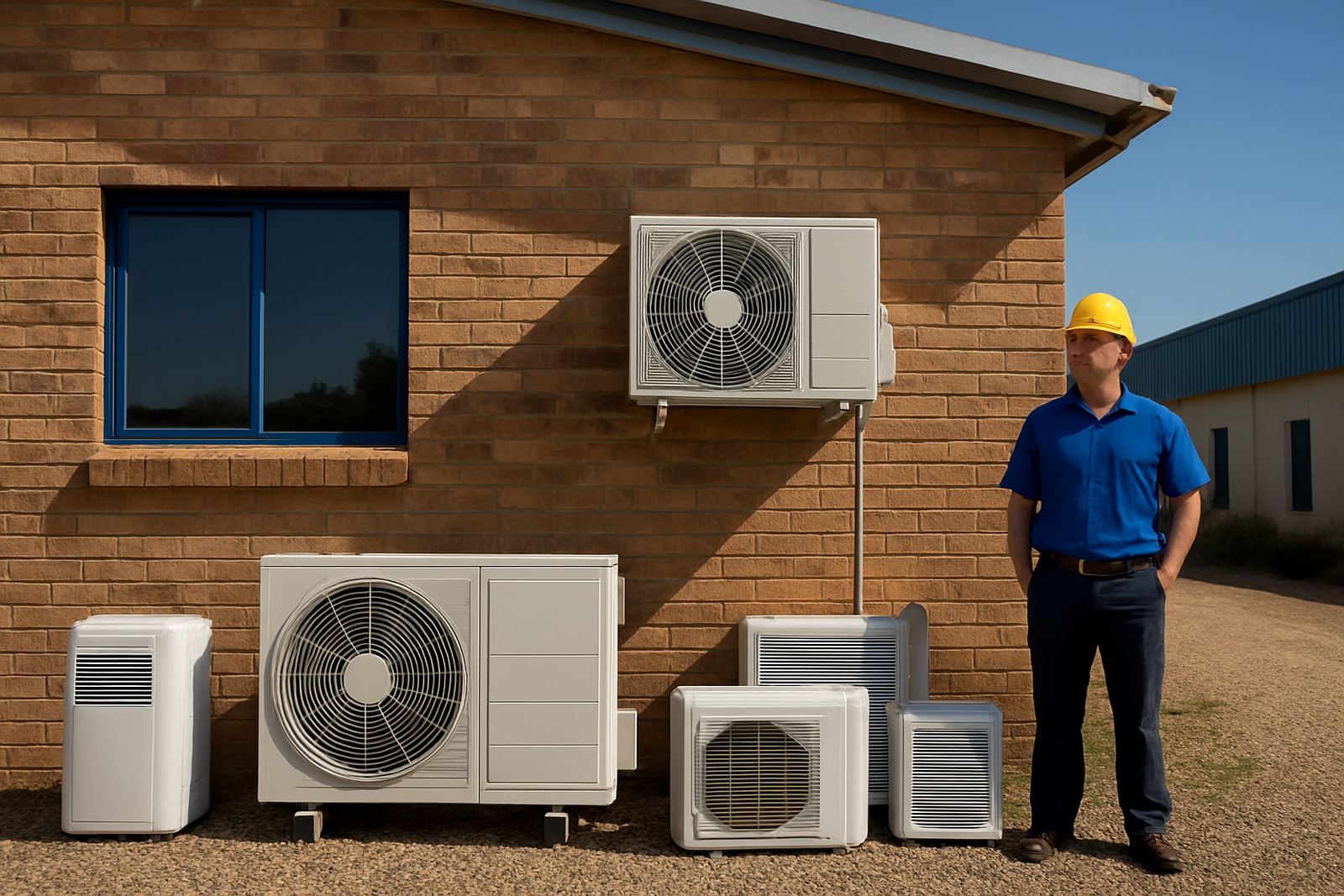
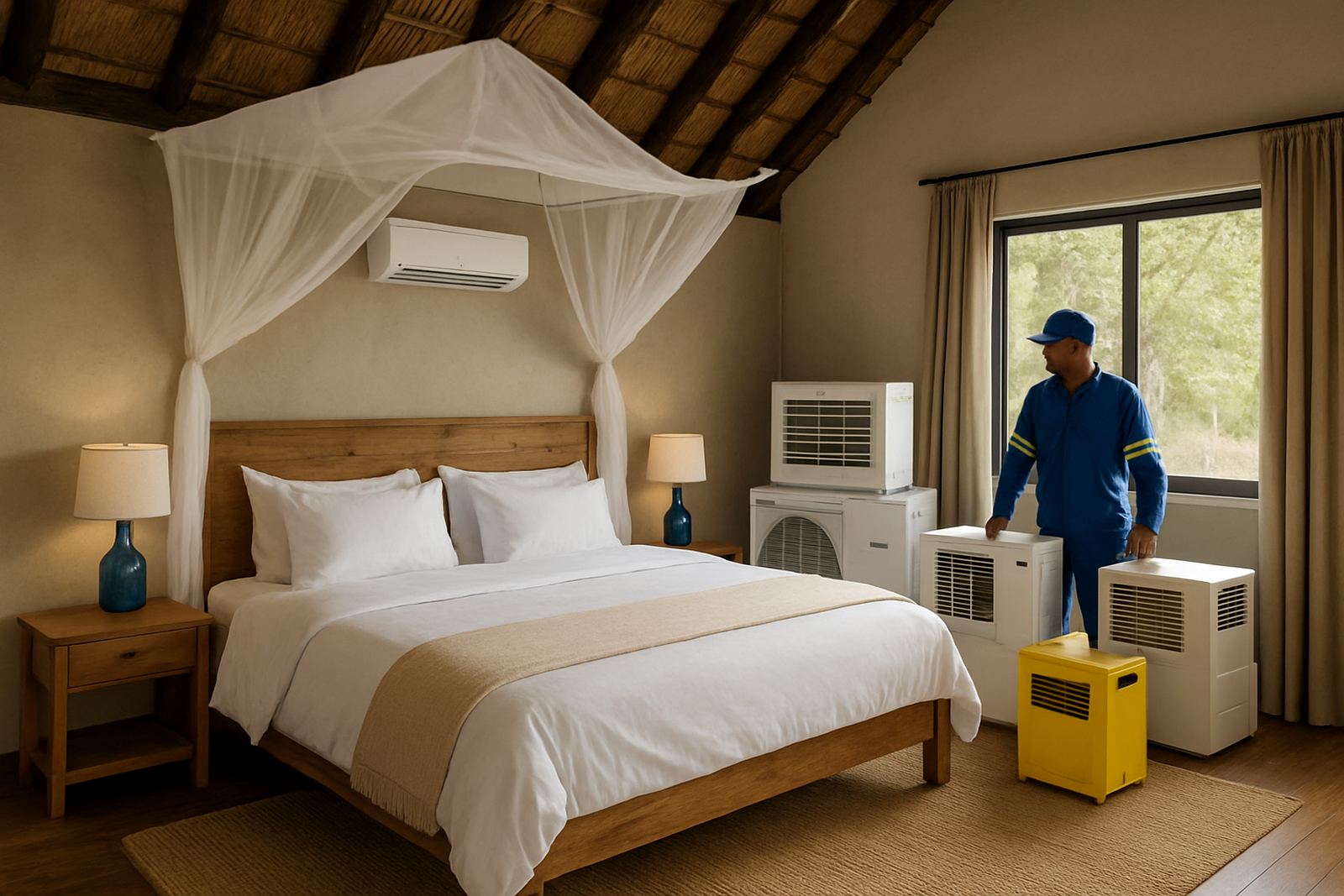
Most lodge projects use a mix of wall splits and cassettes, with portable units only where a fixed install is not practical. Wall splits suit standard guest rooms, small offices and back-of-house areas. Cassettes work well in open reception areas, breakfast rooms and conference rooms because they spread air more evenly. Portable units can help with temporary rooms, overflow accommodation or short-term use while renovations are still going on.
- Wall split units for bedrooms, manager offices and housekeeping rooms
- Cassette units for reception, dining and lounge areas
- Portable units for temporary guest rooms or seasonal use
- Accessories, isolators and drainage items for proper fitment
For lodges near the Lowveld and bushveld, we often look at inverter options where the budget allows. They use power more sensibly, which helps when guests are in and out of rooms and the system does not need to run flat out all day. In North West locations, where rooms may be more exposed to afternoon sun, we also pay attention to insulation, roof heat and the direction each room faces.
How to plan around room types, roofs and guest flow
The best lodge installations start with a site assessment, not a guess. Room size matters, but so do ceiling height, glass area, thatch or tiled roof construction, and whether the room opens straight onto the sun side. A bedroom facing west in Rustenburg will often need a different capacity from a shaded room in White River even if the floor area is the same. Reception spaces need special care too, because doors open often and people move in and out all day.
Planning also needs to respect service access. If a unit is boxed in above a ceiling or hidden in a tight nook, the next service becomes difficult and more expensive. We look at where condensate will drain, where the outdoor unit can sit without disturbing guests, and how far the pipe runs need to travel. Good planning saves money later and reduces call-backs when the first busy season starts.
- Measure each room separately instead of using one size for the whole lodge
- Check roof type, insulation and sun exposure before selecting units
- Allow proper clearance around outdoor units for airflow and servicing
- Plan drainage so water does not drip onto paths, decks or timber finishes
Common mistakes that cost lodges time and money
One common mistake is fitting a unit that is too small for the room. It runs for long hours, struggles in peak heat, and still leaves guests uncomfortable. The other mistake is going too big. That can cause short cycling, higher noise and poor humidity control, which is a problem in the Lowveld where damp air can make a room feel sticky even if the temperature is down.
Another issue is poor positioning. A wall split blowing straight onto the bed is a quick way to get complaints. A cassette placed without checking ceiling space can cause maintenance headaches later. We also see systems installed with weak electrical supply or no proper commissioning, which can lead to avoidable faults once the lodge is full. A clean install with correct gas levels, tested drainage and proper controls is far better than rushing the job.
For lodges on farms or in smaller town centres, dust and insects can also affect performance. Filters need routine cleaning and outdoor units should be placed where they are protected but still get air flow. It sounds basic, but many service issues start with the site conditions rather than the machine itself.
Budget ranges for lodge aircon projects
Budgets depend on room count, unit type, pipe lengths and electrical work. A small guest room with a standard wall split will sit at one level, while a reception or dining area with a cassette and longer install work will sit higher. If the lodge needs multiple rooms done at once, we can stage the work so the site stays open where possible. That helps with cash flow and reduces disruption during peak booking periods.
As a practical guide, a basic wall split supply and install for a lodge room may start from about R8 500 to R15 000 per room, depending on size and site conditions. Larger wall splits, longer pipe runs or more difficult access can move higher. Cassette projects often start from about R16 000 to R30 000 plus installation extras, while portable units are the lower entry option for short-term use. Scheduled servicing, deep cleaning and gas top-ups are quoted according to unit count and condition, not by guess work.
When comparing quotes, ask what is included. A lower number may leave out brackets, copper, drainage work, electrical connection or commissioning. That can turn into extra cost later and the final figure ends up higher anyway.
Service support for busy lodge operations
Lodges cannot afford repeated breakdowns during holidays, long weekends or the middle of summer. Our service cover includes scheduled servicing, fault finding, gas top-ups, deep cleaning and replacement units where a repair no longer makes sense. We also handle commissioning on new installs so the system is checked properly before guests start using the rooms.
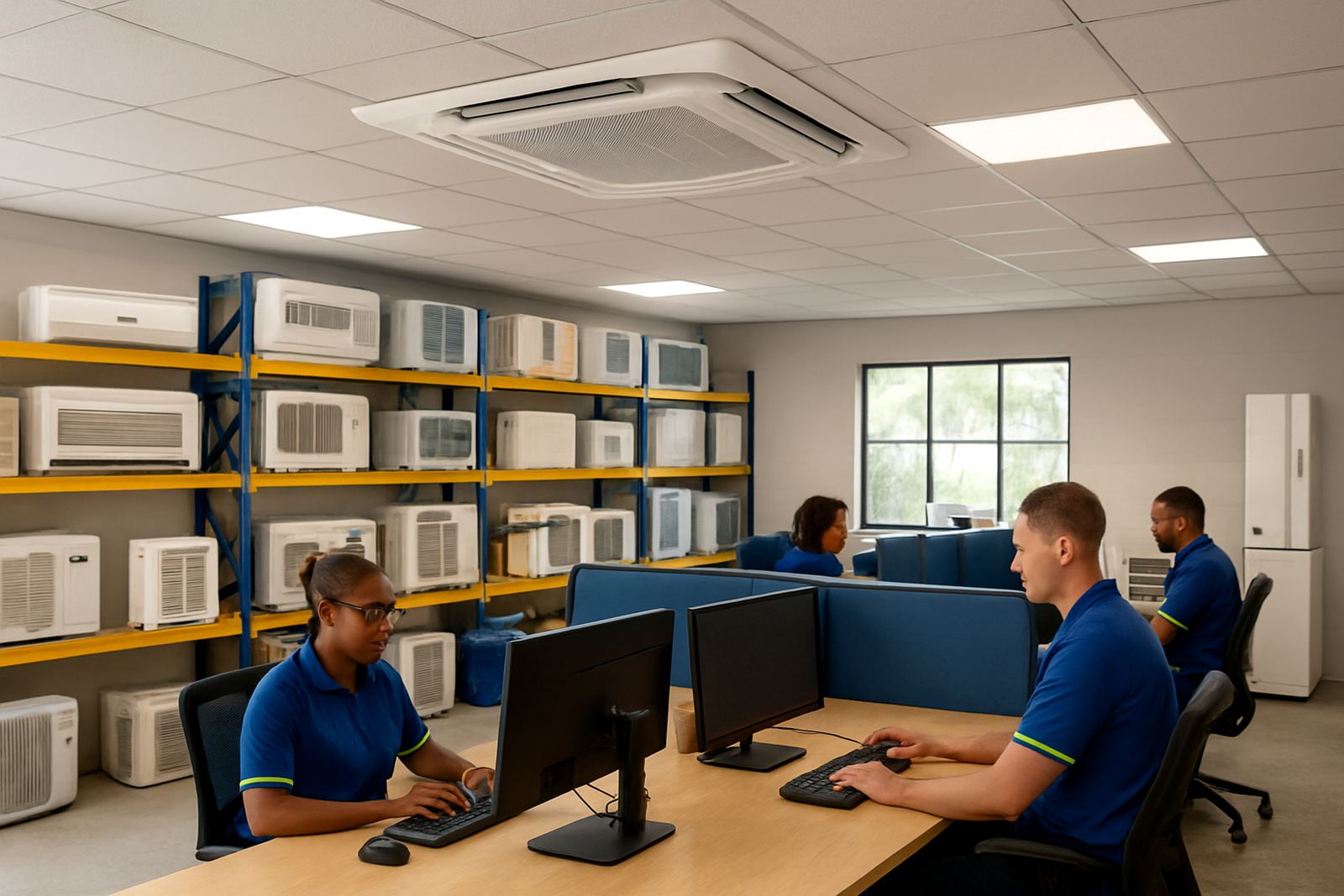
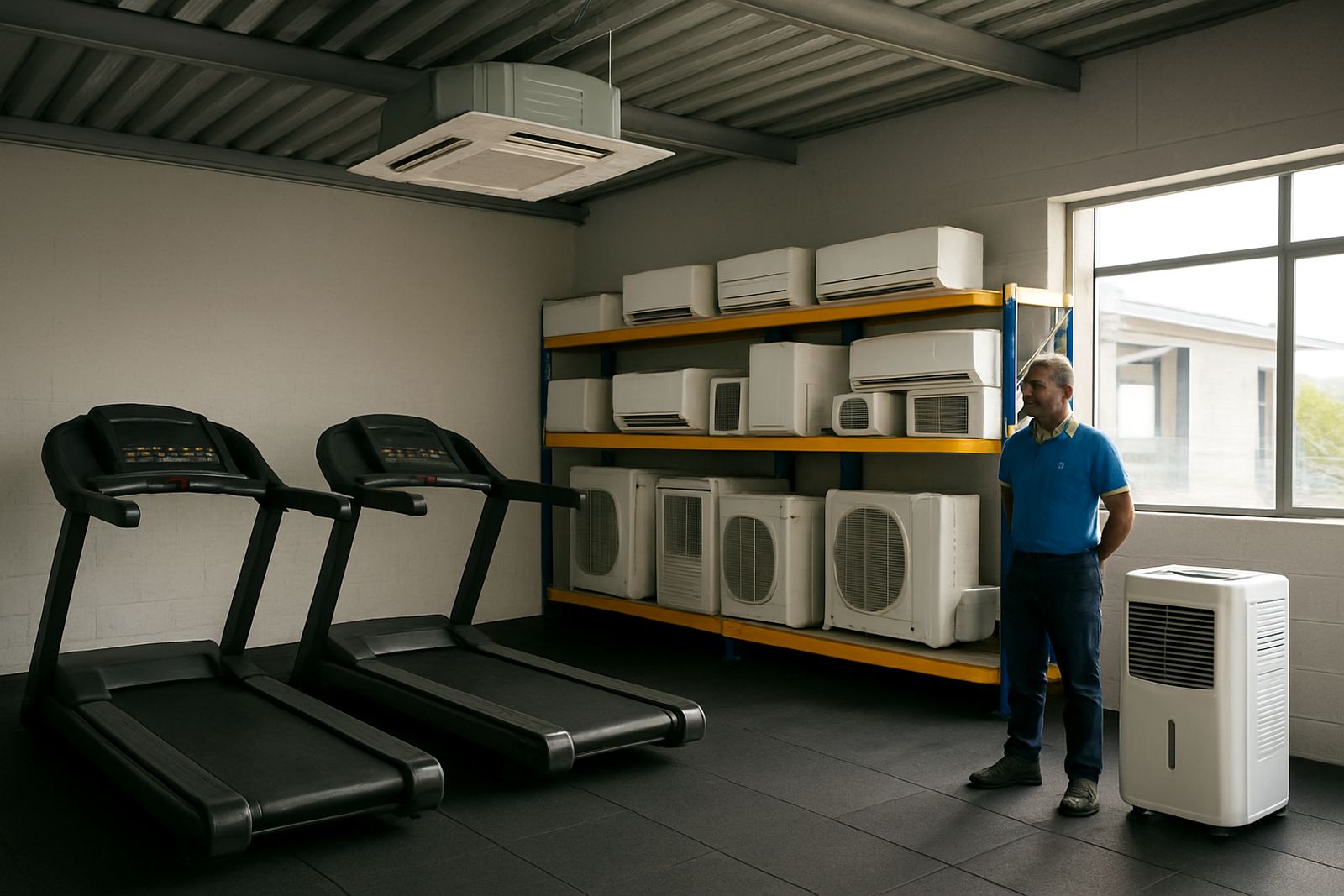
From Mbombela and White River through Hazyview, and across to Klerksdorp, Potchefstroom and Rustenburg, we support lodge owners who need practical turnaround times and clear communication. Our warehouse team, led by Johan Steyn, works with the installations side under Thabo Mokoena so supply and fitment stay aligned. For account queries and planning support, Annelie van Wyk, Lerato Molefe and Nokuthula Dlamini keep the project moving and the paperwork in order.
Whether it is a small bush lodge, a reception block or a compact hospitality building, the goal is the same: the rooms must stay comfortable, the equipment must suit the site, and the system should be easy to service when the season gets busy.